Acapulco Tourism Dream Collides with Cartels, Storms, Fear, and Silence
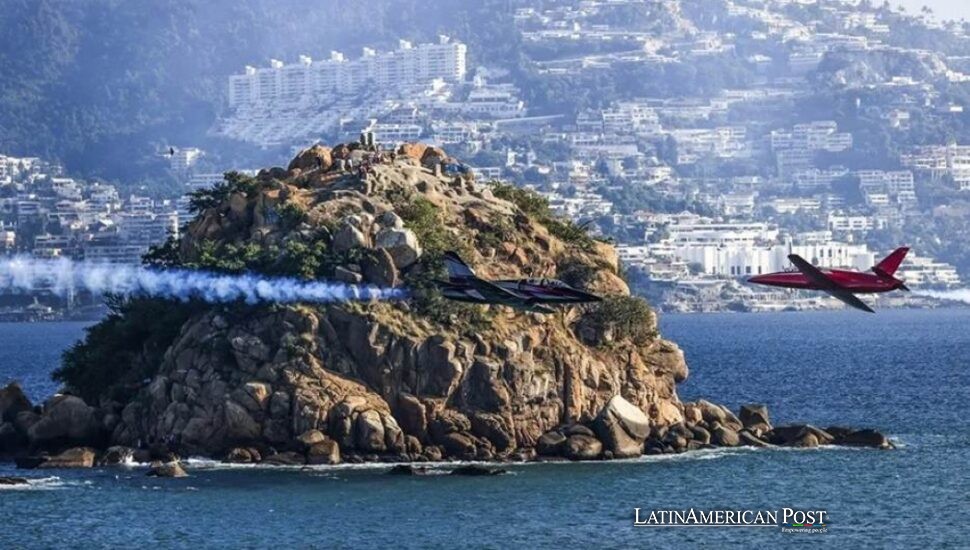
Acapulco still sells the shimmer of Mexico’s Pacific coast, but beneath the postcard skyline, hurricanes, extortion and political dynasties have hollowed out daily life, leaving workers, writers and businesses to measure survival in routes canceled, shops closed and memories fading.
A Paradise Rewritten by Fear
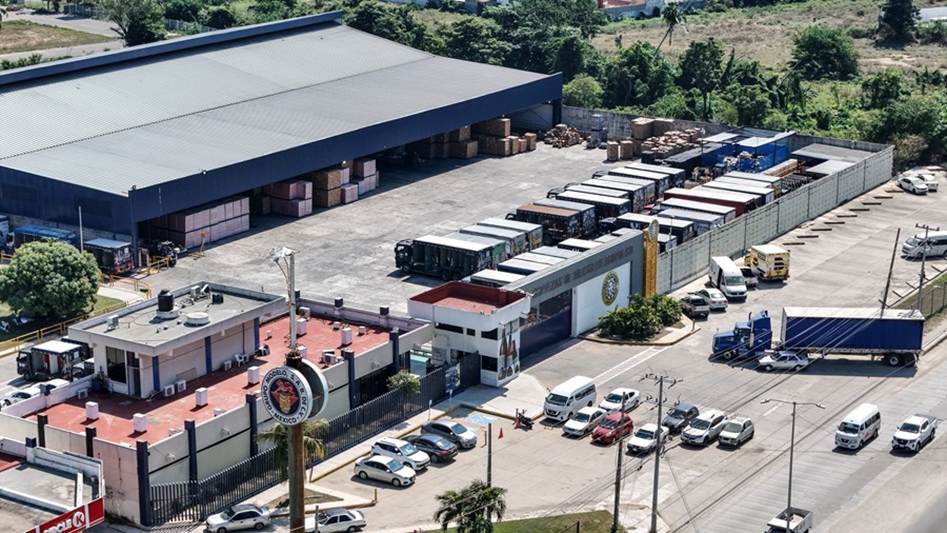
Delivery trucks did not move. Beer, soda, water and packaged food sat behind gates while neighborhoods waited. EFE found fleets parked at distribution centers after gunmen killed two workers and critically wounded another in coordinated afternoon attacks.
One victim drove for Grupo Modelo near Costera Miguel Alemán, Acapulco’s hotel-lined public face. Minutes later, a Sigma Alimentos employee was shot in the head. Then a Coca-Cola promoter was killed inside a company vehicle.
The next day, major companies stayed off the streets. Coca-Cola halted work indefinitely. Sigma stopped in solidarity. Pepsi and Grupo Modelo kept only administrative, maintenance, and warehouse staff. Bonafont sent out 10 of 35 routes, under 29 percent, mostly to supermarkets.
That arithmetic matters. When 25 water routes vanish, violence reaches the corner store, the restaurant refrigerator and the household wondering whether bottled water will arrive. Armed groups need not occupy city hall to govern daily life. They can govern movement.
Writer Brenda Ríos has watched that authority spread across her hometown for decades. “It is sad because they take your city away from you,” she told EFE in Mexico City, where she joined what she calls Acapulco’s “voluntary exodus.”
Her chronicle collection, “Sweet Acapulco,” took more than 10 years to write. Its title tastes bittersweet. Ríos calls the million-plus city a “dystopian western” in her EFE interview, a Quentin Tarantino film with Frank Sinatra underneath.
The image is theatrical. The numbers are not. Fifty-two percent of residents live in poverty, meaning well over half a million people inhabit the same tourism capital without sharing its advertised abundance.
When Falling Homicides Still Feel Unsafe
Official statistics offer another frame. Federal authorities said Acapulco homicides fell 50.1 percent in December 2024, among the year’s least violent months. Nationally, intentional homicides dropped 16.3 percent during Claudia Sheinbaum’s first presidential quarter.
Those declines are significant. They are also incomplete.
A homicide count measures bodies, not fear’s wider territory. It misses the taxi driver refusing a route, the extorted shopkeeper, the threatened teacher and the company fencing in its fleet. Targeted killings can paralyze commerce even when the monthly total falls.
That is Acapulco’s central contradiction. It can become statistically safer while workers experience it as less governable. Prosecutors opened investigations and local authorities announced more patrols. Companies responded more quickly. They trusted stillness.
Ríos told EFE that teachers, taxi drivers and bus operators are among the few with steady employment, “yet they are also threatened.” A job is not security. A delivery route can become a sentence.
Nearly 20 criminal organizations dispute Guerrero’s seven regions. The Jalisco New Generation Cartel and La Familia Michoacana operate internationally. Los Ardillos and Los Tlacos grew locally. Their reach extends from poppy fields to lemons and meat, while extortion decides who opens, delivers, or leaves.
“Acapulco is a lawless place, but the irony is that it is overpoliticized,” she told EFE. “It is a western where there are no good guys or bad guys. Everyone is against everyone, and in the middle is the working class trying to survive.”
Her point is not that politics vanished, but that it became dense without becoming protective. The Salgado, Aguirre and Figueroa dynasties kept influence across party transitions. Electoral labels changed. Local hierarchies endured.
The Glamour Never Traveled Downhill
To recover Acapulco’s old glow, Ríos visits Hotel Los Flamingos. In the 1950s, it drew John Wayne, Roy Rogers and Sinatra. Its oldest waiters, she told EFE, remember dollar tips, excess and parties that seemed to touch everyone.
But memory can flatter an unequal past. Ríos argues that every tourist paradise carries a history of ejido land dispossession, and Acapulco is no exception. The coastline became a commodity. The laboring city grew behind it.
By the 1990s, magazines displayed luxury hotels, celebrity mansions and NAFTA’s promises. Luis Miguel and Plácido Domingo symbolized a resort plugged into global wealth. Yet, Ríos told EFE, “the money does not circulate downward.”
That sentence explains the city’s architecture. Acapulco produced spectacle without redistribution. Tourism created islands of consumption, while 52 percent poverty shows how little value became household security or trustworthy institutions.
Then came Hurricane Otis, not as the beginning but an accelerant. It erased hotels, restaurants and businesses already exposed to extortion and weak governance. A storm destroys walls in hours. Criminal taxation can keep them down.
Ríos has watched property itself lose meaning. Ownership becomes conditional when a cartel demands payment, a hurricane strips a building, and political power guarantees neither reconstruction nor justice. Patrimony becomes less an asset than a wager.
She remains skeptical that recovery will arrive within her lifetime. Acapulco, she told EFE, has supposedly been “getting back on its feet since the 1980s.”
Still, people report to warehouses. Waiters preserve stories. Families remain in hillside neighborhoods above the bay. The city survives. What has vanished is the promise that paradise would protect those who built it.
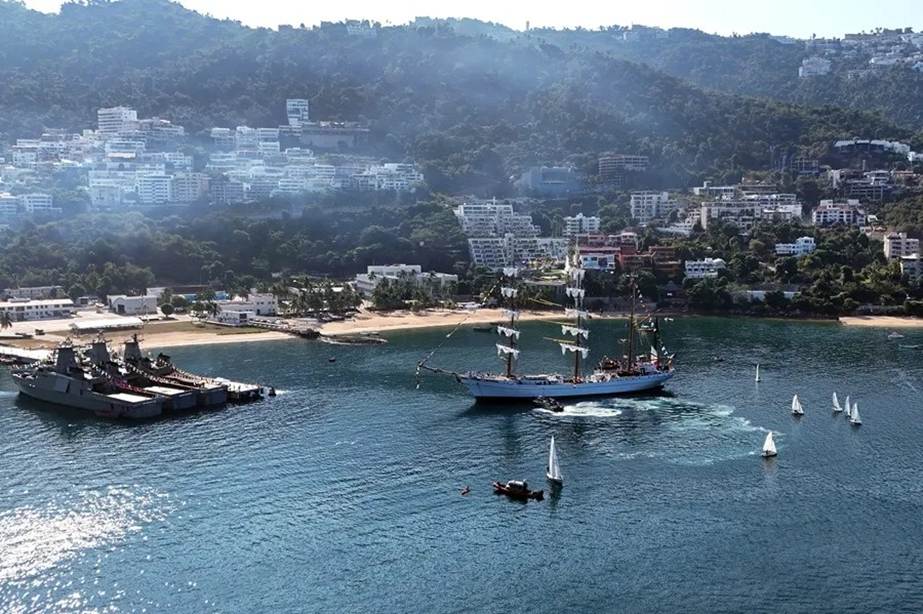
On the Costera, hotels still face the Pacific. Behind gates, trucks wait. Between those images sits modern Acapulco, beautiful, overexposed, and held hostage by forces that learned to make even water afraid to travel.
Also Read: Venezuela Rebuilds After Earthquakes While Concrete Becomes the New Currency