Cuba Blackouts Turn Havana Beaches Into the Summer’s Last Resort
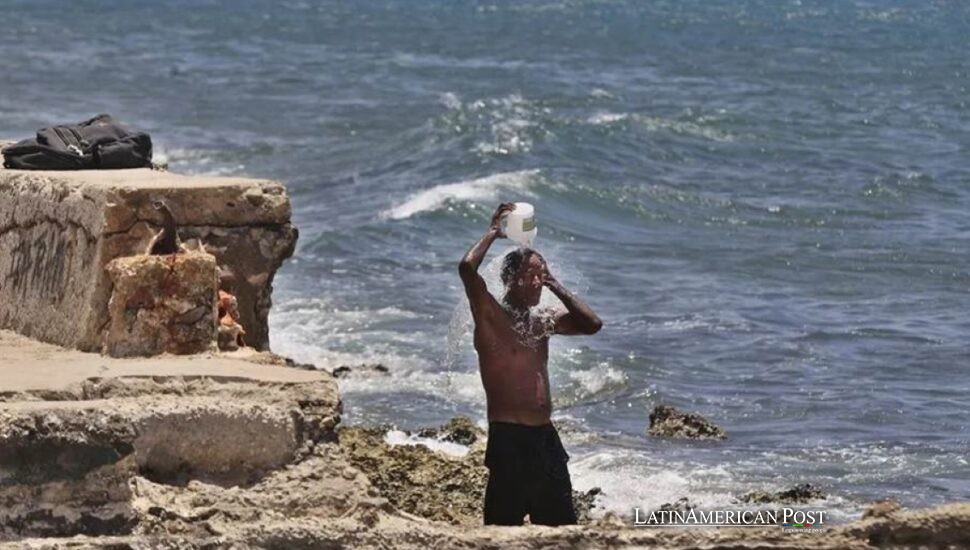
Under punishing heat and near-total blackouts, Cuba’s families are reclaiming Havana’s rocky shoreline as a fragile summer refuge, where salt water, portable batteries and stubborn celebration collide with shortages, collapsing tourism and the daily arithmetic of survival across the island.
The Beach Becomes a Backup Plan
HAVANA, Cuba. Summer arrives less like a season than a test. Heat settles inside apartments where fans and refrigerators are stilled by blackouts lasting more than 20 hours. Buses have nearly disappeared. Food prices rise. Even pleasure requires planning.
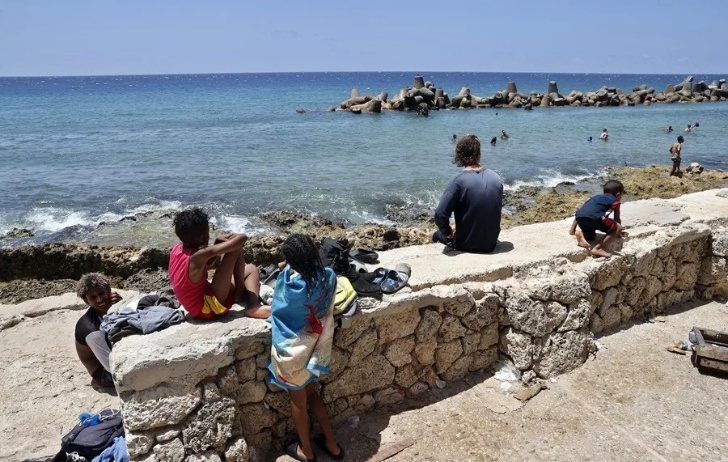
Families move west toward Havana’s rough edges, where the sea remains reachable on foot. The Playa coast is no postcard Caribbean, much of it reef, rock and improvised access. Yet proximity is luxury now. No fare. No fuel. No timetable to fail.
Tailuma Chuy, 35, sat there one afternoon, exhausted but unwilling to surrender the day.
“There are very few options, but what are we going to do?” she told EFE. “We cannot go anywhere else. We have to stay here until there is a change.”
She added that “Cubans like to party,” defending normal life. Following the 2026 World Cup takes household engineering. Chuy powers the television with an EcoFlow station, or checks scores online, “whoever has mobile data,” she told EFE.
That detail reveals the new order. A battery brand becomes infrastructure. Mobile data becomes a public square. A reef becomes a summer club. The state once organized leisure through subsidized transport. Families now assemble private survival systems from whatever remains charged, walkable, or free.
Salt Water Stands In for Medicine
For Arturo Acosta, water offers more than distraction. The 60-year-old walks more than nine miles from Old Havana to Playita de 16 in Miramar, hoping salt water will ease a foot ulcer.
“I do not have money to pay for medicine,” Acosta told EFE. Then came a furious inventory. “We have no electricity, no light, no water. We have nothing.”
His route maps the crisis, from the worn historic center to western Havana, long associated with embassies, hotels and privilege. Even there, the sea serves as a clinic of last resort.
Cuba’s energy crisis, worsening since mid-2024, has deepened under U.S. oil restrictions imposed in January and tougher May sanctions that deter foreign companies and squeeze fuel access. Garbage piles up. Hospitals offer minimal services. Informal markets set unaffordable prices for food and medicine.
Arguments over responsibility divide sharply between Washington’s pressure and Havana’s failures, but households experience the breakdown as subtraction. One service disappears, then another. A portable battery replaces the grid. A relative replaces public transportation. The ocean replaces a pharmacy.
Outside Havana, the margin is thinner. Blackouts have reached 72 consecutive hours in parts of Cuba, EFE reported. Delcy Linares, from Las Tunas, came to the capital with her family for medical reasons and sought cheap ways to give her children a summer.
“So far, it has mostly been the beach,” Linares told EFE outside the National Aquarium of Cuba. “We are beginning to explore the other things Havana offers because we are not from here.”
She and her husband explained the purpose together. “We are trying to let the children enjoy themselves and see things that cannot be seen over there, because in the east there is not much,” they told EFE.
That phrase carries an old Cuban imbalance. Havana concentrates institutions, specialized care and visible culture. The eastern provinces, central to revolutionary history and migration, face shortages with fewer alternatives. An aquarium visit becomes evidence of regional inequality.
Like many Latin American capitals, Havana has long absorbed resources, services and political attention from the provinces. In Cuba, however, the centralized economy makes that imbalance especially punishing when fuel, medicine and transportation all contract at once.
Empty Hotels Face Crowded Rocks
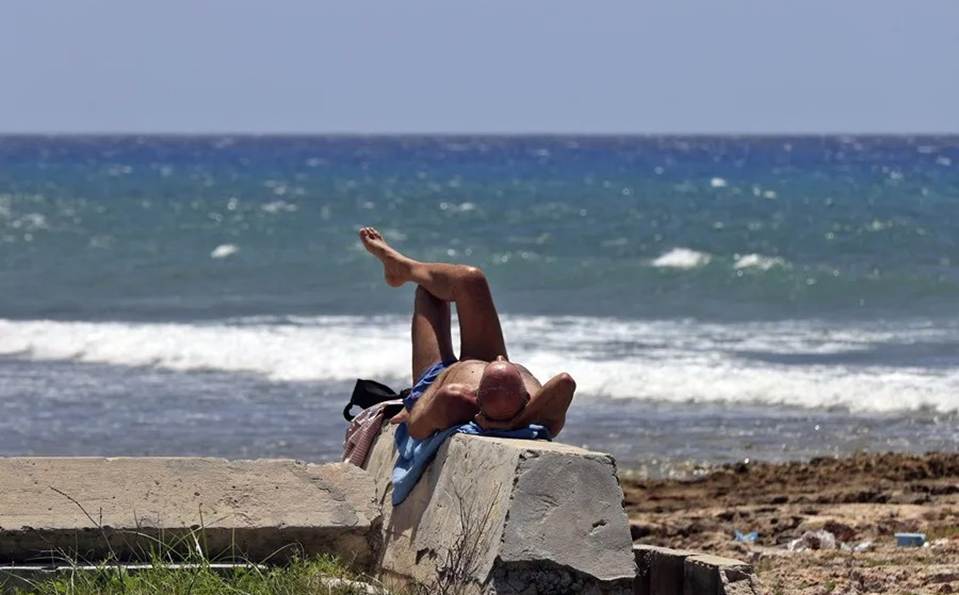
Western Havana compresses the crisis into one view. Local families crowd accessible rocks while nearby hotels sit largely empty. Restaurants and rental homes remain, but foreign visitors are increasingly absent.
From January through May 2026, Cuba received 359,491 international tourists, official figures show, 58 percent fewer than in the same period of 2025. That earlier year was already the weakest non-pandemic showing in more than two decades. The comparison implies roughly 856,000 visitors in those five months last year. Cuba therefore lost close to half a million arrivals in only one year.
Tourism is one of Cuba’s three largest sources of foreign currency, so the decline reaches far beyond hotel lobbies. It means fewer dollars and euros for fuel, food, parts and medicine. Fuel shortages reduce flights. Sanctions threats have driven foreign hotel groups, including Meliá, Iberostar, Blue Diamond and Archipelago International, to retreat.
The inversion is cruel. Cuba retains the beaches, climate and culture on which tourism was built. It lacks the functioning system needed to bring visitors in and turn arrivals into broad public relief.
Yet the shoreline stays busy, not with tourists but residents carrying towels, plastic bottles and the practiced knowledge of making an afternoon from almost nothing. Children splash while adults calculate the walk home, the phone charge, the next blackout, dinner.
For a few hours, the sea interrupts that arithmetic. It does not solve the crisis. It cools the body, softens an ulcer, distracts a child and carries a football score through conversation. In Cuba today, that is not escape. It is endurance with salt on its skin.
Also Read: Latin America Turns Football Jerseys Into Political Statements Worn in Public