Nicaragua Buries the Ballot and Deepens Its Dangerous Geopolitical Isolation
Daniel Ortega’s declaration that Nicaragua will hold no more competitive elections transforms authoritarian drift into permanent rule, threatening the country’s economy, deepening regional instability, and binding national sovereignty to a brittle family regime increasingly sustained by repression and foreign patrons.
A Revolution Against Its Own Promise
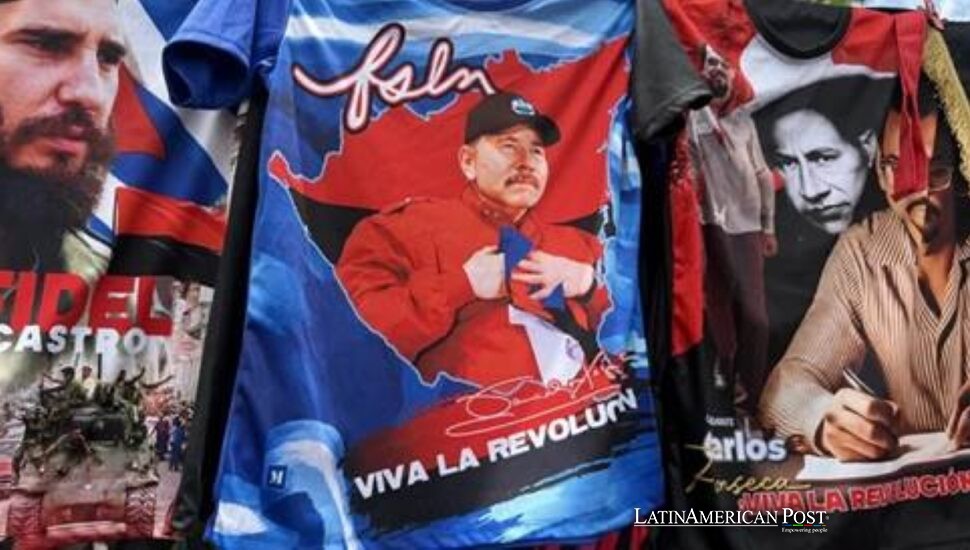
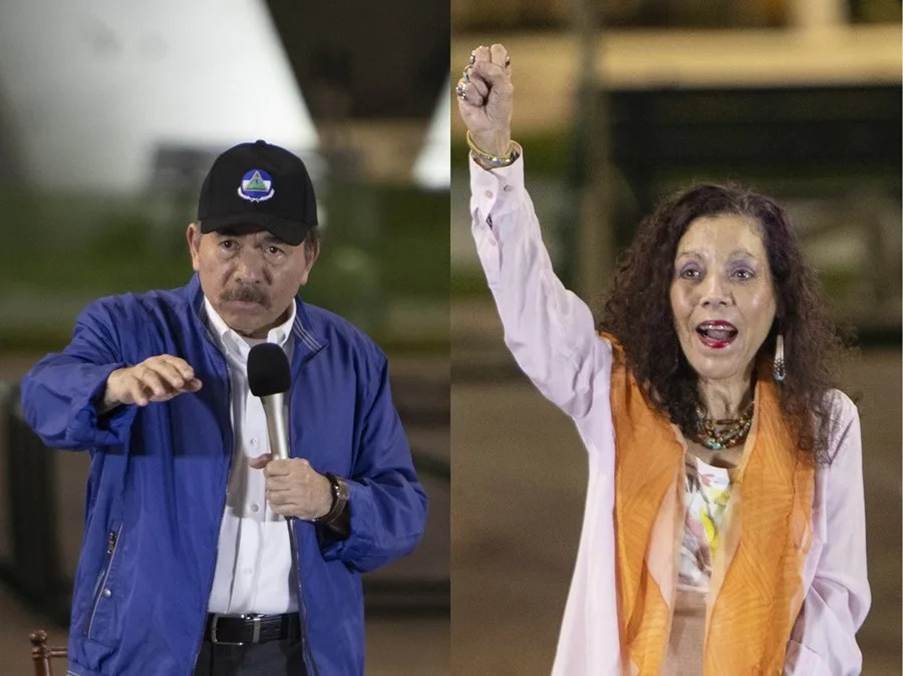
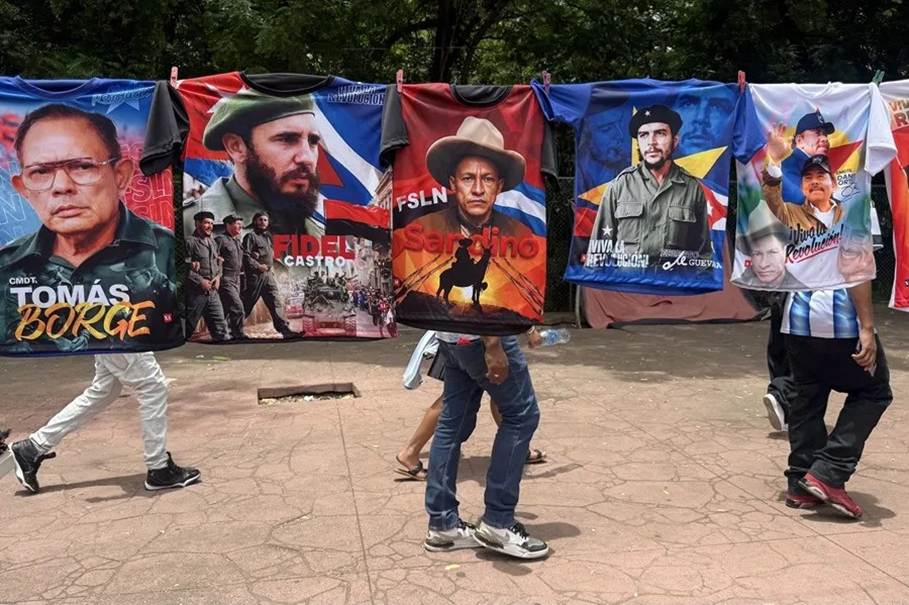
At the rally marking 47 years since the Sandinista Revolution, people passed T-shirts printed with Latin America’s leftist icons. Onstage, Daniel Ortega used the anniversary of one dictatorship’s defeat to announce something familiar.
“There will never again be elections here,” Ortega said in remarks reported by EFE, making clear that no vote would be allowed to threaten the government he shares with his wife, Rosario Murillo. The sentence was short. Its shadow was not. It turned years of manipulated competition into a doctrine of permanent power.
The historical inversion is brutal. The 1979 revolution toppled Anastasio Somoza Debayle, the last ruler of a family dynasty that treated the state as property. Ortega, once a guerrilla in that struggle, is now 80 and has governed continuously since 2007. Murillo became “co-president” through a constitutional overhaul in February 2025, not a separate popular mandate.
That reform changed more than 90 percent of the Constitution, according to United Nations experts. It lengthened the presidential term, subordinated institutions once described as separate powers and widened the machinery used to strip critics of nationality. The state no longer checks the presidency. It radiates from it.
Ortega said his government would build a legal “wall” against opponents he called coup plotters and traitors financed by Washington. The language places disagreement outside citizenship itself. A teacher, priest, journalist or student does not merely oppose the government. Under this logic, that person becomes an instrument of a foreign enemy.
This is how a ballot disappears before the polling station does. Rivals are jailed or exiled. Parties are emptied. Institutions are renamed. Finally, the ruler declares alternation treason. Elections cease to be a public right and become a security threat.
Sovereignty With an American Lifeline
Ortega presents this closure as national defense, yet Nicaragua’s economy exposes the hollowness of that claim. Bilateral goods trade with the United States reached an estimated $7.4 billion in 2025, including $5 billion in Nicaraguan exports. A government may denounce “Yankees” from a platform, but factory workers, coffee growers and exporters remain inside that relationship.
The economy has not collapsed, and authoritarian systems often survive by pointing to stability. The International Monetary Fund projected 3.4 percent growth for 2026 and noted low inflation, strong reserves and robust remittances. It also warned that tighter U.S. trade and immigration policies, broader sanctions, weak rule of law and uncertain property rights could drag on investment.
The regime’s political strategy therefore increases the geopolitical exposure it claims to resist. Ending electoral competition invites harsher sanctions and trade pressure. Those measures rarely land only on presidential circles. They filter into payrolls, credit, machinery and household prices. The leadership gains an enemy for its speeches. The country absorbs the bill.
Remittances soften that bill, but carry an intimate cost. Money arrives because people left. Since 2018, more than 300,000 Nicaraguans have sought asylum in Costa Rica, according to the U.N. refugee agency. Each transfer home may feed a family while recording the departure of a nurse, mechanic, student or shop owner.
This outward flow is geopolitical. Costa Rica must expand asylum services, schools and clinics. Nicaragua loses working-age citizens while becoming more dependent on the dollars they earn abroad. Repression, migration and remittances form a circuit that can keep the economy breathing while weakening the country underneath.
A Family State Becomes a Regional Risk
Ortega also used the anniversary speech to defend deposed Venezuelan leader Nicolás Maduro, captured by U.S. forces in Caracas in January and taken to New York to face federal charges. Ortega called the operation a monstrosity, according to EFE. The intervention raised serious questions about sovereignty, but Ortega turns that concern into a shield against domestic accountability.
That is the trap. Washington’s coercive actions give Managua propaganda, while Managua’s repression gives Washington justification for pressure. Nicaraguans are squeezed between political languages that treat their country as terrain. One invokes anti-imperialism while abolishing the vote. The other invokes democracy while showing that military power can redraw a neighboring government.
The likely result is deeper alignment with China, Russia, Cuba and Venezuela’s remaining ruling apparatus. Nicaragua upgraded relations with Beijing in 2023 while seeking support amid Western sanctions. Yet those partners cannot easily replace the U.S. market, diaspora remittances or Central American geography. Alignment may protect the ruling family while narrowing the nation’s room to maneuver.
There is another danger, quieter and closer. Elections are also mechanisms for succession. By eliminating them, an aging leader and his unelected co-president make the transfer of power opaque. When rules disappear, rivalries move behind palace doors, through security institutions and family networks. Stability becomes personal, therefore temporary.
On Managua’s anniversary stage, the revolution was celebrated as memory while its central promise was sealed off. Nicaragua is not becoming more sovereign by denying citizens a choice. It is becoming more dependent, isolated and vulnerable to outsiders.
The ballot was imperfect long before Ortega buried it. Still, it offered a door. Now the government is bricking that door shut and asking the country to call the wall freedom.
Also Read: Colombian Death Exposes ICE’s Dangerous Gap Between Enforcement and Justice