Venezuela Earthquake Pets Wait Behind Bars for Families to Return
Two months after earthquakes killed more than 6,500 people, 700 dogs and cats remain sheltered in La Guaira. Their wounds reveal a neglected frontier of disaster recovery, where grief, disease, overcrowding, and uncertain reunions continue long after rescue crews depart.
The Quiet Aftershock
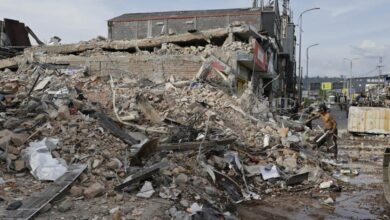
The cages in La Guaira hold a disaster that does not appear on seismic maps. Cats press themselves into corners. Dogs startle at sudden sounds. Some arrived dehydrated, limping, or visibly stunned after rescuers pulled them from ruins left by the magnitude 7.2 and 7.5 earthquakes of June 24.
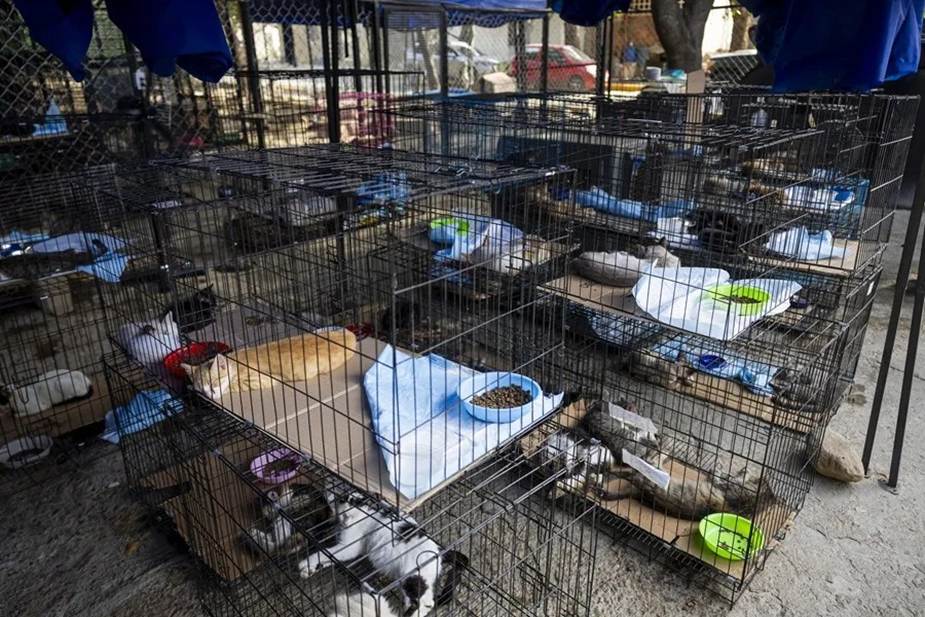
More than 700 pets remain under protection, according to Angelymar Luis, who oversees the local shelter operated by the state-run Misión Nevado. She said the shelter has adults and puppies, dogs and cats. New cages have been added, with animals separated by condition.
Every animal needs space, food, water, sanitation, medicine, and patient attention. At capacity, each arrival becomes both a life saved and another demand on a system stretched thin.
There appear to be more cats than dogs inside, Luis said. People visit weekly to adopt, yet departures have not caught up with arrivals. Some owners may be displaced, dead, homeless, or impossible to locate.
Luis has made a pointed request to prospective adopters. “What we need is for people not to idealize a specific dog, but to give everyone an opportunity,” she told EFE.
Her plea reaches beyond preference. Shelter animals may be older, frightened, mixed-breed, injured, or attached to litters. Dogs in shock may not wag for strangers. The most damaged survivors are often least able to advertise themselves.
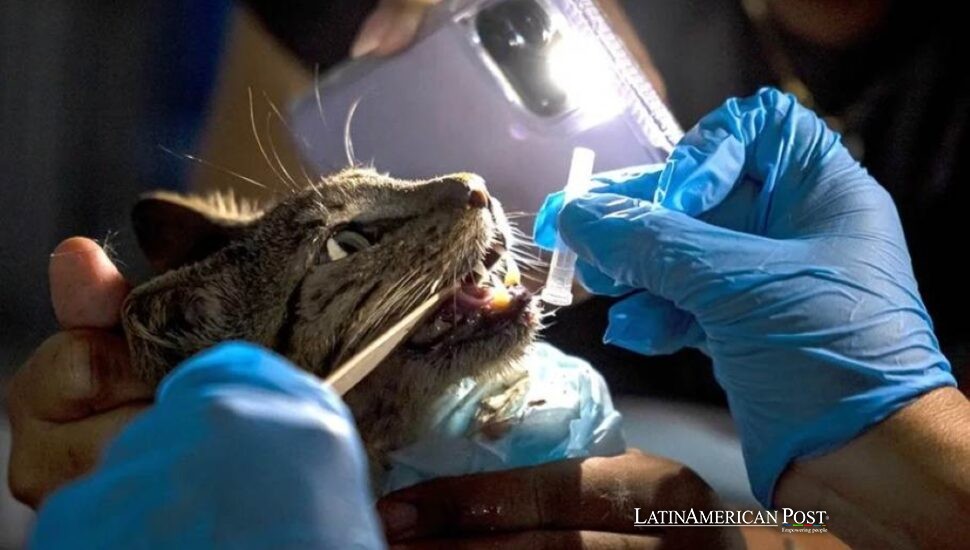
Animals are dewormed, given vitamin support and vaccines, and offered for adoption only when fully healthy. That slows turnover, but protects new households from another medical crisis.
Beltrán Finds His Way Home
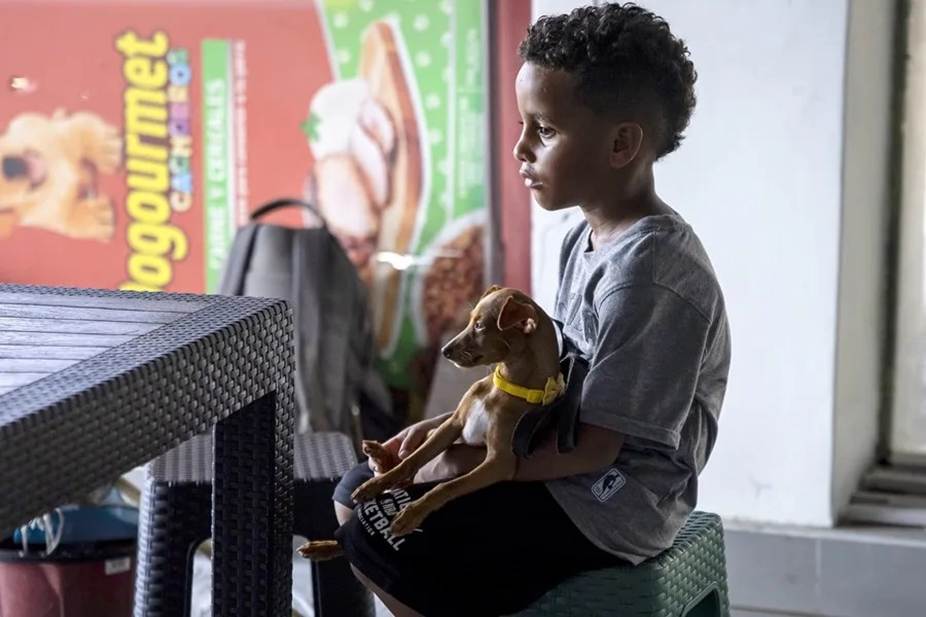
Arelys Criollo arrived carrying Beltrán, a puppy about three months old whose body still told the story of the earthquakes. He had been left outdoors with six other puppies. Criollo took all seven to the shelter. Then she noticed the smallest one.
“He was the thinnest, the one who had suffered most,” she told EFE. She decided to help him recover. Beltrán was being treated for vomiting and parasites, ailments that become dangerous quickly in an animal weakened by exposure and hunger.
Criollo had not planned the adoption as a grand gesture. It happened through repetition: feeding him, watching him, worrying. “I said I was going to get him better, but, look, in the end I kept him, and we became attached to him,” she said.
Beltrán now shares a home with Balto, her older dog. Criollo, a cook, describes care as a family obligation. Loving a pet, she said, is like having a child. Difficulties do not erase the duty. A person finds a way.
“At least Balto eats the same thing I eat,” she told EFE.
That sentence is tender because it is also economic. In a household rebuilding after catastrophe, sharing food means adjusting portions within an already pressured budget. Beltrán was adopted not after hardship, but into it.
Animals are not decorative casualties of human disaster. They are woven into homes, routines, memory, and mourning. Finding a lost dog can restore one recognizable presence to a family whose world has been rearranged.
Clinics Built From Borrowed Rooms
Veterinary care across La Guaira has relied on volunteers, public workers, private foundations, donations, temporary shelters, and borrowed spaces. The Fundación Mi Primer Rescate Carabobo began in Caraballeda with plastic tables inside an empty storefront and six permanent veterinarians.
Donations turned the site into a clinic capable of emergency surgery. Dr. Luis Calderón, its coordinator, told EFE that the team treats between 150 and 200 animals daily and has surpassed 7,000 consultations.
At that pace, 7,000 visits equal roughly 35 to 47 full days of work. Some animals require repeated treatment, so the number measures sustained clinical pressure rather than unique patients.
The diseases are severe and contagious. Veterinarians have found distemper and parvovirus in dogs, and panleukopenia and calicivirus in cats. In a crowded refuge, infection can outrun adoption. Separation, vaccination, cleaning, and early diagnosis become the line between shelter and outbreak.
The foundation has transferred more than 80 pets to shelters in Valencia. Others have gone to temporary homes or facilities in Caracas. Each transfer frees space, but moves responsibility outward. The animals still need lasting care and permanent homes.
The calendar is unsettling. The Caraballeda operation was initially scheduled to remain in its storefront only through August 31. Another team worked from a McDonald’s that loaned its premises until this week. Emergency medicine is being practiced in spaces designed for other lives.
Their predicament also exposes a policy gap familiar across Latin America: animal rescue is celebrated during catastrophe, but long-term shelter capacity, reunification records, foster networks, and veterinary funding often remain improvised.
Venezuela’s recovery will eventually be narrated through reconstruction figures, reopened roads, and official death counts. Yet these animals offer another measure. They show whether recovery protects the vulnerable after urgency fades and whether temporary generosity becomes durable care.
For now, they wait behind wire doors, listening for footsteps. Some may recognize a returning family. Others will meet strangers willing to choose the frightened cat, the adult dog, or the smallest puppy. In La Guaira, survival has already happened. Belonging is the unfinished rescue.
Also Read: Uruguayan Legend Rubén Rada Made the Whole World Dance Candombe