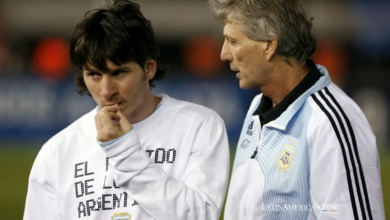
Argentine Soccer Says Goodbye as Messi Leaves the Eternal Stage
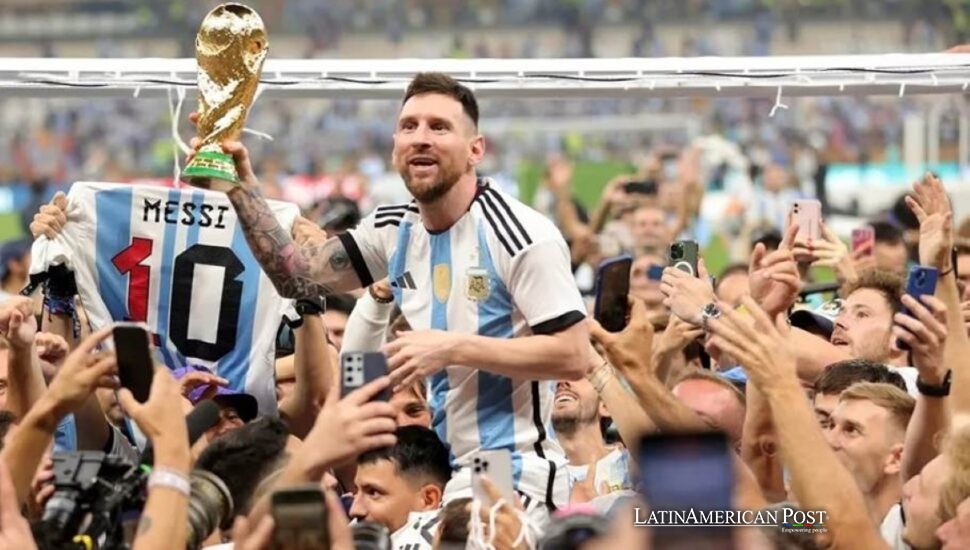
Lionel Messi’s international retirement closes Argentina’s longest football love story, a 21-year passage from teenage rejection to World Cup immortality, leaving 125 goals, six tournaments, and a country forced to imagine its national team without him for the first time.
The Boy Who Left and Still Belonged
Lionel Messi delivered the news the way modern icons often do, alone with a screen and millions waiting on the other side. At 39, after 21 years in Argentina’s shirt, he wrote that the decision hurt deeply, but that the moment had arrived. There was no stadium microphone, no confetti, no final lap. Just a long message and the quiet shock of an ending Argentines had spent years postponing.
He wrote the letter on July 21, two days after Argentina lost the 2026 World Cup final to Spain in extra time in New Jersey. Messi struggled to shape that match as he once could. He waited to publish it because his father, Jorge, was ill. Jorge Messi died in Rosario on Aug. 8, making the retirement feel less like a sporting transaction than the closing of a family chapter that began in the same city.
That beginning was hardly majestic. Two months after dominating the 2005 under-20 world championship, Messi entered his senior debut against Hungary at 18 and was sent off almost immediately. His first Argentina appearance lasted roughly two minutes. It now reads like a national parable: the country’s greatest servant began by being dismissed before anyone understood what he might become.
Messi would eventually play 207 matches and score 125 goals, both Argentine records. That is slightly more than six goals for every ten appearances across two decades, an extraordinary rate for a player who also carried much of the team’s creative burden. His total more than doubled Gabriel Batistuta’s previous national record of 54 goals. Longevity did not decorate Messi’s career. It changed the scale by which an Argentine career could be measured.
The World Cup numbers are even more revealing. Messi appeared in six tournaments, tying Cristiano Ronaldo, and scored 21 goals, one fewer than Kylian Mbappé. He played in three finals, losing in 2014 and 2026, and winning in Qatar in 2022. Even at the end, history refused to sit still.
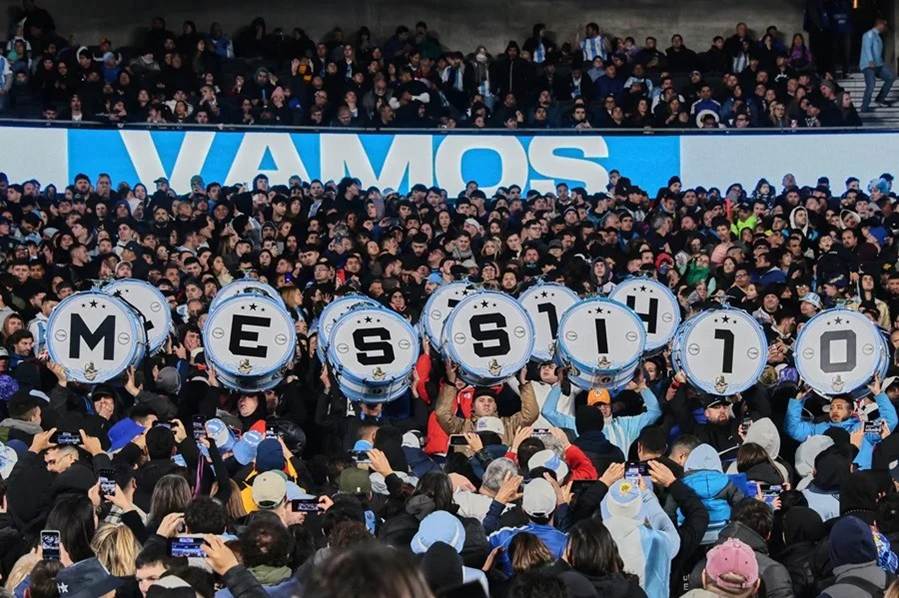
The Crown That Changed the Argument
For much of Messi’s national-team life, greatness was presented to him as a debt. Club brilliance was not enough. Records were not enough. Argentina wanted the one image Diego Maradona had already given it: the captain lifting the World Cup while an entire country dissolved into celebration.
That pressure nearly broke the relationship. After Argentina lost the 2016 Copa América final to Chile on penalties, with Messi missing his attempt, he retired from international soccer. It was the third consecutive major final Argentina had lost. The decision sounded final because the exhaustion behind it was unmistakable. A public campaign, joined by Maradona and Argentina’s president, helped bring him back.
His return changed Argentine soccer’s emotional history. Argentina won the Copa América in 2021, ending a long senior-title drought, then captured the World Cup in 2022. Another Copa América followed in 2024. The sequence did more than fill a trophy cabinet. It overturned the idea that Messi’s national career lacked a defining victory and transformed him from a genius under permanent examination into a shared national possession.
The 2022 triumph also reconciled two versions of Argentina. One remembered Maradona through improvisation, rebellion, and the wounded pride of 1986. The other reflected migration, European clubs, global fandom, and a captain educated largely abroad. Messi did not replace Maradona. He proved Argentine belonging could take another form.
His second retirement therefore carries none of the bitterness of 2016. It comes after the victories, the parade, and the photograph with the trophy. It also comes after one last defeat. Messi did not leave at the highest possible moment. He stayed long enough to risk losing again, play a sixth World Cup, and show that loyalty was not conditional on the perfect farewell.
“I always fought and left everything on the field for this jersey,” he wrote. The line matters because his Argentina story was once narrated as if effort itself were in doubt. By the end, the evidence was overwhelming: 207 appearances, 125 goals, 21 World Cup goals, three finals, and the title that had seemed capable of defining him by its absence.
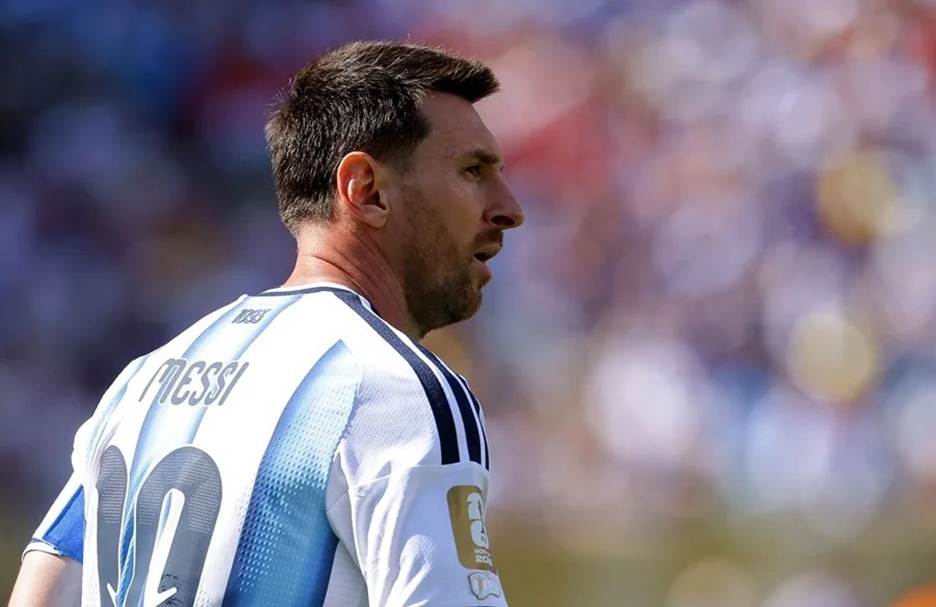
Argentina After the Number Ten
Messi is not finished with soccer. He will continue with Inter Miami, where he scored four goals in a 7-1 victory over CF Montreal days before announcing his retirement. He is a two-time Major League Soccer MVP, a league champion, and still capable of making an ordinary match feel like a public appointment.
But Argentina now faces different work. For two decades, coaches could rebuild formations, change generations, and cycle through crises while assuming Messi remained at the center. His departure removes not only the leading scorer but the team’s emotional compass, commercial face, and final source of reassurance when matches tightened.
Coach Lionel Scaloni called him “pure history” during the recent World Cup. The phrase is accurate, but history can become heavy when a new team is asked to carry it. Argentina’s next leaders will be judged against records built through almost ten international appearances per year for 21 years. Replacing him is impossible. Learning not to search for another Messi may be the first honest step.
His farewell offered a gentler role. He said he would become one of the supporters, cheering from outside through good times and bad. For a man who spent most of his adult life watched by Argentina, something is moving in that reversal. He is finally allowed to look toward the field rather than carry it.
The national shirt will be worn again. The anthem will sound. Someone else will take the free kicks and walk toward the penalty spot. Yet Argentine soccer will move differently because Messi expanded its memory. He arrived as a teenager who lasted two minutes and left as the player who made 21 years feel, somehow, too short.
Also Read: Argentine Paredes Earned FIFA’s Ten-Match Reckoning After World Cup Fury