Pope Leo XIV’s Visit: A New Chapel and a Demand for Real Change in Peru
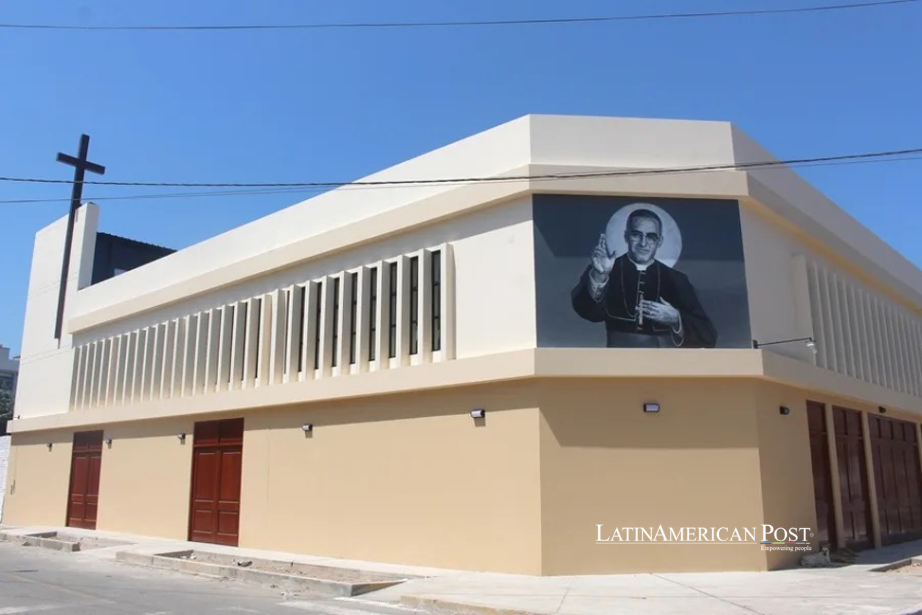
In a poor Chiclayo neighborhood, a new chapel awaits Pope Leo XIV, who helped secure funding for it. Behind the fresh paint lies a demanding idea of charity: donations should reach their destination, and the people sustaining parish life deserve wages.
A Chapel That Could Not Wait
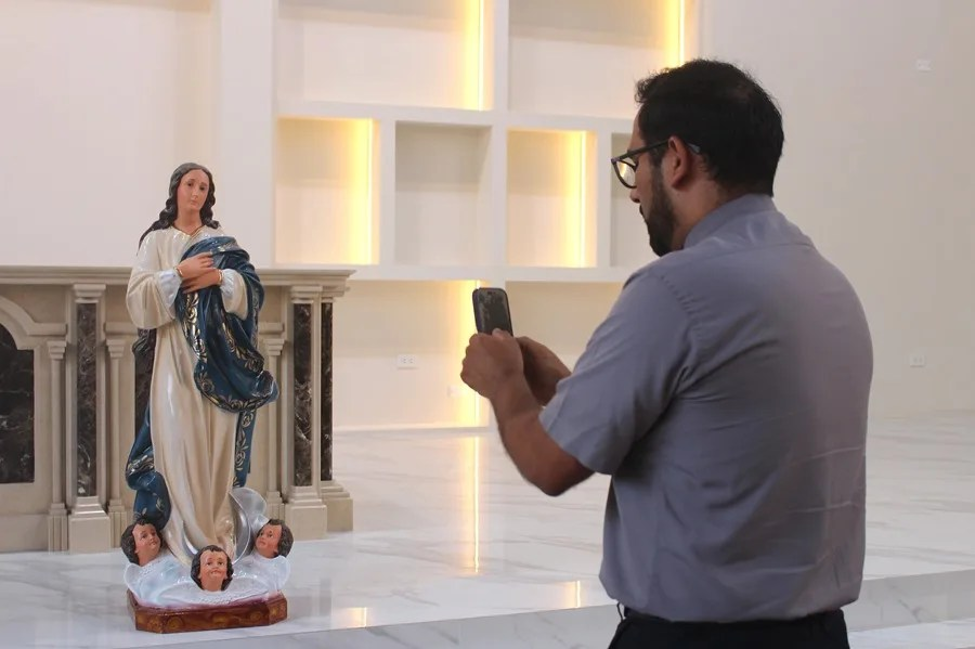
The windows of the new San Óscar Romero chapel look onto the unfinished houses of El Bosque. Inside, the walls are pale, the design restrained, the light generous. Outside, the neighborhood remains among Chiclayo’s poorest. The contrast makes the building’s achievement visible without allowing it to stand in for the prosperity its neighbors still lack.
Father José Alonso remembers a different structure, one that “could collapse at any moment,” he told EFE. It also struggled to accommodate a growing congregation. “Every Sunday, the church was too small for us,” he said. Rebuilding addressed both a deteriorating building and the pressure of people continuing to gather there.
Several priests had wanted to improve it. The condition was so poor that available funds never matched the work required. That is a familiar problem for an institution sustained by a poor community: greater need does not necessarily produce greater fundraising capacity.
The breakthrough came through Edgard Rimaycuna, Pope Leo XIV’s personal secretary, whose family belongs to the Catholic community in La Victoria, the district containing El Bosque. While Robert Prevost was still a cardinal working in Rome, Rimaycuna spoke with him about the chapel.
American benefactors known to Prevost funded a replacement built from scratch. The church is now preparing for a private papal visit during his planned Latin American tour, which includes Uruguay, Argentina and Peru. Chiclayo will welcome back the man who served as its bishop for eight years.
Alonso told EFE about other priests’ “holy envy” of the upcoming visit. For the parish, nearly an hour with the pope represents an extraordinary reversal of fortunes.
The Donation Has an Address
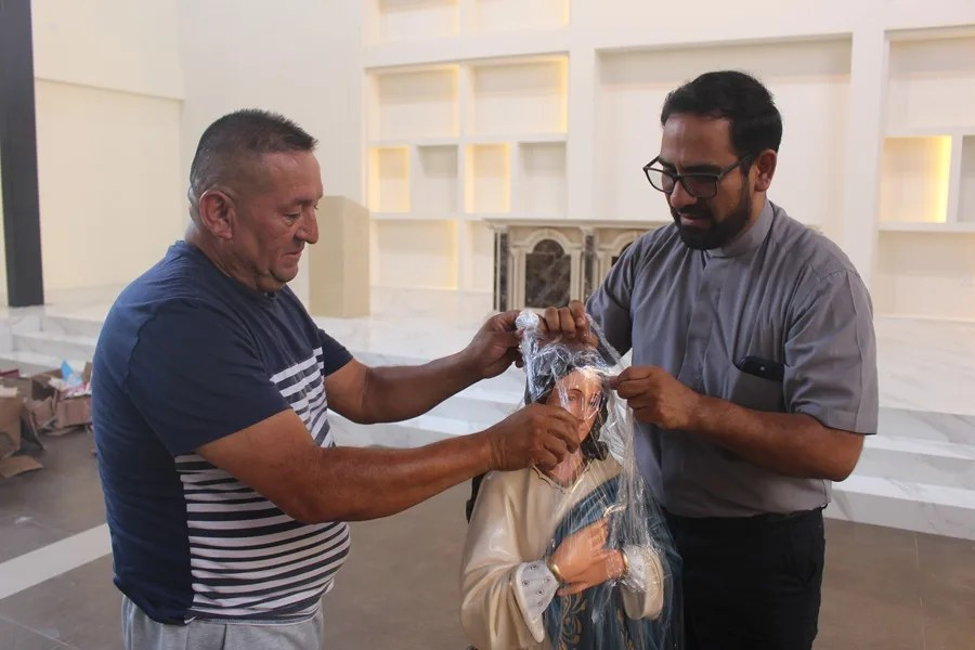
Alonso has spent the past year combining parish duties with construction. After his interview with EFE, he unpacks the chapel’s new marble altar. Updates traveled through Rimaycuna to the donors and the pope, keeping a neighborhood project inside an international circle of attention.
That attention survived Prevost’s election. When Alonso sent congratulations, the new pope replied with a practical reminder: “Don’t forget the chapel,” the priest recalled to EFE. Later, Rimaycuna photographed the chosen colors and, while visiting the works, sent them to Rome. The pope approved.
The exchange delighted Alonso. It also reveals how this project became possible. A secretary with local roots connected a struggling parish to a cardinal’s overseas relationships. Money crossed borders because someone who knew the neighborhood could bring its needs to people able to help.
That is effective fundraising, but it leaves a larger institutional challenge. Comparable communities cannot all rely on a direct connection to the Vatican. If need is to guide investment consistently, the lessons must extend beyond one successful introduction to a dependable way of identifying and financing neglected parishes.
Alonso describes the visit as a chance to show that the donation reached its destination and funded the intended work. His confidence is tangible: the building exists. Yet a completed chapel and transparent accounts answer different questions. One shows what was built; the other explains what it cost and how it was paid for.
The distinction protects both generosity and trust. Donors need confidence that funds were used properly. Parishioners need to understand the responsibilities they inherit, including maintenance and the ordinary expenses that will continue after construction donations stop. A new roof solves one problem while creating a lasting obligation to care for it.
After the Papal Visit Ends
Alonso told EFE that Prevost’s expectations went beyond construction. As bishop, he pressed priests to respect parish workers’ rights and required sacristans to receive salaries instead of relying on tips. These are the people whose labor helps make religious services possible, often with little public recognition.
The economic difference is substantial even without a wage figure. Tips leave household income dependent on other people’s discretion. A regular salary places responsibility on the institution to budget for the work it requires. The worker’s family becomes a claim on parish resources rather than an afterthought.
Alonso recalled Prevost’s reasoning to EFE: “Those people work to support a family.” The parish might not be a business, the bishop argued, but it should be fairer. That principle challenges the convenient confusion between freely offered service and necessary work that deserves compensation.
The chapel’s name gives that expectation particular weight. San Óscar Romero honors the Salvadoran archbishop remembered as the voice of those denied one. Here, that inheritance can be expressed through something less dramatic than a public declaration: paying the people who keep a parish functioning.
During the visit, expected to last almost an hour, guests will include elderly parishioners and priests’ families. Rimaycuna’s parents will offer Thanksgiving. About 20 sick people are expected to receive the pope’s blessing. The scale suggests an intimate encounter rather than a gathering measured chiefly by crowd size.
Eight years as bishop, a year of construction, and roughly an hour inside the finished chapel operate on different clocks. The shortest will attract the most attention. The longer test begins afterward, when Alonso must sustain the building, the congregation, and the fairness toward workers that its benefactor expected.