Cuba Blames Washington for Its Humanitarian Crisis, but Havana Cannot Claim Innocence
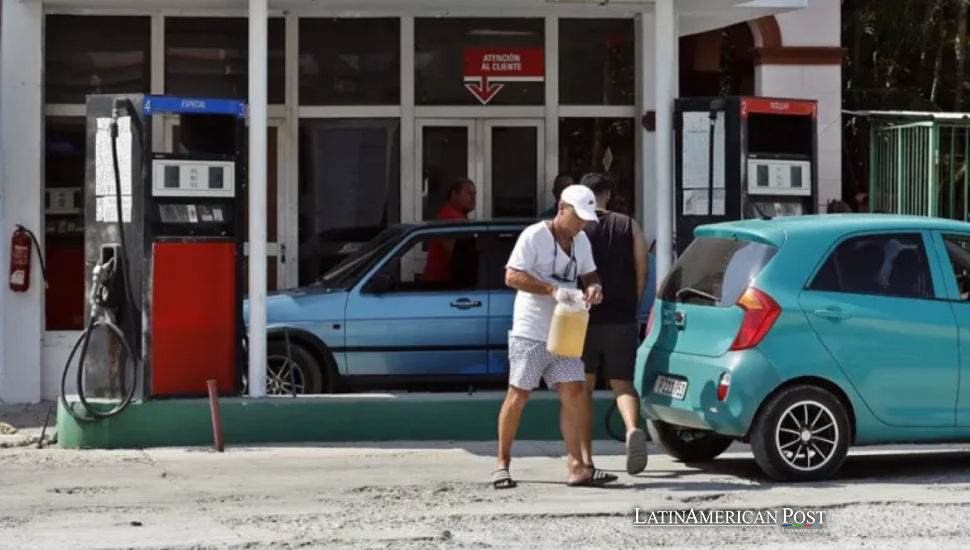
U.S. sanctions are disrupting Cuba’s supply chains, but Washington did not create every shortage. The evidence points to a damaging American escalation layered over domestic failures, with ordinary Cubans paying for policies neither government can honestly blame entirely on outsiders.
The Shipping Evidence Is Real
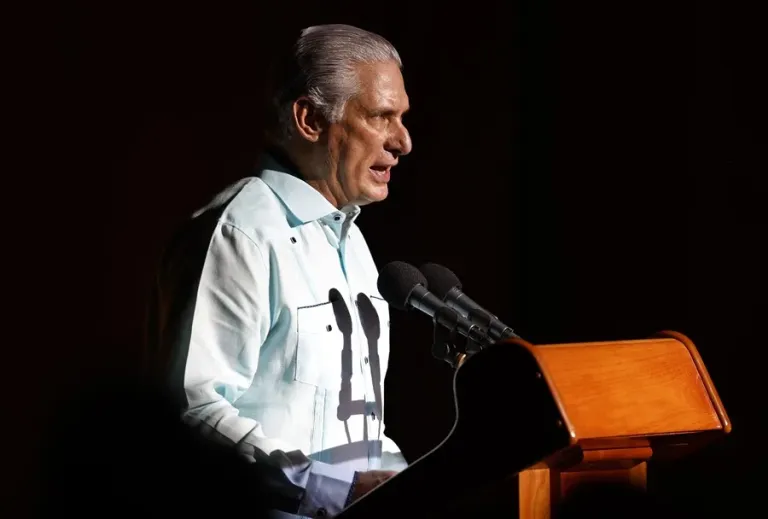
A container of medicine is not medical care. It becomes care only when its contents reach someone who needs them. That distinction sits behind Foreign Minister Bruno Rodríguez’s September 14 accusation, reported by EFE, that U.S. pressure has stranded 7,000 containers destined for Cuba, mostly carrying food, medicine and medical equipment.
Rodríguez says the cargo was contracted and paid for. That matters: if verified, it would distinguish disrupted delivery from Cuba’s inability to purchase supplies. But the account provides no independently audited inventory, cargo weights, or normal monthly import volumes. Seven thousand is an allegation requiring verification, not a usable estimate of how many patients or meals are affected.
The shipping disruption itself is better established. Hapag-Lloyd published a suspension of new Cuba bookings in May. Both it and CMA CGM told Reuters their decisions followed President Donald Trump’s May 1 executive order. This is evidence from the companies, not merely Havana’s explanation.
Reuters’ sources estimated that the suspensions could threaten 60 percent of Cuban shipping volume. That was potential exposure, not a measured 60 percent collapse. Still, losing access to major carriers provides a concrete mechanism for sanctions to worsen shortages.
The policy is broader than America refusing to trade. Trump’s January 29 order threatened tariffs against countries supplying Cuba with oil. His May order expanded sanctions authority over foreign businesses and financial institutions. A supplier can therefore face American consequences for a transaction conducted outside the United States.
Those measures make humanitarian harm foreseeable. The World Food Program says Cuba’s ration basket is almost entirely imported. Its distribution depends on transport and fuel, not merely on whether a bag of rice is legally exempt.
Havana’s Failures Predate the Offensive
But Cuba was not healthy until Washington tightened the screws. In January 2025, The Associated Press described shortages and blackouts alongside construction of Havana’s 542-room luxury hotel. Visitor numbers fell from 4.2 million in 2019 to 2.2 million in 2024, about 48 percent.
That does not prove every hotel investment was irrational. Tourism earns foreign currency that can finance essential imports. It does, however, raise a hard question about committing scarce capital to additional rooms while existing capacity sits underused. American sanctions constrain Cuba’s options; Cuban authorities still choose among them.
Nor were all obstacles imported. EFE reported this September that new reforms allow private businesses with more than 100 employees and permit foreign companies to hire workers directly instead of through state agencies. These changes acknowledge that restrictions Havana could alter itself. They are welcome, but their lateness deserves scrutiny.
The historical argument cuts both ways. A crisis predating 2026 cannot have been created entirely by this year’s measures. Yet older sanctions were already operating, so an earlier starting date does not absolve Washington either. Chronology rules out one simplistic explanation without supplying another.
The available evidence cannot assign precise percentages of responsibility to sanctions, domestic economic decisions, the pandemic, or other shocks. Pretending otherwise would turn an opinion into counterfeit accounting. The defensible conclusion is interaction: external restrictions strike harder when domestic production and public services are already fragile.
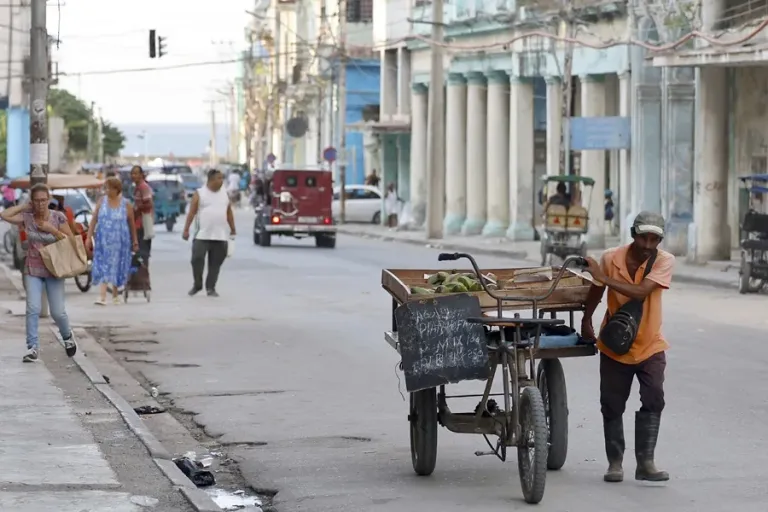
An Exemption Is Not a Delivery
Washington has a substantive defense that deserves more than dismissal. Treasury guidance updated August 6 says non-American suppliers of food, medicine and medical devices are generally not intended sanctions targets. Humanitarian trade is not universally prohibited. Calling every delayed shipment an American seizure would misrepresent the evidence.
Separate EFE reporting further complicates the picture. U.S. exports to Cuba reached $674 million between January and July, up 61.8 percent from the same period in 2025. Some trade is expanding, not disappearing. That contradicts descriptions of a completely sealed island, but says nothing definitive about supplies reaching public hospitals or poorer households.
These are dollar values, not a measure of total physical availability across all trading partners. Rising purchases from one country can coexist with severe disruption elsewhere. Neither Washington nor Havana should turn a bilateral trade figure into a verdict on national deprivation.
Cuban Commerce Minister Óscar Pérez-Oliva also acknowledged that CMA CGM had partially resumed services for food and medical cargo. That weakens any claim of a complete shipping stoppage. It does not establish that accumulated backlogs have cleared or that essential energy and water infrastructure can get everything it needs.
Here the distinction between exemptions and outcomes becomes decisive. In May, United Nations experts warned that American fuel restrictions were disrupting essential services. A medical shipment needs more than permission: it needs a functioning delivery chain. Protecting the box while undermining that chain is inadequate humanitarian policy.
Diplomatic condemnations are not independent audits. The practical standard should be verified deliveries and functioning services, alongside transparent Cuban purchasing and distribution. Washington should protect humanitarian transport and financing; Havana should publicly disclose shortages and remove avoidable domestic obstacles to relief.
American responsibility is real, not exclusive. Rodríguez’s narrower claim that U.S. pressure causes serious humanitarian harm is supported; treating Washington as the sole author of Cuba’s crisis is not. Havana cannot outsource responsibility for domestic failure. Washington cannot cite that failure as permission to deepen it.
Also Read: Argentina’s Naval Base Gamble Raises the Stakes From the Malvinas to Antarctica