Argentina’s Naval Base Gamble Raises the Stakes From the Malvinas to Antarctica
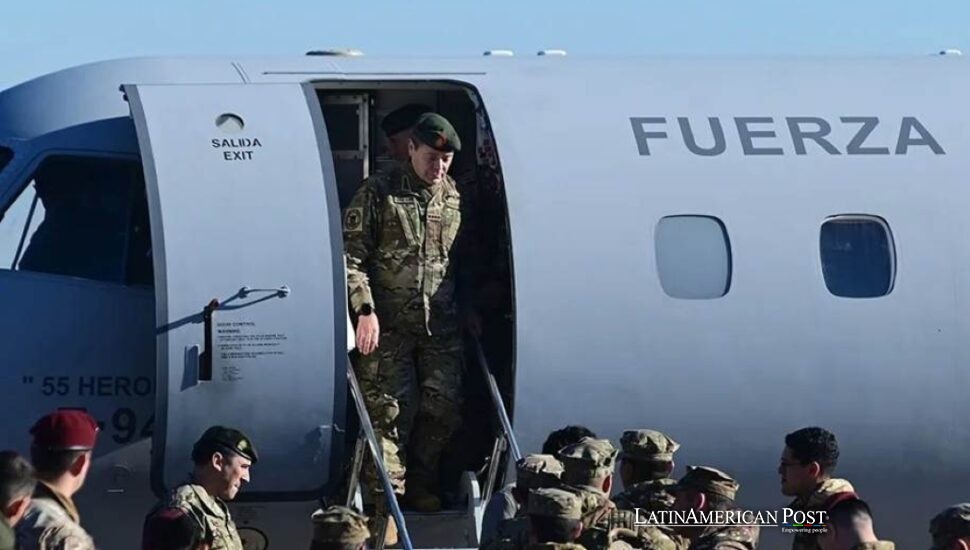
Argentina’s planned Ushuaia naval base puts the Malvinas dispute, Antarctic access and regional autonomy on one strategic map. For Argentina and Latin America, the challenge is whether stronger sovereign capabilities can support diplomacy without importing rivalries or repeating costly mistakes.
Sovereignty Comes With an Invoice
Before Argentina can project more power across the South Atlantic, it must get contractors working. Defense Minister Carlos Presti told LN+, in an interview reported by EFE, that five or six public tenders would precede a planned January 2, 2027, construction start in Ushuaia.
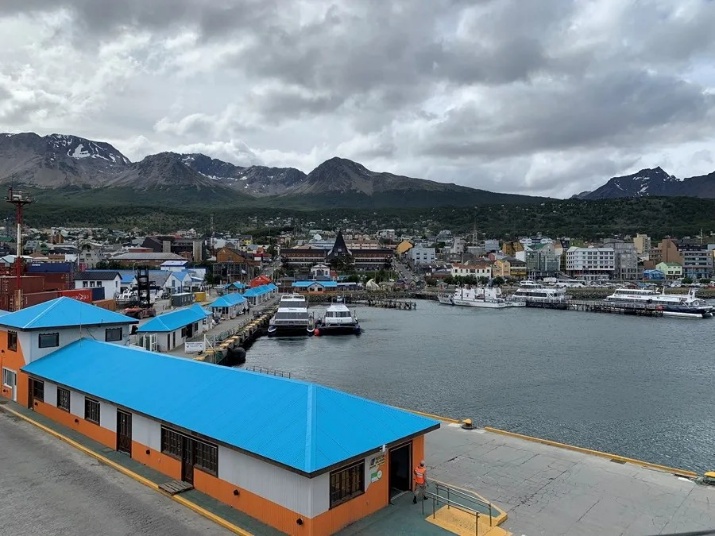
The location explains the ambition. EFE places Ushuaia roughly 700 kilometers from the British-administered Malvinas, known in Britain as the Falklands, and 3,000 kilometers south of Buenos Aires. A better equipped mainland base could sustain operations closer to their destination. Proximity alone would not change sovereignty over the islands.
President Javier Milei is reviving a project announced under Alberto Fernández in 2022 and stalled after his own spending cuts. Tierra del Fuego Governor Gustavo Melella, an opponent, supports restarting it. Their agreement suggests that southern infrastructure can outlast ideological quarrels, provided successive governments keep paying for it.
That qualification matters. Beyond EFE’s account, La Nación reports an initial $142 million allocation against an estimated construction cost of $400 million to $500 million. The allocation therefore represents approximately 28 to 36 percent of the estimated total, not a fully financed strategic transformation.
The gap between that allocation and estimated costs is $258 million to $358 million, before considering the separate costs of keeping forces ready. Presti’s references to submarines, marines and naval aviation describe intended functions, not proof that deployable units and sustained operating budgets are already available.
For a sailor’s family, a functioning base means housing and predictable postings as much as national prestige. For an Antarctic technician, it means supplies arriving. The harder test of sovereignty is whether the government funds those ordinary obligations after the announcement has stopped making headlines.
Mexico’s Solidarity Has a Boundary
Mexico has a direct diplomatic stake, not an announced role in construction. At the United Nations on June 25, its delegation reaffirmed support for Argentina’s sovereignty claim while calling for renewed negotiations. It also criticized unilateral resource exploitation and military activity in the disputed area.
That position offers a regional distinction worth defending. Supporting an Argentine facility on Argentine territory is not the same as endorsing coercion against the islands. Latin American solidarity gains credibility when it strengthens negotiating capacity without becoming a promise to support whatever confrontation comes next.
Britain approaches the dispute from a different angle. In its June statement to the Organization of American States, London insisted that the islanders’ wishes must govern their political future and defended their right to develop natural resources. Neither a new pier nor regional declarations can erase that disagreement.
Milei’s sanctions campaign against oil companies operating under island licenses adds economic pressure to the naval signal. Its potential leverage comes from making companies weigh disputed offshore opportunities against access to Argentina. But legal objections do not automatically stop investment: effectiveness depends on enforceable penalties and the commercial interests exposed.
For Mexico, the useful lesson is not that every sovereignty dispute needs a military answer. It is that diplomacy becomes more credible when backed by durable domestic capacity. Buying equipment without maintaining it can leave a country dependent on suppliers even while its leaders proclaim independence.

Antarctica Changes the Calculation
The base’s Antarctic role may ultimately matter more than its proximity to the Malvinas. Argentina’s seven permanent and six seasonal Antarctic stations create recurring logistical demands, according to EFE. Supporting 13 stations requires more than occasional demonstrations of presence; winter operations and summer resupply need continuity.
A reliable Ushuaia hub could also service other countries’ expeditions, an objective Argentina’s Defense Ministry described in 2023. That offers influence through usefulness rather than intimidation. Regional cooperation could keep more scientific and logistical spending in Latin America instead of treating southern ports merely as foreign expeditions’ departure lounges.
There are firm limits. The Antarctic Treaty requires peaceful activity and permits military personnel or equipment for science and other peaceful purposes. It also prevents activities undertaken while the treaty operates from creating new sovereignty rights. Better logistics can strengthen Argentina’s scientific contribution, not manufacture additional Antarctic territory.
The global alliance question is already visible. Milei discussed the base in Ushuaia with U.S. Southern Command chief Laura Richardson in April 2024. Yet Foreign Minister Pablo Quirno now tells La Nación that the project will use Argentine resources and belong entirely to Argentina, without foreign financing.
Those statements should be read together, not collapsed into a claim that Washington owns the project. Cooperation and control are different. Argentina could welcome visiting expeditions while retaining control over access decisions. For Latin America, that distinction separates useful partnerships from infrastructure that serves somebody else’s priorities.
Reuters reported that Washington was reviewing its traditional neutrality on the dispute. Such signals may encourage Buenos Aires, but an ally’s shifting preference is not a treaty, a sovereignty settlement or a substitute for Argentine operational capacity.
Ushuaia’s promise is therefore neither another 1982 nor an automatic geopolitical breakthrough. It is a chance to turn geographic advantage into reliable public capability. The strongest message Argentina could send would be a completed base that supports peaceful operations, survives budget cycles and leaves its government freer to negotiate.
Also Read: Latin America Faces Ortega’s Closing Door as Nicaragua Abandons Democratic Pretenses Entirely