Argentine Rugby Star Aramburu’s Killing Brings French Extremism and Grief to Court
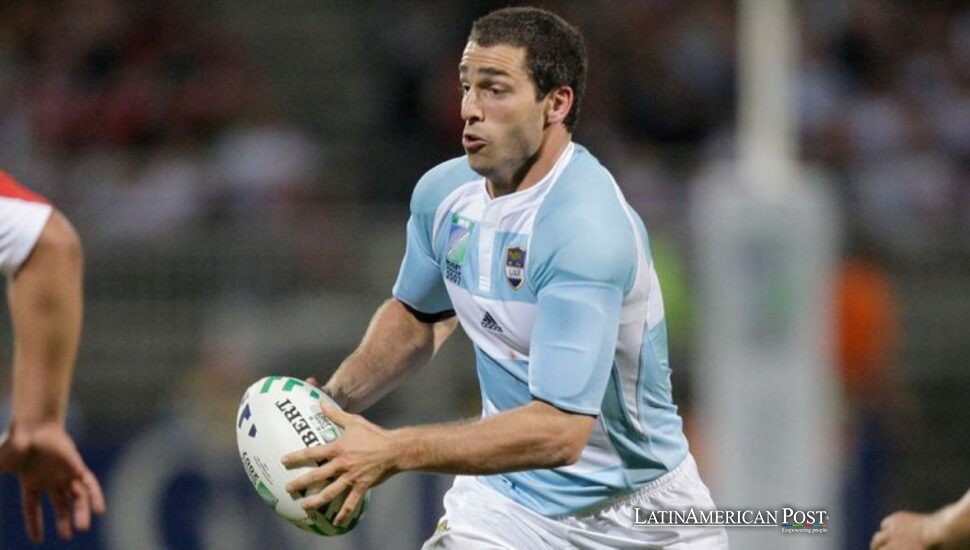
At the Paris trial over Argentine rugby player Federico Martín Aramburu’s killing, his mother alleges xenophobic taunts preceded the shooting. Her testimony raises questions about extremist violence, judicial safeguards and the fragile distinction between being welcomed abroad and truly belonging.
A Mother Names the Wound
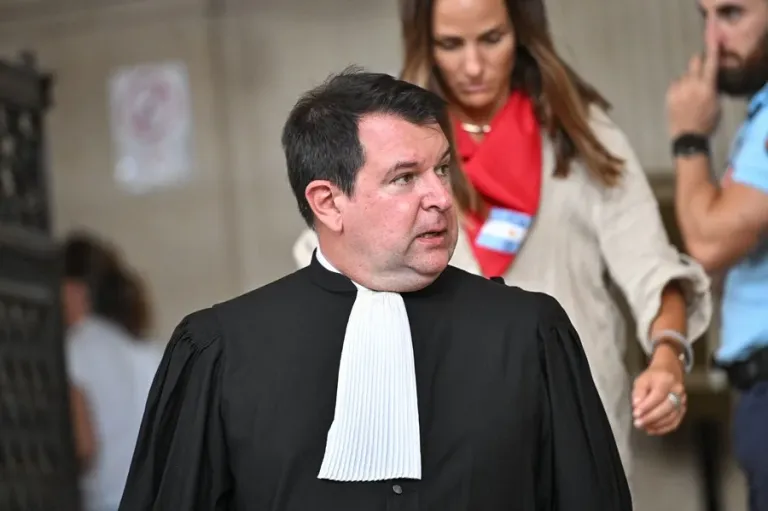
The men Cecilia Aramburu addressed were a few yards away, behind armored glass, their heads lowered. On September 14, the sixth day of the trial, she spoke about her son and the hostility she believes preceded his death. EFE reported her testimony.
“Criminals who do not know what humanity is,” she called them. Loïk Le Priol faces a murder charge over the March 19, 2022, killing of Federico Martín Aramburu. Romain Bouvier faces attempted murder charges. Both face possible life sentences; neither has received a verdict yet.
The court’s question was uncomfortable: why had Aramburu knocked Le Priol to the ground before the shooting? Drawing on what his friend Shaun Hegarty had told her, Cecilia described alleged threatening behavior and degrading treatment of a homeless person. Her account was not eyewitness testimony.
She also relayed the distinction allegedly drawn by the defendants: “You Argentine, you New Zealander,” against their assertion that they were at home. Hegarty, who accompanied Aramburu, was the other target in that formulation. Cecilia contended that her son had encountered humiliation, not simply an argument.
That allegation gives the case significance beyond sport. The words she described would turn nationality into a hierarchy: some people entitled to occupy a place, others reminded that their presence was conditional. The court must establish what happened; the alleged language explains why the family rejects a politically neutral account.
EFE identifies both defendants as members of the former far-right group GUD. Cecilia said the family learned about that world only after the killing. Discovering their earlier violence and a judicial prohibition on their being together, she testified, compounded the grief. To her, the loss also raised questions about whether it could have been prevented.

What the Admissions Do Not Settle
At the trial’s opening on September 7, Le Priol acknowledged causing Aramburu’s death while leaving the court to determine whether he had acted in self-defense. His statement narrowed one dispute but did not resolve the central legal question. Admitting responsibility for a death is not necessarily admitting murder.
Bouvier offered a different account. According to EFE, he denied intending to kill and described his shots as deterrent. He spoke emotionally about the family and Hegarty, who saw his friend die in his arms. Le Priol also asked forgiveness. Their expressions of remorse do not settle either defense.
The earlier physical confrontation matters, but it cannot explain everything that followed merely by existing. The court must examine the sequence rather than treat the first blow as a complete account of the shooting. Likewise, extremist associations warrant scrutiny but do not automatically prove the motive for a particular act.
Four people are on trial, but not for interchangeable conduct. Lyson Rohemir, identified by EFE as Le Priol’s partner, denies complicity in murder. Antony Sorrentino admits the conduct underlying accusations that he helped Bouvier’s attempted escape. Both appear outside custody, unlike the two principal defendants.
Those differences are substantive. Alleged participation in a killing and assistance afterward require separate assessments, not a single verdict about a circle of friends. Possible life imprisonment describes the maximum stakes reported for the principal defendants, not an outcome already determined by the emotional force of the testimony.
Cecilia’s reference to the prohibition on contact poses another question: were existing safeguards functioning? Establishing that a restriction existed is different from establishing who knew it was being breached or could have intervened. Accountability requires that distinction, even when a bereaved family understandably sees an intolerable missed opportunity.
The Future That Never Came Home
Aramburu was 42 and left a widow and three young children. Nearly four and a half years separated his death from his mother’s testimony. The proceedings are scheduled to end September 25. For his family, that timetable belongs to a longer stretch of life already lived without him.
His former Biarritz teammate Thomas Lièvremont had to pause while testifying, overcome by the memory, EFE reported. He described a man who opposed intolerance, not someone whose personal circumstances had made him unusually irritable. In March 2022, Aramburu had been looking toward a more secure family future.
He and Hegarty ran a sports tourism business and were pursuing opportunities linked to France’s 2023 Rugby World Cup. Lièvremont said the Paris trip involved closing a contract that could improve the family’s comfort. This was work after professional rugby, with obligations beyond the field.
That detail restores something a murder file can flatten. Aramburu was not only a former Argentine international or an emblem of sporting fraternity. He was planning, earning and building a business with a friend. The tournament they anticipated became an event he would never see.
His reputation for kindness matters to those mourning him. It is not a condition of his right to safety. Nor should sporting achievement be necessary to make an Argentine’s alleged humiliation in France worthy of attention.
Cecilia told the court, in testimony reported by EFE, that saying this crime should never have happened was itself painful. The demand beneath those words is greater than punishment: an explanation of how a business trip ended with a family learning the vocabulary of French extremism.
Also Read: Brazilian Clubs Set the Libertadores Table, but Their Neighbors Still Want Seats