Argentina Dreams of Formula One Return as History Revs Its Engine Again
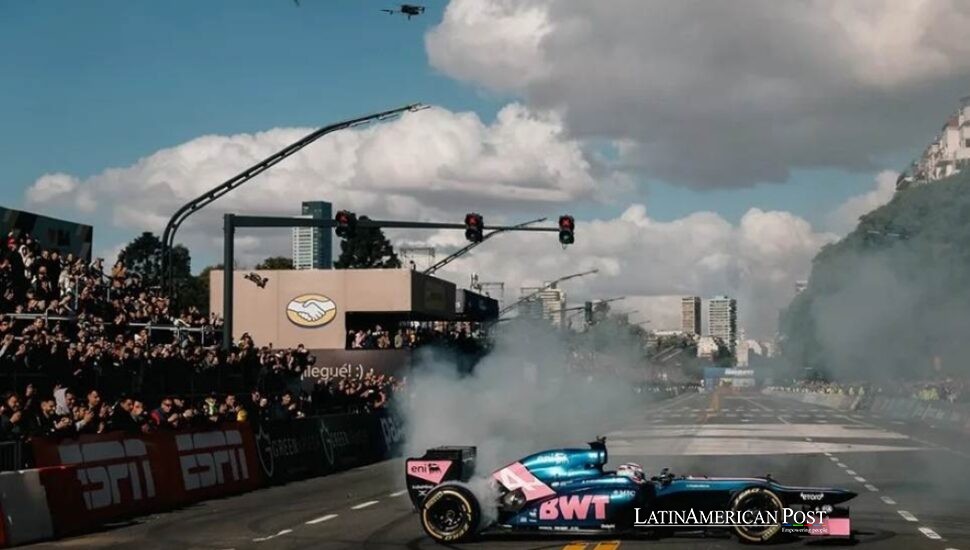
Argentina may welcome Formula One back by 2029 or 2030, reviving a Buenos Aires tradition shaped by Fangio, political upheaval, fatal risk, financial collapse, and longing while testing whether modern investment can finally outrun the failures that ended earlier comebacks.
A Promise Built on Old Asphalt
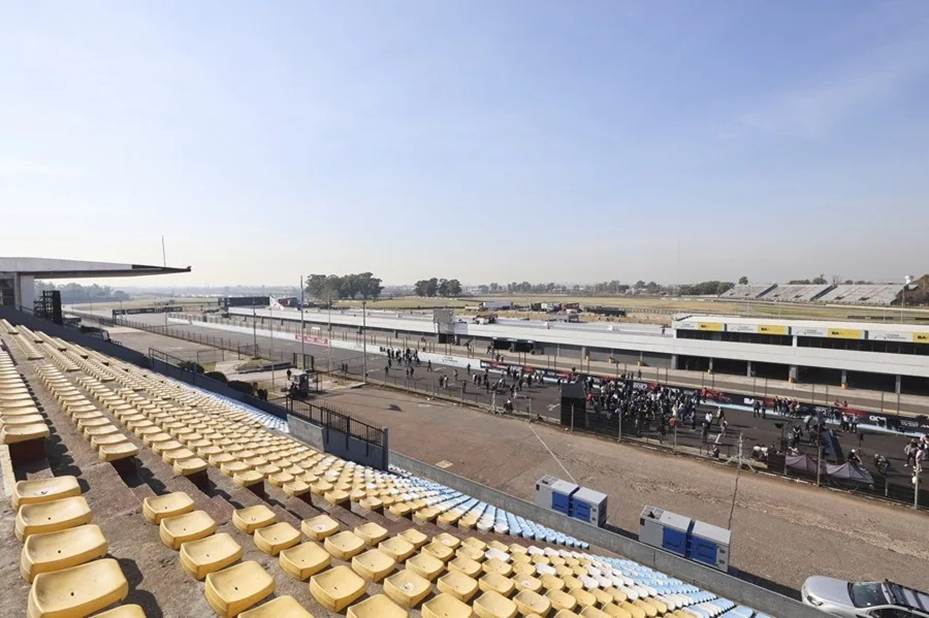
At the Oscar and Juan Gálvez circuit, the future is currently a construction site.
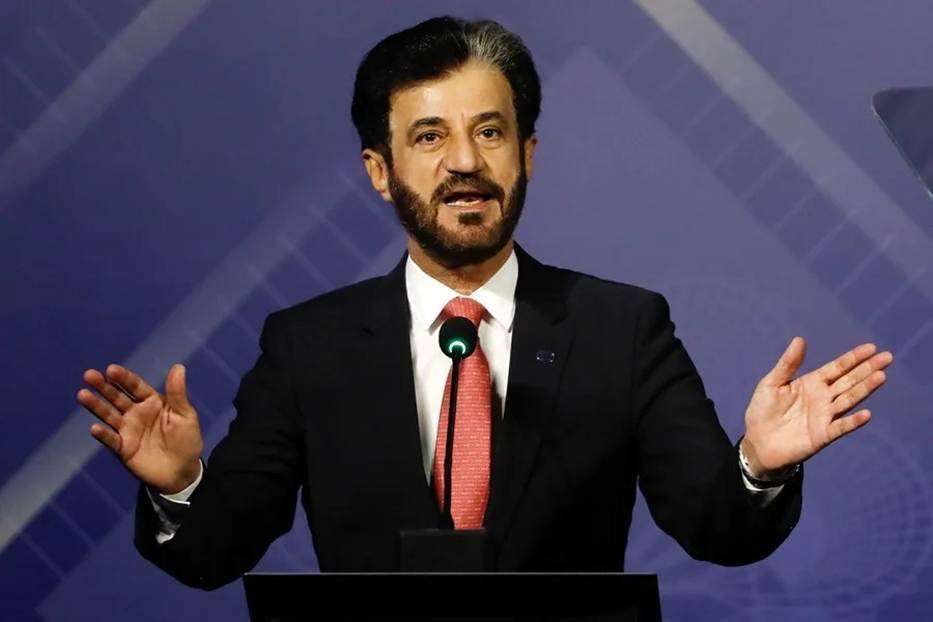
The Buenos Aires track is undergoing a sweeping renovation meant to return it to international relevance, first through a MotoGP race next year and, if politics, money, engineering, and Formula One’s crowded calendar align, through the Argentine Grand Prix. Mohammed Ben Sulayem, president of the International Automobile Federation, visited the circuit and said the country was moving in the right direction.
His timetable was cautious. A place on the 2027 calendar would come too soon, he said during the FIA American Congress in Buenos Aires. The more realistic window is 2029 or 2030. Formula One already has more interested cities than available weekends, and modern hosting agreements demand more than a famous name and a resurfaced straight.
Still, Ben Sulayem offered what Argentine officials wanted to hear: full FIA support. He also met President Javier Milei and spoke with the confidence of a man who understood the promise’s emotional weight. A country this large, he suggested, should not be encouraged without serious intent.
For Argentines, Formula One never felt entirely imported. The local story predates the world championship, stretching through the Costanera, Retiro, and Palermo circuits of the 1930s and 1940s. European drivers crossed the Atlantic for the South American Temporada, while Argentine racers learned against them before packed crowds. Then came Juan Manuel Fangio.
Fangio’s five world titles made speed part of Argentina’s international identity during an era when the country imagined itself as an industrial, sporting, and cultural power able to stand beside Europe. The purpose-built Buenos Aires autodrome opened in 1952 and, in 1953, hosted South America’s first Formula One championship race.
That debut also carried a warning. An estimated 400,000 spectators overwhelmed the facility. People stood dangerously close to the racing line. A crash killed nine and injured many more. The Grand Prix was born in mass enthusiasm and institutional insufficiency, a combination that would shadow its history.
The Calendar Remembers Every Failure
Argentina’s previous Formula One eras ended for reasons larger than racing. After Fangio and José Froilán González retired, political instability following Juan Perón’s overthrow helped push the event off the calendar. It returned in the 1970s around Carlos Reutemann, another driver who turned Sunday afternoons into national appointments.
The No. 15 configuration sent cars around the lake at extraordinary speed. Yet maintenance lagged behind ambition. In 1980, drivers threatened a boycott as asphalt broke apart under heat and the suction of ground-effect cars. Gravel scattered across the racing line while the race continued.
By 1982, politics intervened again. Sponsorship problems, domestic instability, and the war with Britain over the Malvinas made an Argentine race untenable in a sport dominated by European, especially British, organizations. Formula One did not return until 1995.
That revival looked modern but felt diminished. Organizers used the short, twisting No. 6 configuration, criticized for limiting overtaking and excluding the lake section that had given Buenos Aires its character. Damon Hill, Jacques Villeneuve, and Michael Schumacher won there, but financial trouble defeated the project. The 1998 race became the last.
This history explains why a 2029 date cannot be treated as a scheduling announcement. Argentina has repeatedly possessed the audience, drivers, and mythology. What it has not consistently sustained is the institutional machinery beneath the spectacle.
Modern Formula One requires circuit certification, safety systems, paddock facilities, transportation, broadcasting, and annual fees that can strain public budgets. A race may generate tourism and exposure, but benefits can cluster around hotels, sponsors, and premium visitors while the state carries much of the risk. Argentina must show the project can survive inflation, elections, and changes of government.
Colapinto Turns Nostalgia Into Urgency
Franco Colapinto gives the campaign something every revival needs: a living face.
Milei invoked the Argentine driver while opening the FIA congress, inviting the country to imagine Formula One returning with one of its own on the grid. The image links Fangio and Reutemann to a generation that knows racing through streaming platforms, social media, and global celebrity.
But Colapinto’s career and the race proposal run on different clocks. A driver’s seat can disappear in a season. A circuit renovation, commercial agreement, and calendar opening may take years. Building a national project around one athlete would be emotionally powerful and strategically fragile.
The MotoGP event will therefore serve as more than entertainment. It will test whether Buenos Aires can manage crowds, transportation, safety, international teams, and the expectations of a global championship. Success would give the FIA evidence. Failure would revive old doubts.
Ben Sulayem also spoke of returning the World Rally Championship, which has been absent from Argentina since 2019. Together, Formula One, MotoGP, and rally form a bid to restore the country as South America’s motor-racing capital. Brazil currently holds the region’s dependable Formula One place. Argentina would compete for tourism, sponsorship, and continental prestige.
The dream is plausible because the history is real. It is dangerous for the same reason.
Argentina does not need another brief comeback polished for television and abandoned when invoices arrive. It needs a circuit worthy of its memory, a contract the public can scrutinize, and financing strong enough to outlast political enthusiasm. Formula One could return in 2029 or 2030. The harder achievement would be making sure it remains.
Also Read: Argentine Soccer Says Goodbye as Messi Leaves the Eternal Stage