Peru’s New School Rules: Can Dress Codes, Phone Bans, and Discipline Curb Violence?
After a family reported a rape on a Lima school bus, Peru gave principals new discipline rules covering expulsion, cellphones, and makeup. An experiment in the country’s classrooms found that teaching witnesses to speak up helped keep children in school.
The Ride Home From a Tournament
On September 15, the soccer team at Lima’s Liceo Naval Almirante Guise was riding back from a tournament. The family of a 16-year-old boy says classmates raped him on the bus. A Lima family court ordered four months of pretrial detention for six teenagers under investigation. The Education Ministry took over the Navy-run school and will oversee it through December 2027.
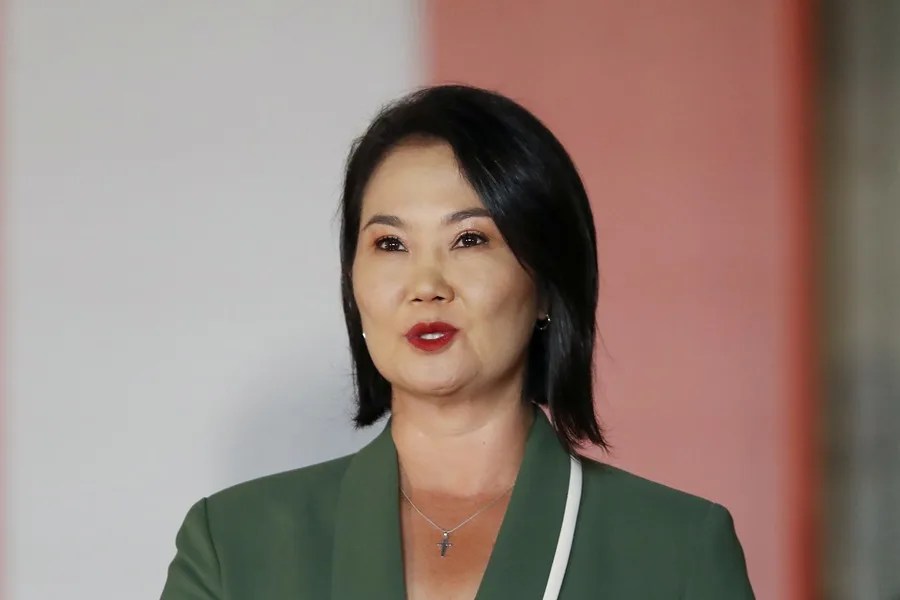
President Keiko Fujimori signed the discipline decree on November 7 at Alfonso Ugarte, the school her father, former President Alberto Fujimori, attended in Lima’s San Isidro district. Children have to learn limits early, she argued. By adulthood, she said, “it will be too late.” Education Minister José Antonio Chang said order had already returned to the naval school.
School staff must report suspected crimes immediately to police or prosecutors. Sexual violence is among the offenses that can warrant expulsion. Three suspensions in a school year can also trigger it, and three minor infractions in a two-month grading period can bring a suspension. Families have three working days to seek reconsideration. Local officials must offer the expelled student another public school place. If that school is across town, a family still has to find bus fare twice a day.
Separating the students while adults investigate can make it possible for the child who reported an assault to return safely. Routine suspension carries risks of its own. In North Carolina, school boundary changes let researchers compare children assigned to schools with different suspension practices. Those sent to stricter schools faced a higher risk of arrest as adults, according to a study in American Economic Journal: Economic Policy. A child sent home loses instruction and may spend the day without adult supervision.
What Gets Checked at the Gate
Peru already restricted classroom phone use in 2025. The new decree treats unauthorized use unrelated to schoolwork as serious misconduct and allows devices needed for documented health conditions or disabilities. A student who records an incident can still share the recording as evidence if they go to the principal or the authorities alone.
In four English cities, a study in Labor Economics found modest exam gains after secondary schools banned phones. The lowest-scoring fifth of students benefited most. The top fifth saw no measurable gain. A Swedish study in Economics of Education Review found no measurable improvement. Its authors suggested some teachers already kept phones out of lessons. A national rule buys little extra attention in a classroom where the phones were already in backpacks.
Fujimori also promised satellite internet for every school and more reading in class and over vacations. An earlier laptop trial in 318 rural Peruvian primary schools found increased computer use but no detectable advantage in math or language after 15 months, according to American Economic Journal: Applied Economics. In a Florida trial reported in Reading Psychology, children at high-poverty schools made modest reading gains after choosing books to keep over three summers. They took the books home on the last day of class.
The decree calls for boys to have trimmed hair and girls to have neat hair. In public schools, skirts must reach the knee, and makeup and dyed hair are forbidden. Private schools can set additional restrictions. An appearance violation counts as a minor infraction. Evidence that regulating appearance prevents violence is thin. A U.S. study of 6,320 elementary pupils in Early Childhood Research Quarterly found generally similar behavior in schools with and without uniforms. U.S. government auditors found that 44 percent of district dress codes allowed informal removal from class. Peru forbids turning students away over appearance. A girl sent to wash her face, though, can be marked present and still miss the start of class.
When a Classmate Speaks Up
Chile tested a Finnish bullying prevention program in 39 Santiago schools. Students practiced how to respond when a peer was targeted. A year later, children who received the version without an online game reported slightly less victimization than the comparison group. The full version showed no clear reduction in victimization. More schools using the version without the game sent staff to training, the authors noted in Prevention Science. How well adults were prepared may help explain the difference. The trial measured bullying. Whether such lessons can prevent sexual assault remains an open question.
In Peru, researchers randomly assigned 33 urban public schools to a campaign that taught students to stand up for classmates and report violence confidentially. Another 33 served as a comparison. Students became more willing to report what they saw. The next year, roughly two in every hundred participating students dropped out, compared with three in every hundred in the comparison schools. All 66 schools already had internet access, which matters if rural children are expected to use the same reporting channel.
Between January and August, Peru’s SíseVe system received 11,805 reports of school violence, including 2,059 involving sexual violence. Those figures include allegations against adults on staff. A rise in complaints could reflect greater trust in the adults receiving them. Privately asking students whether harassment continued would help explain the numbers. For a parent sending a child back to school, another entry in the log might matter more. Who called the family, and what did they arrange for the ride home?