Mexico Explores Silver Nanoparticles for Pet Cancer, One Paw at a Time

An aging dog’s renewed walks offer Mexico a glimpse of experimental cancer care’s possibilities. UNAM scientists are testing silver nanoparticles in pets, but eight patients and promising lab findings still leave major questions about safety, effectiveness, and everyday affordability unanswered.
An Old Dog Gets Her Walks Back
Eduardo Cuevas wanted a second opinion. His 14-year-old mixed-breed dog, Ody, had a tumor in her shoulder blade, and veterinarians were recommending amputation. Another consultation confirmed the diagnosis. Later, cancer appeared in her lungs. Her remaining time was estimated at one or two months.
Then, during a clinic visit, Cuevas noticed a report about experimental treatment with silver nanoparticles. The research would take place at the same clinic where Ody received care. He asked whether she could participate.
According to Cuevas’s account to UNAM Global, veterinarian Norma Elvira Díaz Ramos initially questioned whether Ody qualified. She eventually entered the protocol in April 2026 and received the lowest dose daily.
By August, after four months, scans reportedly showed no further progression. The cancer remained, including the disease in her lungs. But Ody had recovered some mobility.
“We’re going out for walks again; she’s more active,” Cuevas told UNAM Global.
For his family, that change means more than any laboratory measurement can capture. Their elderly companion could once again do something she enjoyed. For researchers, it raises a question that needs more evidence: how reliably can the treatment produce that benefit?
The project brings together the National Autonomous University of Mexico’s Center for Nanosciences and Nanotechnology and university collaborators in Baja California and Guadalajara. They are investigating Argovit, a silver nanoparticle formulation, against cancers in dogs and cats.
At this scale, a material’s behavior depends on its size and structure. The researchers’ challenge is to make particles that damage malignant cells while limiting harm to healthy tissue. The coating surrounding silver particles matters, too; laboratory research suggests it helps influence their stability and biological effects.
For families, the practical test will be whether any effect on a tumor translates into comfortable days at home.
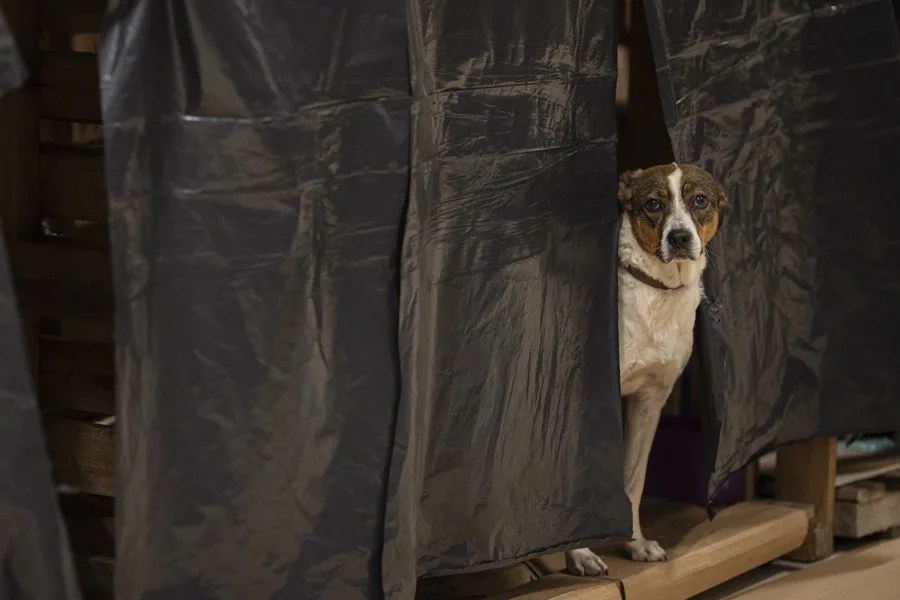
Eight Patients, Much Bigger Claims
UNAM reports eight animals enrolled, with improvements observed in all. Its account does not provide a comparison group, standardized response measurements for each patient, or enough follow-up to establish how long the benefits last.
Eight improvements are encouraging. They cannot yet tell a veterinarian what to expect from the next patient.
The group includes different cancers and both species. A response in one dog’s bone tumor cannot establish effectiveness against a cat’s lymphoma. Likewise, surviving beyond an estimated prognosis does not prove how much extra time a drug provided; prognoses are estimates, not experimental controls.
The most spectacular number needs especially careful handling.
A 2025 paper in the Journal of Nanoparticle Research describes certain Argovit formulations as two to 200 times more active against seven cancer cell lines than 16 other silver nanoparticle formulations discussed in the literature. The reported average was 52 times.
That comparison concerns laboratory inhibition of cell growth. It does not demonstrate that Argovit treats pets 200 times better than chemotherapy, extends survival by that factor, or cures cancer.
The paper also traces Argovit’s veterinary history to gastrointestinal applications registered in 2000. The cancer work investigates another use for an existing family of formulations.
Safety requires similar precision. Researcher Nina Bogdanchikova describes the formulation as having no toxicity or side effects. That remains a claim requiring systematic clinical verification. Small samples and limited observation can miss uncommon complications or harm that emerges after prolonged treatment.
Earlier work in Pharmaceutics reported low toxicity in mice under tested conditions, alongside minor organ changes. Those findings support further investigation; they cannot establish universal harmlessness across formulations, doses, and species.
For Ody, Díaz Ramos’s wording was narrower and more meaningful: “We are not eliminating the cancer,” she told UNAM Global.
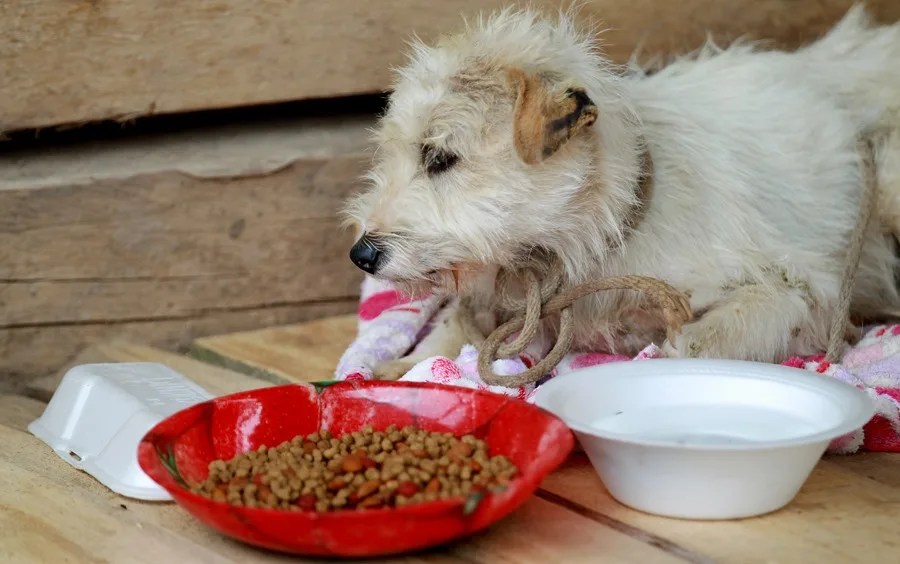
A Treatment Must Reach the Family
The need for better care is substantial without inflating the numbers. The American Veterinary Medical Association estimates that roughly one in four dogs develops cancer during its lifetime. Cats also develop cancer, but these canine estimates cannot simply be assumed to apply to feline patients.
Mexico lacks a national veterinary oncology registry, according to the Metropolitan Autonomous University. That gap makes it harder to measure the burden or know how representative a clinic’s patients are.
The potential audience is enormous. Mexico’s statistics agency, INEGI, found pets in 69.8% of households in its 2021 wellbeing survey. Dogs and cats numbered about 60 million combined.
Reaching even a fraction of those families would require an affordable treatment.
Argovit’s clinical promise will eventually face the household budget. The protocol includes repeated imaging, blood tests, and veterinary consultations. UNAM’s account gives no treatment price or evidence that families could afford this monitoring outside research.
Conventional care also deserves a fair comparison. Veterinary chemotherapy generally produces fewer and milder side effects than human chemotherapy, the AVMA notes. Protecting comfort is already central to animal oncology; experimental treatment must demonstrate what it adds.
The Mexican collaboration matters because it connects laboratory questions with animals already receiving care. Its next task is to turn individual improvement into evidence that veterinarians and families can use.
Human treatment remains a future ambition. For now, the most persuasive image belongs to an old dog whose cancer has not disappeared, walking again beside the person who kept looking for another possibility.