Mexico City Builds Skyward. Xoco’s Indigenous Community Fights to Save Its Place in the Sun
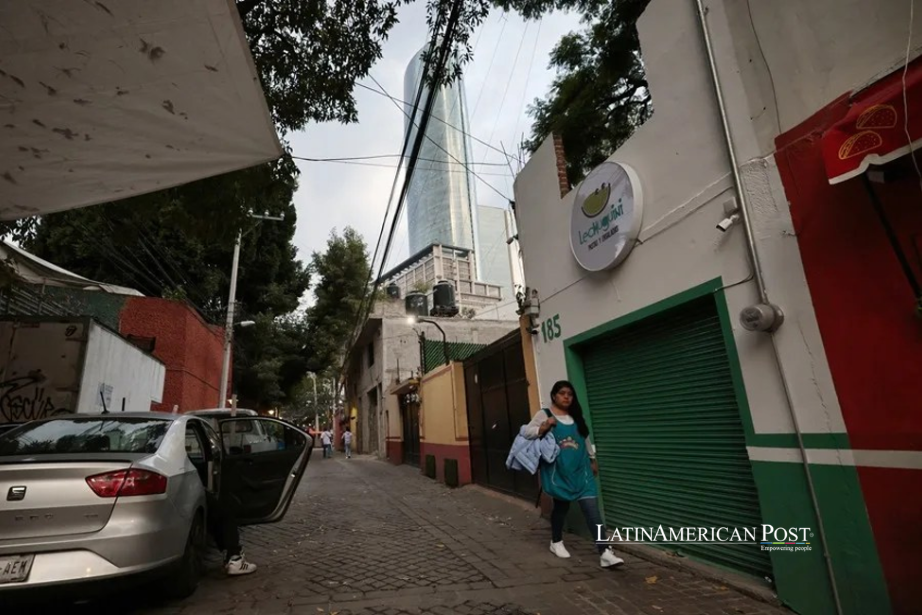
Beneath the towers of Mexico City, Xoco residents fighting gentrification have evidence of a village 1,700 years old. Whether their grandchildren can afford to stay is a question a property tax bill may answer long before a judge ever does.
What a Cistern Turned Up
A small stone figure turned up at Julia Adoración Torres’s house in Xoco. Somebody had been digging a cistern. Torres, 79 and a lifelong resident, showed EFE a photograph of the find. Beside her, Carmen León held photographs of archaeological discoveries in the village. She wanted somebody to tell her where the objects in those photographs were now.
In 2023, specialists at two of Mexico City’s public universities put together an anthropological assessment of Xoco. Beneath lots now occupied by residential and commercial towers, excavators found traces of buildings and pottery from a village associated with Teotihuacan. They documented evidence of fifteen burials from that period and a sixteenth from the later Toltec period.
León wants a museum on the site. A visitor to Cusco, Peru, can walk beside Inca stonework on a city street. In central Mexico City, visitors to the Templo Mayor can see objects close to where archaeologists unearthed them. A child growing up in Xoco could make that same connection between a piece of pottery and the street outside. Officials have met with residents to discuss the idea, León told EFE. She is still waiting for an answer.
Álvaro Antonio Rosales, the assembly president and Xoco’s legal representative, told EFE that residents needed the assessment to document their history as a pueblo originario, an Indigenous community with roots here before the Spanish conquest. “We’ve been living here for more than 1,200 years,” he said. Over more than fifteen years, residents have organized their assembly and filed four amparos, petitions asking a court to protect their constitutional rights. The construction has continued.
When Staying Put Costs More
As Latin American capitals grew, villages could become city neighborhoods without anybody packing a single box. That history matters when a developer seeks a permit. An owner speaks for a parcel of land. An assembly can speak for the people on both sides of a property line who draw on the same water supply, walk the same narrow street, and will have to live with whatever the city approves.
Rosales described dispossession to EFE as something that could happen without police ever coming to the door. Residents report increases of more than 800 percent in some property tax bills. For every 100 pesos a household used to owe, an increase on that scale would take the bill past 900 pesos. A house can be worth far more than a family paid for it. To spend that gain in full, the owners have to sell the very place they’re trying to keep.
Parents across Latin America who have spent years paying for or building a home may also be counting on having family close by in old age. Julia Torres said that shops and services in Xoco have grown more expensive and that younger people are making their lives elsewhere. An eviction count would miss a daughter who once expected to raise children near her parents and now has to look clear across the city for a place she can afford.
Rosales also spoke of going without water. When a tap runs dry, somebody has to find another source, bring water home and make it last. Hours spent on that job never appear on the property tax bill. A city can collect more from a piece of land even as it becomes a harder place to wash dishes or bathe a child.
The View From the Courtyard
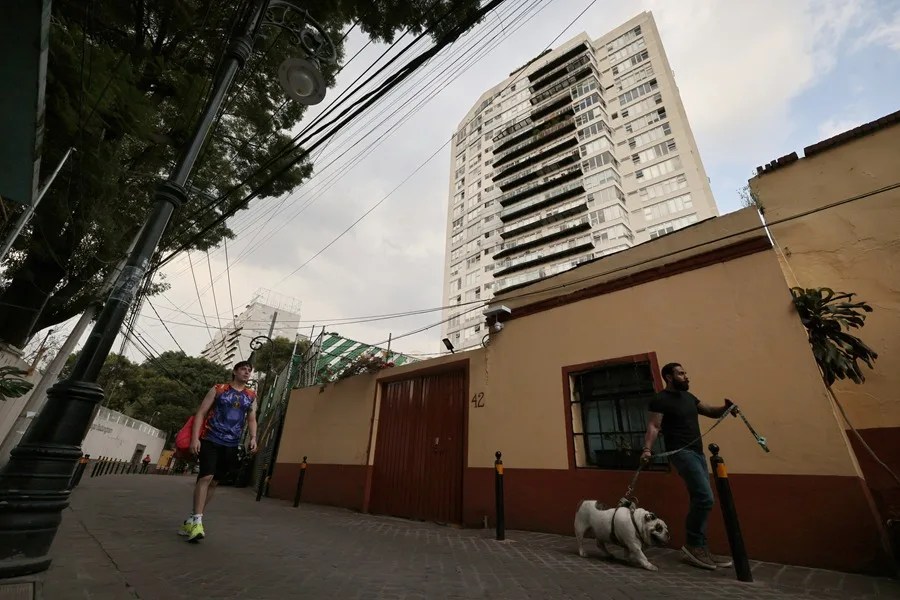
One night a resident who asked EFE to withhold her name heard a noise in her courtyard. She thought someone was breaking in. A bottle had landed there. Eggs and a golf ball have also come down into her yard, she said. She has kept photographs and filed complaints. From the ground, she cannot identify which floor the objects came from. Without that detail, she said, her complaints have gone nowhere.
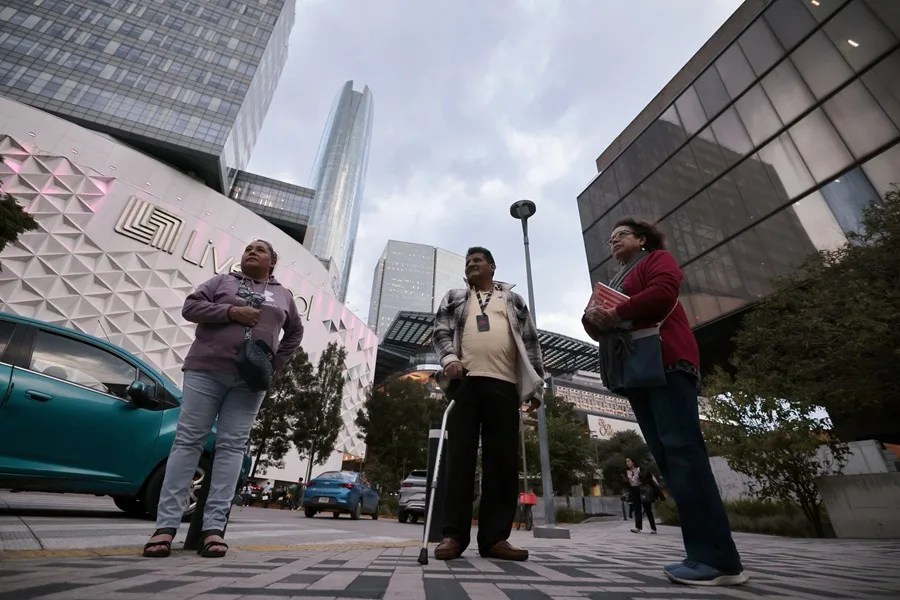
Walking through Xoco with EFE, Rosales pointed to the glass facades of buildings including Mítikah. In the reflected glare, he said, residents feel more heat. At the same time, the towers cast some homes into shadow. He calls what his neighbors are losing their “right to the sun.” A buyer upstairs can put a price on the view. The neighbor whose house falls into shadow has no say in that transaction.
On the walk, residents showed EFE streets thick with cars and sidewalks narrowed by obstacles. Julia Torres pointed out what makes her own street, in her words, “very dangerous.” It curves in an S. A person who has lived there for a lifetime still has to guess, when she steps off the curb, whether a driver is coming around the bend.
María Luisa Torres, 72, told EFE that many older neighbors might eventually have to leave because they could no longer afford to live here. Beside her, Rosa María Marín agreed about the ages of the people who had kept the assembly going through four court petitions and all those meetings. She had something to add. “But here we are, still in this fight.”