Venezuelan Twins Left for College Together. Now They Face Separate Immigration Hearings
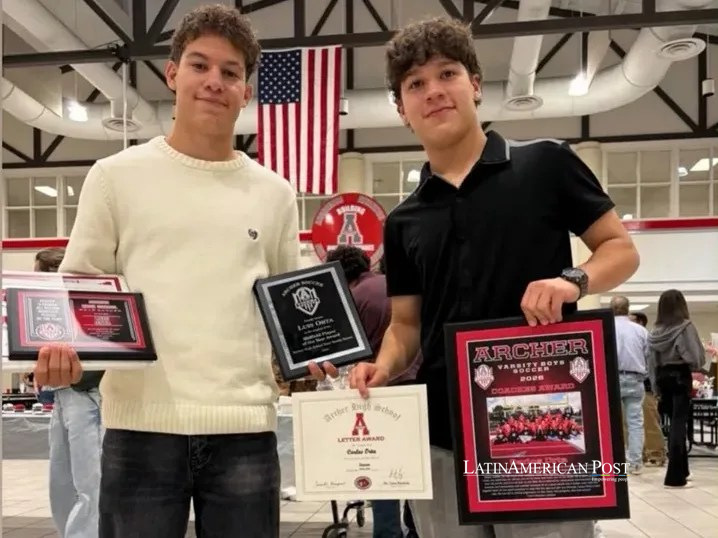
A traffic stop in Alabama put Venezuelan soccer players Luis and Carlos Orta Santoro in immigration detention. Their father believed the papers that let his sons work and drive meant they could stay while the family awaited an asylum decision.
The License Luis Handed Over
Reyna Santoro’s sons were in good spirits on the phone. They had been home to see the family in Georgia. They were headed back to Wallace State Community College in Hanceville, Alabama, where both 19-year-olds have scholarships and play on the soccer team. It was November 4. Luis was at the wheel when a patrol officer pulled them over for an alleged traffic violation.
In the account their parents gave EFE, Luis handed the officer his Georgia driver’s license. The officer told the brothers they were undocumented and arrested them both. “They’re good kids who haven’t done anything wrong,” their father, Carlos Enrique Orta, said as Santoro tried to hold back tears. “There’s no reason they should have been shackled hand and foot and now be in jail.”
In less than a week, the brothers passed through at least five jails, Orta said. From Georgia, their parents faced the prospect that even if they knew where their sons were in the morning, the information could be wrong by nightfall. By the time their father spoke to EFE, the brothers were in Louisiana. “They’re trying to hold up, but they’ve broken down,” he said.
What a Work Permit Meant at Home
The family entered the United States on tourist visas in June 2022 and applied for asylum. Orta said his life would be in danger in Venezuela. While their application was pending, the family received work permits, Social Security numbers, and driver’s licenses. They paid the fees they were asked to pay. What never came, Orta said, was any notice that the government considered his sons to be in the country unlawfully.
“If a government agency issues you a work permit and a driver’s license, my understanding is that you’re here legally,” Orta told EFE. He knew the family would still have to explain what had driven them from Venezuela. They had been waiting for a chance to do exactly that. In the meantime, two boys who had depended on their parents to bring them to the United States had grown old enough to drive themselves across a state line for a visit.
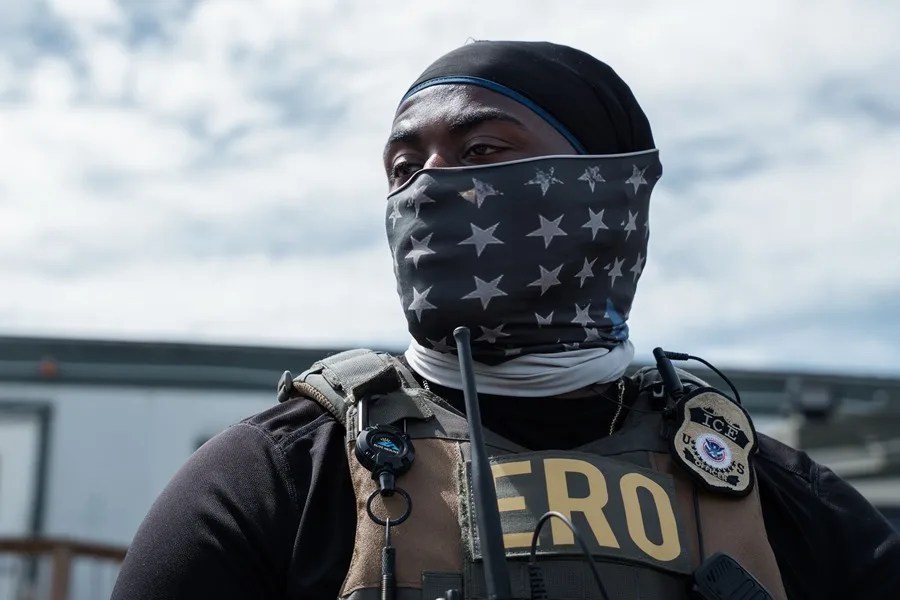
Asked why the twins had been detained, a Department of Homeland Security spokesperson told EFE that both had entered legally and stayed past the period authorized for their visit. The spokesperson said a pending asylum application conferred no legal immigration status. Federal officials had authorized the family to work, and Georgia had authorized Luis to drive. For immigration officers, the date that mattered was the one set for the boys’ departure when they first arrived as visitors.
Fernando Romo, an immigration lawyer who does not represent the family, told EFE that people who entered as visitors and later sought asylum had come under particular scrutiny. In August, the State Department said it would revoke visas in that category. An estimate cited by EFE put the number that could be canceled as high as 200,000.
The estimate counts travel documents. One household can account for several visas and a single asylum application, as the Orta Santoros illustrate. Even if cancellations reach 200,000, the tally will tell the public little about how many families have someone in detention. For the Orta family, telling the government they were afraid to go back was the first step in seeking protection. Under the August policy, that step puts visitors’ visas at risk of cancellation.
The Decision Their Father Made
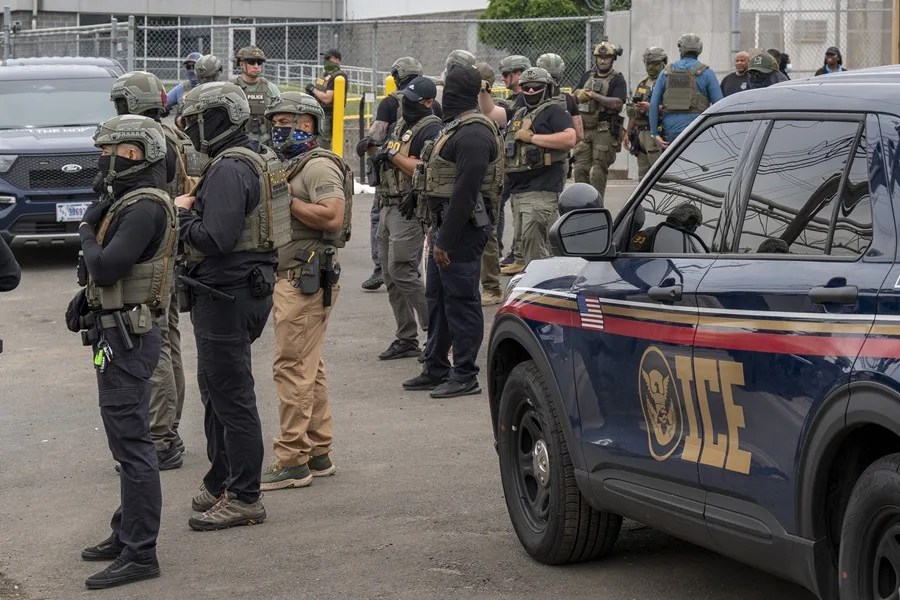
More than four years passed between the family’s arrival and the traffic stop. Luis and Carlos would have been about 15 when they came to the United States, old enough to remember the move and young enough to have little say in it. Orta says the decision to bring them here was his to answer for, as was the decision to ask for asylum. In Louisiana, each son was scheduled to appear at his own immigration hearing.
Romo said young adults appearing on their own can be at a disadvantage when their claims turn on a danger their parents faced. The person best placed to explain why Orta feared for his life is Orta himself. His sons could give a faithful account of leaving Venezuela and still have little firsthand knowledge of what made it dangerous for their father to stay. Each brother will have to tell an immigration judge what he knows.
Homeland Security told EFE that an immigration judge would consider the brothers’ arguments and that both would receive due process. For their parents, the immediate hope is bond. A judge could allow Luis and Carlos to prepare for court outside detention while the asylum question remains open. The family would still have to explain why it fears a return to Venezuela. The difference would be where the boys slept that night and whether their parents could sit down beside them to talk.
Back in Hanceville, the people at Wallace State have had a chance to see what each young man can do. There is a scholarship for Luis and a scholarship for Carlos. Both earned their spots on the college soccer team. Orta would like whoever hears his sons in court to consider them in that light; he told EFE, “as people who are going to be good for this country.”