Mexico and Bolivia Lose Measles Elimination Status as Guatemala Watches the Calendar
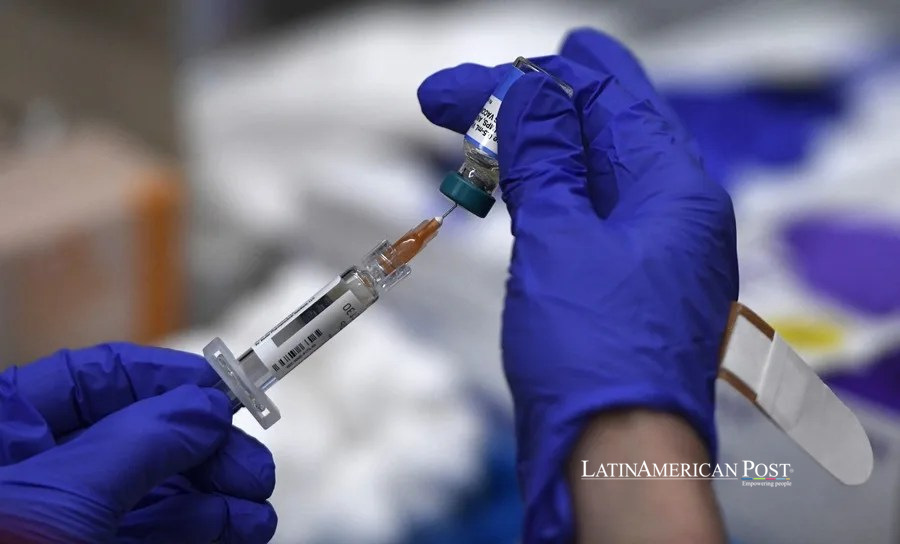
Guatemala has recorded nearly 35,000 measles cases and still holds the designation that Mexico and Bolivia lost. Across Latin America, from downtown Guadalajara to Colombia’s Amazon border, health workers are trying to find each new case before another family falls ill.
Three Lines at Plaza Universidad
Jazmín Gutiérrez had a trip coming up and couldn’t remember whether she’d had all her shots. In downtown Guadalajara in February, nurses were directing people into three lines outside the Plaza Universidad light rail station. The measles shot was free, and the stop was convenient, Gutiérrez told the local newspaper El Informador. Then there were the kids. “Everyone at home got vaccinated for my nephews,” she said. One was in second grade, the other in third.
At the same plaza, Ricardo Gómez, an office worker who rarely spent time around children, said getting his shot took less than five minutes. Jalisco, whose capital is Guadalajara, would account for more than half of Mexico’s measles cases through October. Putting nurses outside a train station spared people like Gómez a separate trip to a clinic.
By November 13, Mexico had just six active cases. A dozen states had gone at least 12 weeks without recording one. On Tuesday, November 17, the Pan American Health Organization withdrew measles elimination status from Mexico, Bolivia and the United States. The ruling reflected how long each outbreak had lasted. A country loses its designation when investigators establish that the same chain of infections persisted for at least 12 months. Mexico crossed that threshold in February, Bolivia in April.
The United States counted 5,412 cases by November 12, more than double the 2,289 recorded in 2025. Two more deaths, in Pennsylvania and Wisconsin, brought the toll reported by states to ten. Canada lost its designation in November 2025, taking the hemisphere’s with it. The Americas first eliminated endemic measles in 2016 and regained that distinction in 2024, when Brazil won back its certification.
Guatemala’s Youngest Patients
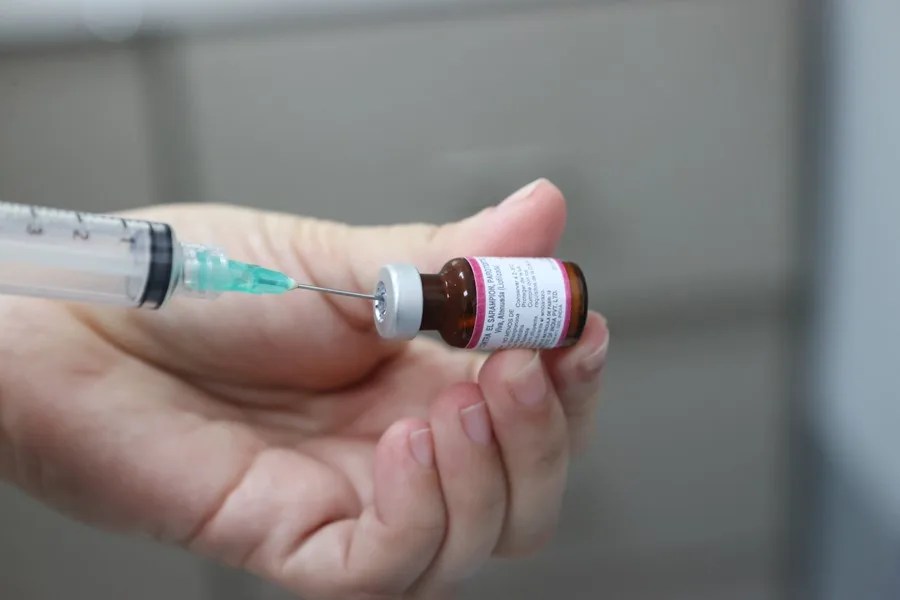
By early November, Guatemala had counted 34,860 cases, Mexico 13,796 and Peru 2,928. Together they accounted for nearly nine of every ten cases in the Americas. The hemisphere’s total stood at 58,213, more than four times the count a year earlier. Guatemala alone accounted for roughly six in ten, and 53 people had died there. It kept its designation because the outbreak began in December 2025. There was still time to break the chain before its first anniversary.
At Guatemala City’s San Juan de Dios hospital, a baby girl with measles spent 22 days in pediatric intensive care. She needed a ventilator to breathe. She recovered. Among Guatemalan measles patients under a year old, 0.55 percent died, nearly four times the share among measles patients overall. Yet 62 percent of the people who fell ill were between 15 and 39.
A campaign limited to schools and pediatric clinics would have missed many of the adults getting sick. In the highland department of Quiché, teams went house to house during a September drive that reached 221 communities in one day. In Izabal, staff at the Champona health post worked with parents, community leaders and Honduran health officials to identify people missing doses along their shared border. Elsewhere in Central America, Costa Rica had reported five cases through October and Panama nine—both retained elimination status.
Where the Chain Breaks
Bolivia’s health minister, Marcela Flores, said President Rodrigo Paz’s government spent more than $11 million on vaccines and reached 2.4 million children, adolescents and young adults. She criticized the early response under former President Luis Arce and put the decline at 83 percent, from 444 cases in all of 2025 to 76 so far this year. The Pan American Health Organization had already listed 125 Bolivian cases by October 31. The two counts disagree, and the minister’s comparison sets an unfinished year against a full one.
Flores offered a local measure of progress. Of 45 Bolivian municipalities that had reported measles, 42 had gone at least three months without a confirmed case. The three still under watch were La Paz, El Alto and Santa Cruz de la Sierra. Together they were home to more than three million people at the last census, over a quarter of the country. A tally of municipalities gives Santa Cruz, Bolivia’s largest city, the same weight as any small town on the list.
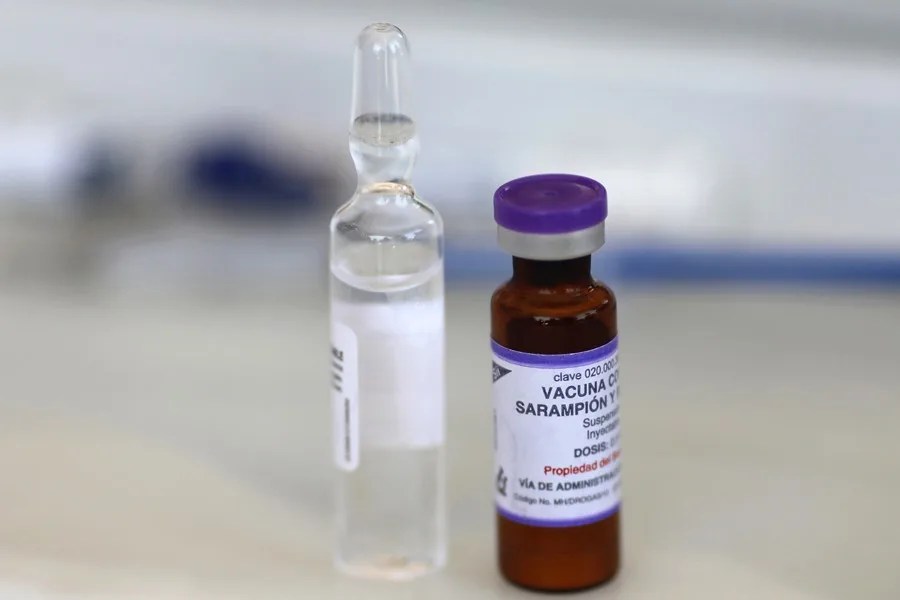
Jarbas Barbosa, the regional health agency’s director, put the target at 95 percent vaccination coverage with two doses in every community. A national tally of doses delivered cannot tell a family how many children in one classroom have had both shots. In 2025, an estimated 1.6 million one-year-olds across the Americas had yet to receive their first.
Peru still holds elimination status. Its southern department of Puno accounted for more than half its cases through October. Farther north, infections in the Amazon region of Loreto reached Colombia. Brazil also traced outbreaks in Amazonas and Acre to cases from Peru. Brazil and Colombia kept their designations.
In Leticia, on the Colombian side, two children under five received care after catching measles in Peru. Neither had a measles vaccination on record. Health workers followed 153 contacts and gave 494 shots in neighborhoods around the cases. Colombia’s health ministry reported back on October 30. Investigators had found no one else in Colombia who had caught the virus from either child.