Can the Dominican Republic Measure What Its Haiti Border Fence Keeps Out?
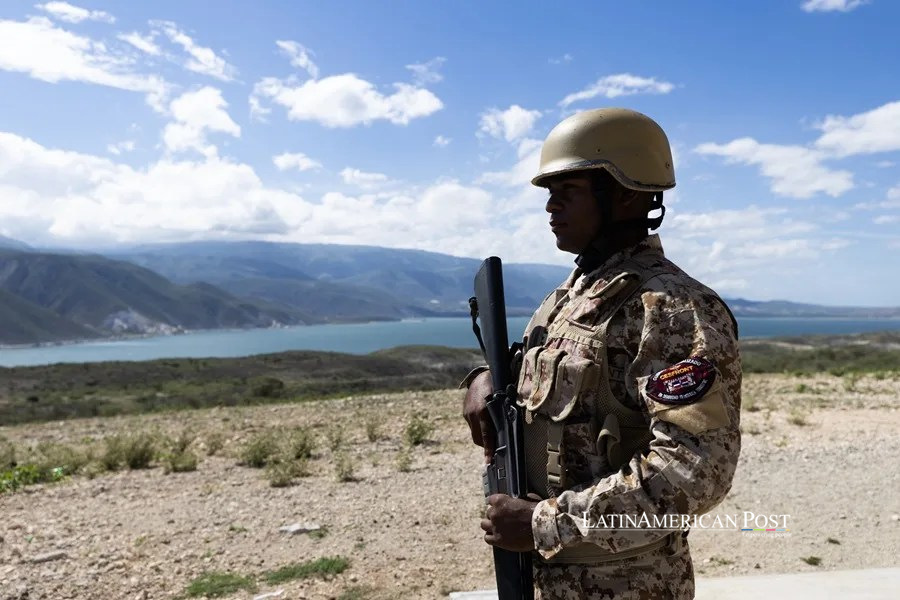
At Jimaní, the Dominican Republic’s new border fence faces a Haitian town on a lake. Traders come through to earn a living. The general in charge says he has seen no sign of the gang crossings his soldiers guard against.
Goats in a Military Zone
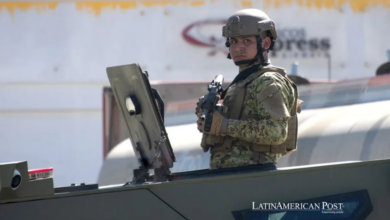
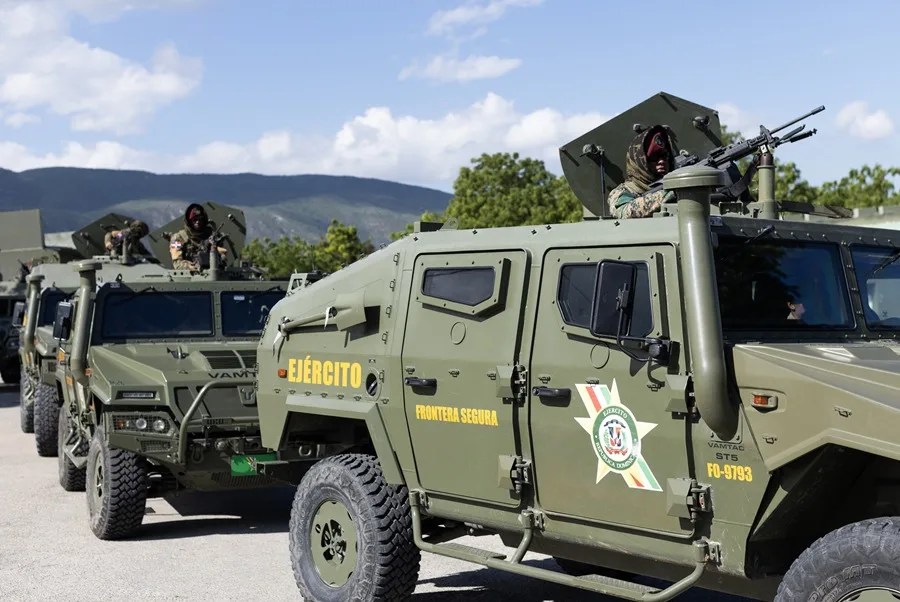
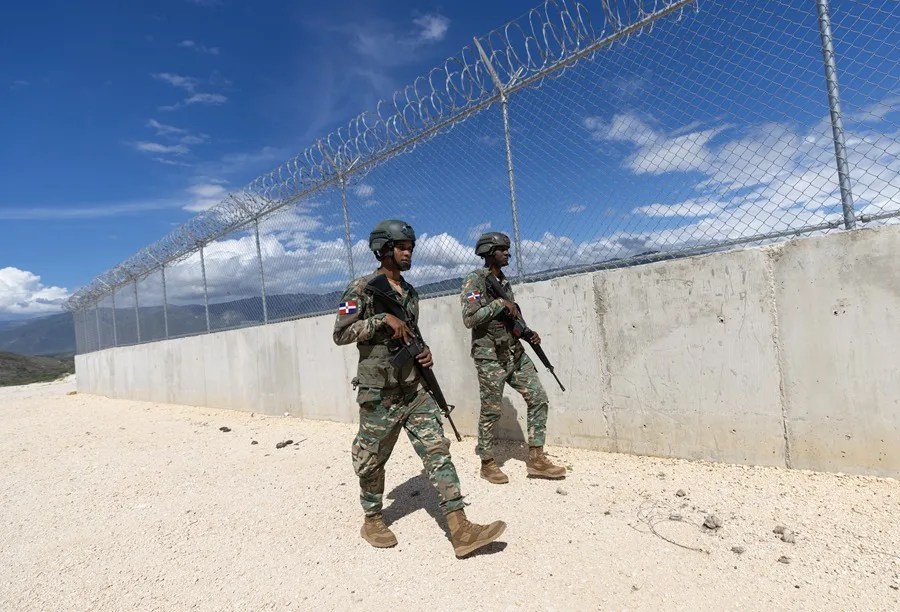
Goats were picking leaves off the shrubs beside the fence. On the dusty road, Dominican special forces soldiers rode past in dark glasses, scarves drawn around their faces against the sun. During a visit to this dry stretch of Independencia province, EFE saw little else moving alongside the concrete and metal mesh topped with barbed wire.
Across the way lies Fond Parisien, a Haitian community on the shore of Lake Azuey. Brig. Gen. Freddy Rafael Soto Thormann, commander of the Dominican Army’s Fifth Infantry Brigade, described the salt lake to EFE as a “natural border.” The water had been doing some of the work long before anyone poured the concrete. “The border is reinforced and calm,” he told EFE.
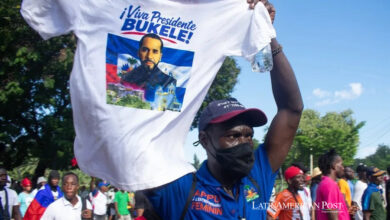
Port-au-Prince lies roughly 37 miles west of Jimaní. Croix-des-Bouquets, where gunmen ambushed four Salvadoran members of the international Gang Suppression Force on October 18, is closer still, about 28 miles away. A month later, the four remained missing. Salvadoran President Nayib Bukele had sent some 2,000 troops to Haiti, and a mission to bring four men home had grown into an operation against the gangs.
For Bukele, facing an election at home, the deployment carried his reputation for taking on gangs beyond El Salvador. Soto Thormann had a more local concern. He told EFE he knew of no attempt by anyone linked to the gangs to cross the border in his sector. He identified Port-au-Prince and the Haitian department of Artibonite as centers of gang activity. His soldiers, he said, were ready if the violence reached Jimaní.
Two Miles in Every Five
Dominican President Luis Abinader’s fence was already years in the making when the Salvadorans disappeared. The project dates to February 2021 in northern Dajabón province. One section was already in place by October 2023. Abinader wanted tighter control over immigration from Haiti. When Dominicans debate the fence today, a president’s decision about migration five years ago and an ambush one month ago are both part of the argument.
The two countries share 391 kilometers of land border on the island of Hispaniola, about 243 miles. The finished fence is supposed to cover 160 kilometers, roughly two miles in every five. Much of it is planned for populated areas. That choice puts the barrier where people on either side already have the most occasion to meet, including those who have every right to do business together.
At Jimaní, eight of the planned 22 kilometers are finished, and the remaining 14 are under construction, Soto Thormann told EFE. That puts this section a little over a third of the way to completion. His brigade, meanwhile, is responsible for 145 kilometers of frontier, from Pedernales on the Caribbean coast to the Sierra de Bahoruco. When the general describes a quiet border, he has considerably more country in his charge than the five miles of finished fence at Jimaní.
The Dominican government says the barrier has produced “tangible results” in curbing smuggling and irregular migration. The statement, as quoted by EFE, gave figures for neither. Even seizure totals would take some interpreting. More confiscated merchandise could mean more contraband was moving, or that inspectors had gotten better at finding it. If gangs have their own reasons to stay in Haiti, the scene from Jimaní would look much the same as if the fence had persuaded them to stay away.
The People Who Need to Cross
The government calls the structure a “smart perimeter fence.” Cameras and drones help soldiers watch it. Officers of CESFRONT, the Dominican land border service, work alongside the army. Part of their job involves people who arrive with their papers in order and a buyer waiting for them. In a town that lives partly by trade, getting people through a legal crossing is as much a public service as keeping watch on the military road.
Time has a price in a border town. A Haitian seller can have permission to enter the Dominican Republic and still lose a sale if the buyer has to leave before the inspection is over. A daily tally would record one lawful crossing. By the seller’s reckoning, the trip may already have been wasted, and somebody on the Dominican side goes home without what they came to buy.
Civic groups raised a related concern with Abinader in a letter, asking him to respect the rights of Haitian migrants and their descendants. That last word extends the argument well beyond Jimaní. Someone born on the Dominican side to Haitian parents may never have crossed the frontier at all. What matters to that family is how it is treated in the country where it already lives.
From the road at Jimaní, a soldier can look across the water and see Fond Parisien. Croix-des-Bouquets is close enough that a Dominican commander has to think about four men still missing. Fond Parisien is close enough that a shopkeeper in Jimaní can have a regular supplier who lives in another country. The army can keep count of the miles it fences. The shopkeeper can tell whether the goods turn up on time.