Guatemala Counts Fewer Murders as Abandoned Bodies Tell a More Troubling Story
Guatemala’s homicide toll has edged downward, yet discoveries of wrapped, abandoned bodies have surged. Concentrated around the capital, the pattern exposes the limits of national security statistics and raises urgent questions about gang power, criminal investigations, and families left searching.
A Search Ends in Mourning
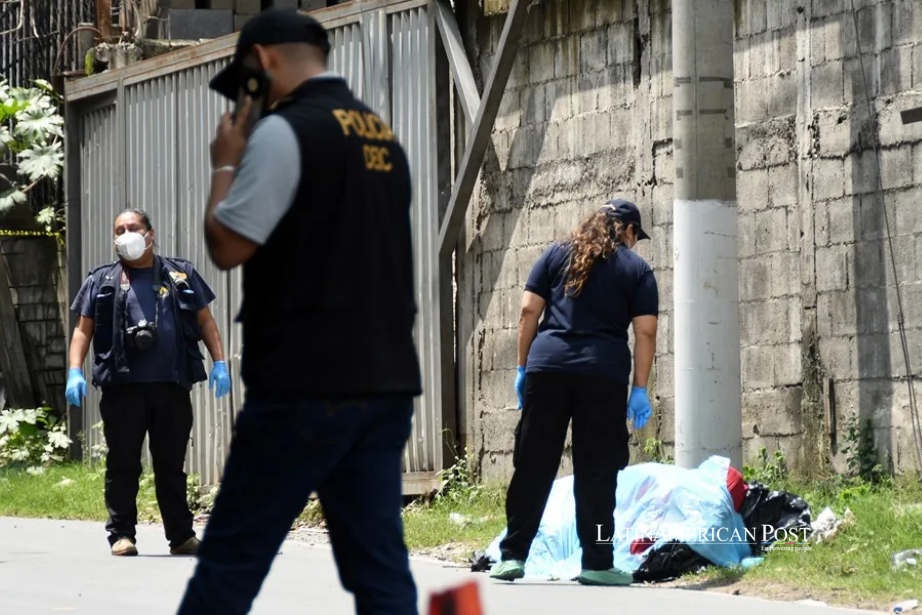
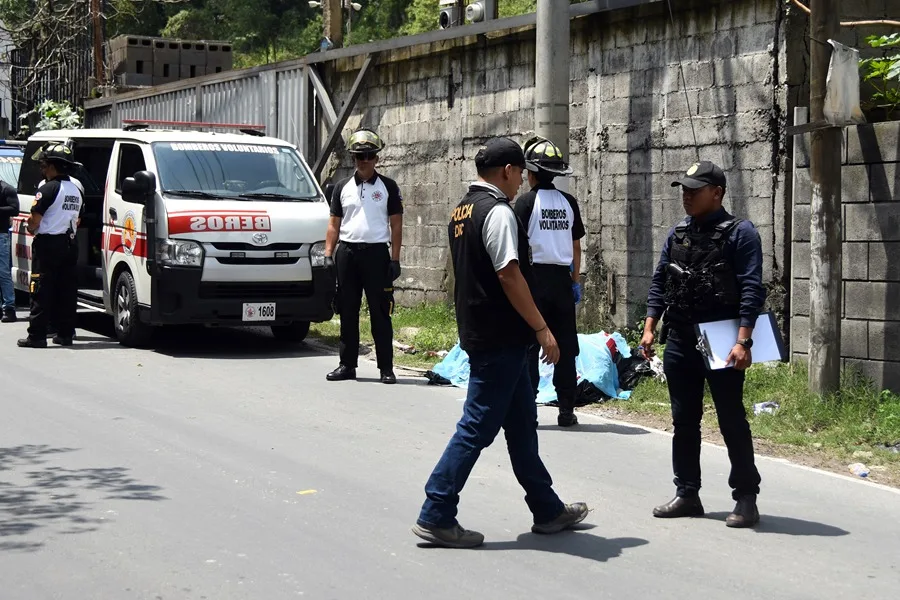
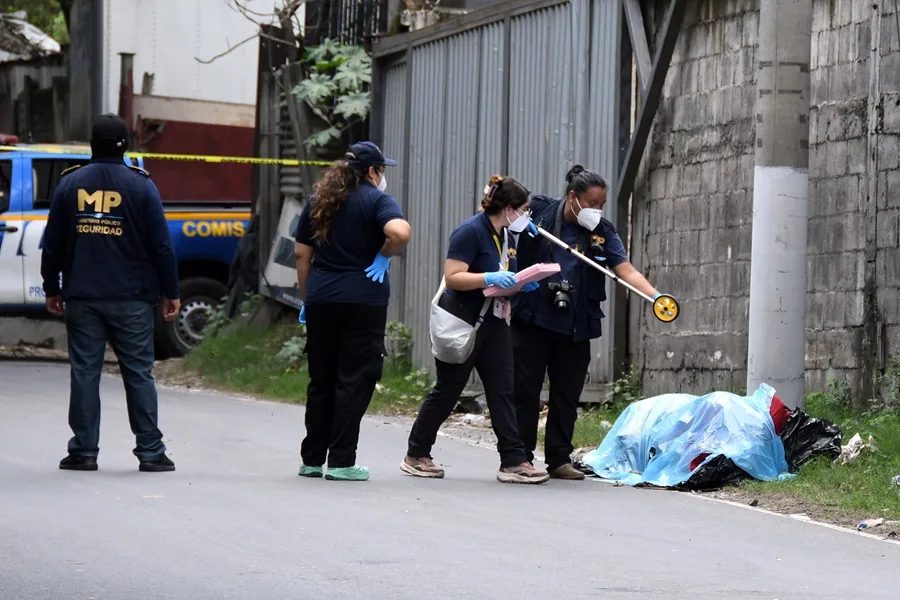
For 24 hours, the families searched. Two young people, ages 18 and 19, had been abducted from a soccer field. Their bodies were found wrapped in bags in southern Guatemala City in August, EFE reported. Relatives arrived at the scene, their search ending in grief.
That case gives human dimensions to a statistical pattern. Prosecutors recorded 137 discoveries of abandoned bodies through October, according to a report obtained by EFE. Police had counted 39 such cases during all of 2025.
The newer count is approximately three and a half times the older one, with 98 more records despite covering less than a full year. The comparison demands attention. It also needs consistent definitions: the figures come from different institutions, and the available reporting does not establish identical recording practices.
The prosecution breakdown lists 68 victims found in plastic bags, 53 in sheets and 10 in sacks, leaving six under other circumstances. Bags and sheets together account for 121 of the 137 entries, about 88%. That establishes a recurring disposal pattern, without proving a common killer or motive.
Bodies have appeared beside deserted roads and in urban areas. In late September, two were found bound and wrapped in plastic beside a road in Chinautla, near the capital. EFE reported that investigators were examining surveillance footage and had not identified those responsible.
For families, these are also searches interrupted by discovery. A recovery location supplies investigators with a starting point. Establishing where someone was abducted, killed, and transported may require reconstructing an entirely different geography.
Territory, Money and Internal Control
Police spokesman César Mateo told EFE that territorial rivalry was a principal investigative theory. He cited competition for the “control of areas used for the sale and distribution of drugs,” alongside what he described as internal gang “corrections.”
Those explanations identify two possible mechanisms. Fighting over retail drug markets protects income by excluding competitors. Punishment within a criminal organization enforces obedience. In the police account, violence serves both the business outside the gang and the hierarchy inside it.
Following money matters because police describe violence over drug-selling territory. If that explanation holds, identifying the people who finance and order killings becomes central to prevention.
That matters because an aggregate murder count cannot measure how firmly a group controls a particular neighborhood. Selective killings could reinforce local power even while deaths decline elsewhere. But the present data cannot establish that control has expanded, or that every abandoned victim belonged to a gang.
The strongest geographic finding is concentration. Guatemala department, which includes the capital, accounted for 105 of the 137 discoveries, approximately 77%. The remaining 32 were spread elsewhere. Cases reached 14 of the country’s 22 departments, making the pattern geographically extensive and heavily clustered.
That combination argues for an investigative response concentrated around the capital’s wider urban area, with coordination beyond it. It does not justify treating all affected departments as equally exposed. Nor can discovery locations alone establish where the victims lived or where the murders occurred.
The video evidence Mateo described is therefore consequential. Investigators are trying to reconstruct routes used to move bodies, connecting places that a map of discoveries alone would leave disconnected. Matching those routes with disappearance reports could help establish relationships between cases that similar wrapping cannot prove.
What a Falling Toll Conceals
The broader homicide figures offer a quieter, apparently contradictory development. The Citizen Security Coalition recorded 2,338 killings between January and September, compared with 2,397 during the same period in 2025. That is 59 fewer deaths, a reduction of approximately 2.5%.
Both trends can coexist. A particular pattern of body disposal can become more frequent while other forms of killing decline. Differences in discovery and classification may also affect the comparison. The figures do not establish which explanation accounts for the divergence.
The reporting periods also differ: discoveries run into October, while the homicide tally ends in September. Dividing 137 by 2,338 would manufacture an unreliable share. Guatemala needs records that let investigators follow individual cases across police, prosecutors and forensic identification.
Authorities principally blame Mara Salvatrucha and Barrio 18, designated terrorist organizations under Guatemala’s 2025 legislation. The law strengthened penalties and provided for maximum-security prisons. Such measures change the state’s legal tools; their value still depends on evidence that connects defendants to particular crimes.
Mateo reported more than 10 arrests linked to the pattern. Police also linked seven alleged Mara Salvatrucha members to at least 17 killings spanning 2025 and 2026. Those accusations do not establish convictions or how many of the 137 discoveries have been resolved.
For Guatemala, the immediate test is whether identification, route reconstruction and prosecution advance together. Families need answers that survive a courtroom, alongside protection while investigations continue. Public confidence depends on that connection between finding a body and establishing responsibility.
For Central America, the warning is specific: national homicide improvements can coexist with concentrated criminal violence that remains devastating locally. Shared gang names and tougher legal labels cannot substitute for comparable records or case outcomes. Security must also be judged where a family searches for someone who never comes home.