Brazil Heads to Polls as U.S. Lawmakers Ask Trump to Stay Out
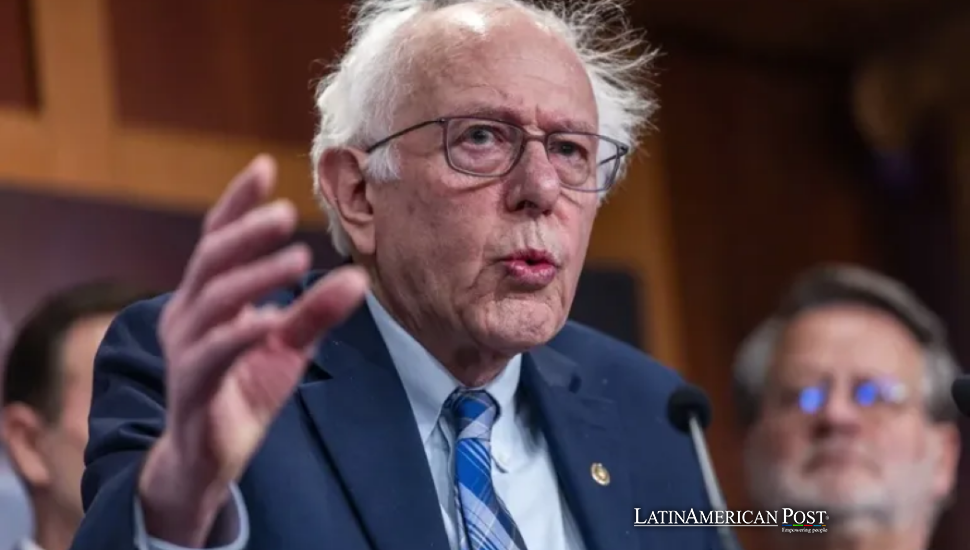
Thirty-one U.S. lawmakers want Washington to respect Brazil’s presidential vote regardless of who wins. Their letter follows tariffs, sanctions and an Oval Office meeting with Flávio Bolsonaro, raising questions about where diplomatic engagement ends and electoral pressure begins this October.
The Photograph and the Letter
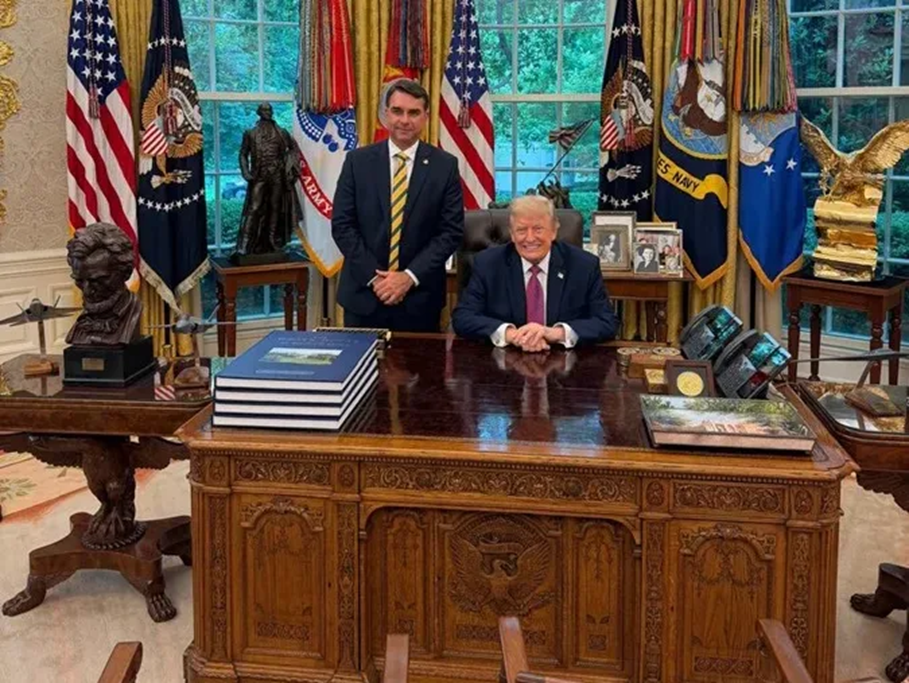
Flávio Bolsonaro stood beside Donald Trump’s desk, the American president seated in the Oval Office. The Brazilian senator posted the photograph in May, while facing questions at home about money requested from a jailed banker. Four months later, that White House encounter figures in a congressional warning about Brazil’s election.
On September 24, 31 U.S. lawmakers, including Senator Bernie Sanders, asked Secretary of State Marco Rubio to commit the administration to respecting the October vote and recognizing its certified result, whichever candidate wins. EFE reported that they described a campaign of diplomatic, economic and political pressure on Brazilian institutions.
Their request looks beyond election day. It asks what Washington will do once Brazilian authorities certify the count. A commitment made beforehand would be distinguishable from deciding whether to accept a result after discovering which candidate prevailed.
The 31 signatures establish support for that request among its signatories, not a resolution approved by Congress. The letter also seeks explanations for specific decisions, including sanctions against Supreme Court Justice Alexandre de Moraes and the revocation of Brazil’s ambassador’s visa.
That concern has a regional backdrop. EFE notes that Trump endorsed Nasry Asfura before Honduras’ 2025 election, which Asfura won, and publicly supported Abelardo de la Espriella during Colombia’s 2026 campaign. Those endorsements establish public preferences, not how many votes they changed. In Brazil, the lawmakers are asking whether political preference has become pressure through instruments of government that affect courts and commerce as well as individual presidential candidates.
Separately, State Department spokesperson Amanda Roberson denied election interference in a September 23 interview with CNN Brasil. She said Washington would work with the government Brazilians chose. That assurance preceded the letter and was not an answer to its individual questions.
Two Visits, Different Stakes
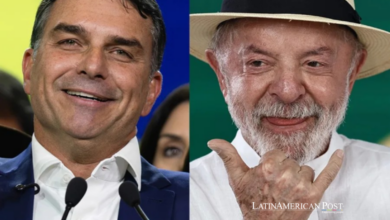
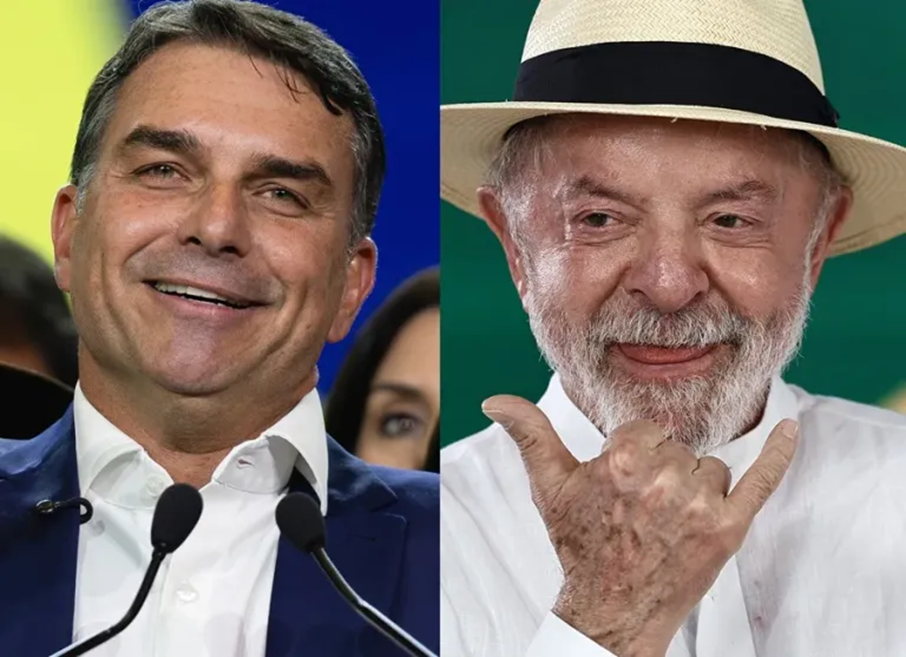
Trump received President Luiz Inácio Lula da Silva on May 7 and Flávio Bolsonaro on May 26, nineteen days apart. Both Brazilian contenders therefore gained access to the White House that month, but in different capacities: one as the incumbent president, the other as a challenger seeking support.
Bolsonaro spent more than 90 minutes in the White House complex. He did not specify how much of that time was with Trump. The distinction prevents the length of a visit from becoming an unsupported measure of presidential attention.
The trip came amid scrutiny of his relationship with Daniel Vorcaro, a banker imprisoned on suspicion of financial fraud. In leaked recordings described by EFE, Bolsonaro called him “brother” and requested substantial financing for a film about his father, former President Jair Bolsonaro.
The senator acknowledged the connection but denied wrongdoing, describing the funding as “private money.” Neither his characterization nor the relationship alone settles whether the financing was lawful. EFE’s May reporting described polling setbacks after the revelations; those accounts cannot serve as a measurement of September support.
His father’s prosecution had already drawn Washington into a dispute with Brazil’s judiciary. The administration imposed tariffs on Brazilian goods and sanctioned Moraes while he handled the coup case against Jair Bolsonaro. EFE reported that Washington later rolled back measures following negotiations with Lula’s government.
The U.S. government presented its 2025 actions as responses to alleged censorship and political persecution. The letter’s authors question that use of economic and diplomatic powers and ask Rubio to supply the legal grounds and evidence for sanctioning the judge.
Security, Minerals and Sovereignty
Flávio Bolsonaro’s Washington visit also produced policy commitments. At a news conference covered by EFE, he promised that Brazil would join Trump’s Shield of the Americas security alliance if he won. Argentina and El Salvador were among its participants.
He also asked Trump to designate the Primeiro Comando da Capital and Comando Vermelho as foreign terrorist organizations. Washington subsequently announced those designations, citing the groups’ violence against officials and civilians. The congressional letter questions that decision, too.
Lula’s government argues that the measure threatens Brazilian sovereignty. Bolsonaro defended it while denying that a U.S. military attack was contemplated, saying that possibility was “off the table.” His assurance and the government’s objection address different expectations about what closer security cooperation could permit.
For communities facing organized crime, the dispute concerns more than terminology. Supporters present international alignment as another means of confronting criminal networks; opponents of the designations question whether that alignment would diminish Brazil’s control over operations on its territory. Neither position, by itself, measures reductions in violence.
Bolsonaro also pitched Brazil’s critical minerals as an alternative to Chinese dominance. That connects the campaign’s security promises with a commercial proposition for Washington. It remains a proposed relationship, not a completed agreement on investment, processing or access to particular deposits.
The letter raises another unanswered question about access: why State Department officials sought to examine Brazil’s electoral system on a visit Brazilian authorities rejected. Its authors argue that such actions can weaken confidence in the process. Their allegation concerns institutional pressure, not proof that ballots have been altered.
The Oval Office photograph documented a meeting. The letter asks for something less photogenic and more specific: an advance commitment about how Washington will respond when Brazil announces its choice.
Also Read: Colombia Puts Former FARC Chiefs to Work Searching for the War’s Missing