Chile Writes Emergency Power Into Its War on Organized Crime
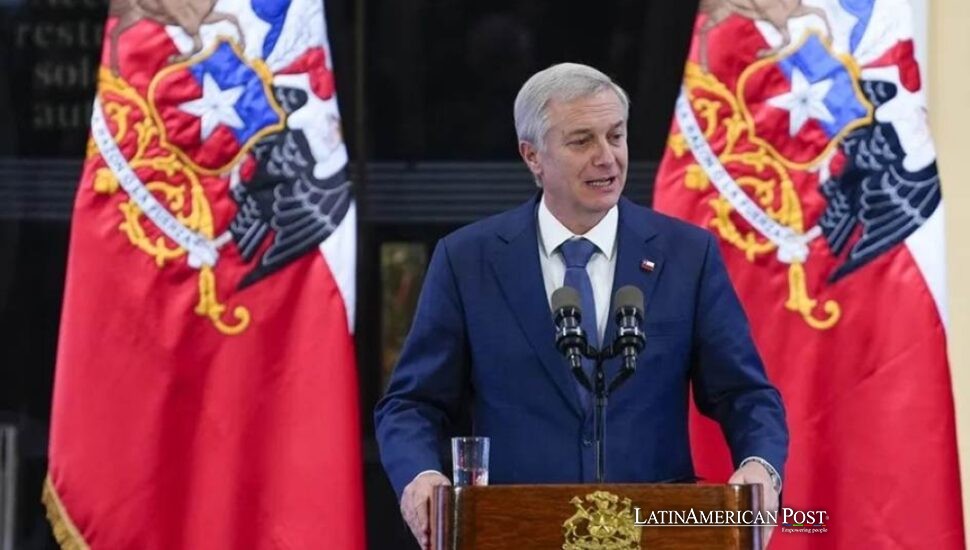
Chile’s proposed constitutional crackdown would let President José Antonio Kast impose sweeping emergency controls for months, restrict movement and communications, and formally designate criminal groups, raising a defining question for democracy: how much exceptional power can public fear permanently normalize?
The Constitution Becomes a Security Perimeter
The proposal reached Chile’s Senate Monday with the speed of an alarm. Eight amendments, 15 days for debate, and a message with little ambiguity: organized crime is no longer merely a policing problem. It is being written into the constitutional order.
Under Kast’s Agenda against Organized Crime and Terrorism, the president could declare a new state of exception when public security faces a “grave and imminent” threat, or has already been gravely disrupted. It could last 120 days and be renewed once for another 120. Only then would Congress decide whether it continues. The affected territory would answer to a general officer chosen by the president, EFE reported.
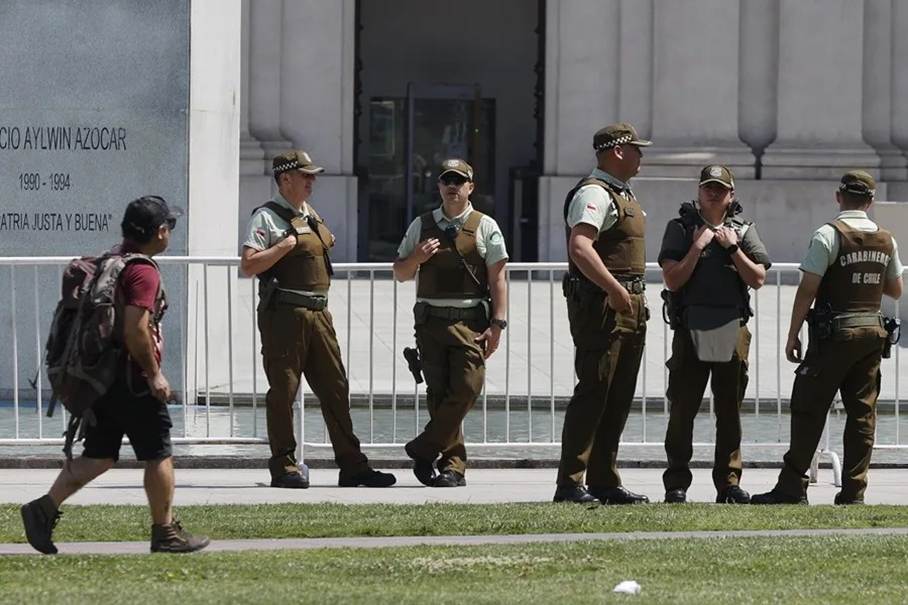
Inside that zone, ordinary life could change quickly. The executive could restrict personal liberty, movement, assembly and association. Authorities could intercept or search documents and communications, and requisition property. These powers reach the bus terminal, the neighborhood meeting, the family telephone and the private message sent late at night.
The government presents the reform as a response to criminal structures that move faster than the state. The concern is neither invented nor uniquely Chilean. Latin America and the Caribbean contain about 9 percent of the world’s population but roughly one third of global homicides, according to the United Nations Development Program. Violence also weakens investment, productivity and trust, making insecurity an economic system as well as a human tragedy.
Still, the proposal shifts the debate from whether the state should act to how long democratic restraints can be loosened before exception becomes routine. Two hundred and forty days is enough time for a child to finish most of a school year, for a small business to fail, or for military command to become familiar in a civilian neighborhood.
The Port Is More Important Than the Gunman
Chile does not produce cocaine on the scale of Colombia, Peru or Bolivia. Its strategic value lies elsewhere. It is a destination market and distribution platform with Pacific ports linked to Asia, Europe and the United States. That makes organized crime less visible than a jungle laboratory, but not less embedded.
The gunman is often the final link, not the organization. Before violence reaches a street, money can pass through transport companies, warehouses, prisons, encrypted communications, front businesses and compromised officials. A container can carry fruit on paper and cocaine beneath the floor. An extortion payment can resemble an ordinary transfer. A murdered shopkeeper may be the public face of a quieter chain.
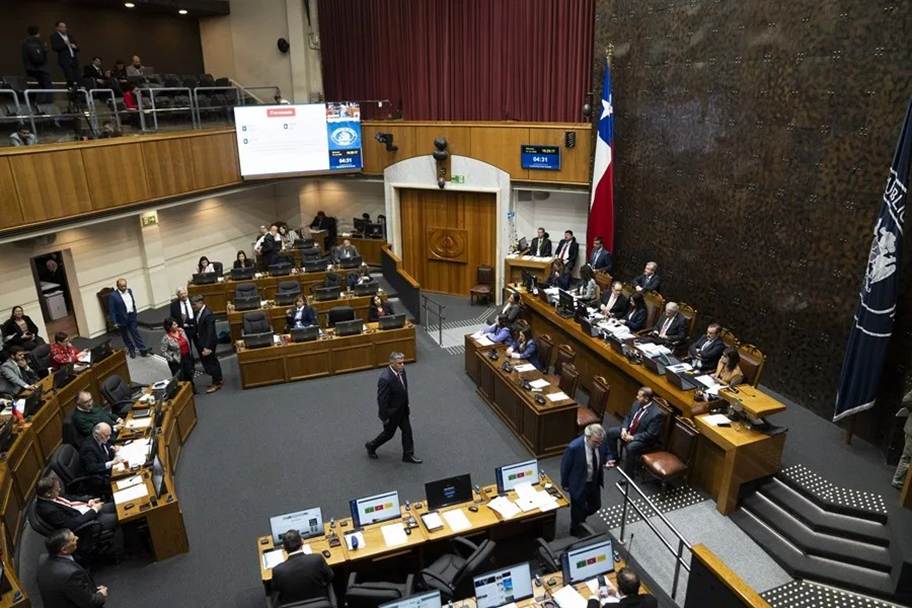
That is why the reform goes beyond emergency deployment. It would give constitutional status to registers of criminal organizations. It would also allow the president to declare a group terrorist or part of organized crime after receiving a supporting report from the Public Prosecutor’s Office or the National Security Council. The Senate would vote on the designation in secret, and approval would require two-thirds of the quorum.
The safeguard is substantial, but secrecy carries its own weight. Intelligence operations often require confidentiality. Democratic legitimacy, however, depends on citizens understanding why the state has attached one of its most consequential labels to an organization. In Latin America, “terrorist” has served as a legal category, battlefield description, and political weapon. The reform places those meanings close together.
Chile already has experience with prolonged exceptional rule. Since 2022, Congress has repeatedly renewed an emergency in four provinces of La Araucanía and Biobío following recurring violence. The system has allowed military deployment in public order operations. Kast’s proposal would expand the calendar and the range of rights that can be restricted, moving toward a longer initial period of executive control.
The regional map explains the urgency. Criminal networks diversify across narcotics, extortion, smuggling, illegal mining, and other illicit markets, moving capital and violence across borders without carrying a single flag. Their advantage is adaptation. When one route closes, another port, prison contact, or local intermediary can replace it. The target is therefore not one cartel name, but a criminal market able to regenerate.
Punishment Tests the Meaning of Security
The reform also seeks to make conviction follow a person long after prison. Those found guilty of organized crime or terrorism could be barred for life from public office. For 15 years, they could be excluded from substitute sentences and prison benefits. A later qualified-majority law could also restrict access to some publicly financed benefits.
These provisions respond to a familiar regional anger. Across Latin America, citizens have watched influential defendants obtain procedural advantages while ordinary families pay extortion to keep buses running, stores open or relatives alive. Severe sanctions offer the moral clarity that daily insecurity seems to deny.
But punishment and dismantlement are not identical. A lifelong public-service ban may block a convicted leader from entering office. It does not automatically reach the contractor who launders money, the correctional officer who carries a telephone, the customs official who ignores a seal, or the municipal intermediary who never appears in the indictment. Criminal power often survives through people who remain legally clean.
The proposal also collides with Chile’s historical memory of state power exercised through military command, surveillance, and restrictions on civilian life. The past does not dictate the present, and the reform remains subject to legislative debate. But history changes the emotional temperature whenever the Constitution expands exceptional authority.
Kast’s government argues that security is a duty of the state and that freedom cannot flourish where criminal organizations rule territory. The competing democratic concern is that rights can also erode when emergency tools become the normal grammar of government. Both claims arise from real Latin American experience.
The deepest question is not whether Chile should confront organized crime. It is whether constitutional force can remain targeted while criminal networks adapt, relocate and rename themselves. The Senate has 15 days to begin answering. Outside its chambers, in ports, prisons and anxious neighborhoods, the clock has already started.
Also Read: Chocó’s Earthquake Exposes the Fault Lines Beneath Colombia’s Forgotten Wealth