Latin America Turns Football Jerseys Into Political Statements Worn in Public
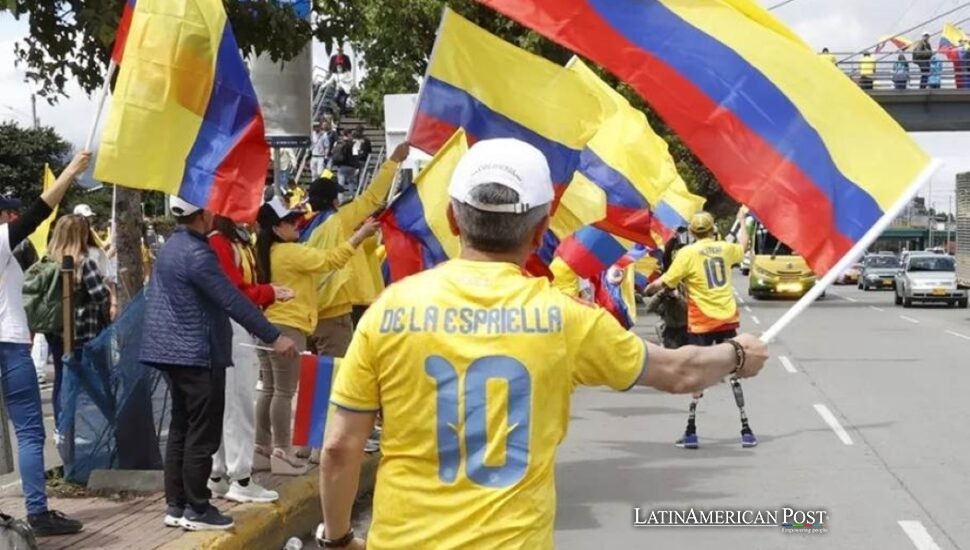
Across Brazil and Colombia, the national football jersey has become a campaign costume, a protest sign, and a contested flag. As elections sharpen old divisions, politicians are learning that the fastest route to patriotic emotion may already be hanging inside millions of closets.
A Shirt Carries the Country
Paulo Duarte packs Brazil with him.
When the 39-year-old football shirt collector travels abroad, he folds the national team’s yellow-and-green jersey into his suitcase. Strangers recognize it. They smile, approach, and begin talking about Pelé, Neymar, carnival, and samba music.
“Every time that someone recognizes the Brazilian football shirt, they come to me with a smile,” Duarte told Catherine Ellis in original reporting for Al Jazeera. The shirt, for him, is an invitation. Back home, it has become a source of argument.
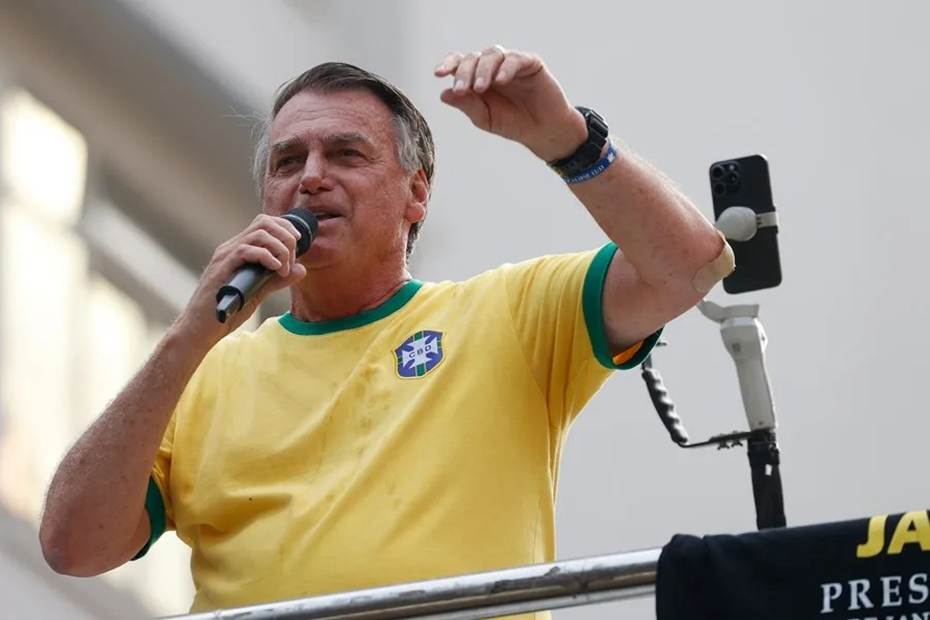
Brazil’s far right made the jersey a campaign uniform during Jair Bolsonaro’s rise, wrapping conservative politics in the colors of the flag. Now his son Flavio Bolsonaro, running as the movement’s presidential heir, has called it “Bolsonaro’s jersey.” Duarte hears something smaller in that claim, a politician trying to own what a child first loved in the stands.
“I feel sad about it,” he told Ellis. “It’s a matter of the politicians taking advantage of the shirt.”
Brazil’s jersey once told the world “Brazil,” fostering pride and unity. Now, it can also reveal how its wearer might vote, stirring feelings of national identity among the audience.
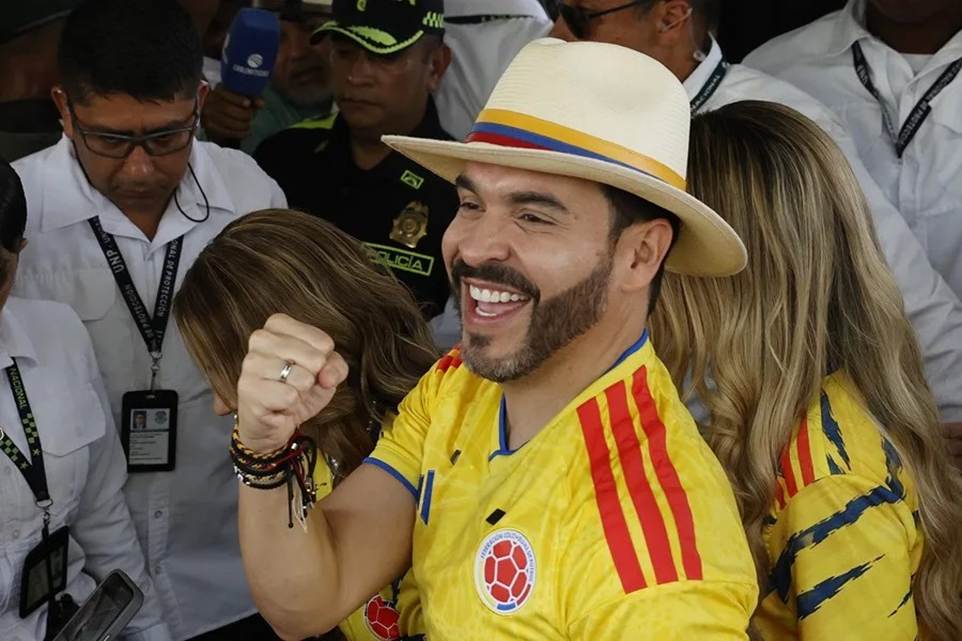
The same battle has crossed into Colombia. President-elect Abelardo de la Espriella traded his tailored campaign image for Colombia’s yellow jersey, and supporters followed. Strategist Carlos Suarez told Ellis it projected unity, patriotism and love of country while fitting a security campaign built around “saving Colombia.”
From Stadium Pride to Campaign Uniform
The appeal is clear: football shirts are familiar symbols that evoke shared emotions. When a candidate wears one, it can make voters feel connected and part of a larger community.
Sociologist Bryan Clift told Al Jazeera that national symbols are constantly negotiated. In football-dominant cultures, the jersey helps people imagine themselves as part of a larger collective. Politicians step into that feeling without having to build it from scratch.
Latin America gives the strategy unusual force. Brazil has won five World Cups and Argentina three. Colombia has not lifted the trophy, but football still lets the region appear globally through talent and possibility rather than conflict, debt, or inequality.
Joey D’Urso, author of “More Than a Shirt,” told Ellis that European nations draw recognition from centuries of history. Latin America is often marginal in global conversations about power. In football, the hierarchy bends. Brazil has not merely participated. It has defined excellence.
That reversal gives the jersey emotional density. It carries neighborhood memory, family inheritance, and international recognition. Political campaigns want all three.
In Colombia, de la Espriella’s appropriation sparked resistance. Left-wing rival Ivan Cepeda accused him of stealing a symbol that belonged to every Colombian. A court ordered the campaign to stop using the jersey, but the ban deepened its usefulness as a badge of defiance.
Supporters’ defiance in wearing The jersey despite bans shows how symbols can strengthen collective resilience and a sense of agency among the people.
The episode exposed a familiar pattern. Prohibition can strengthen populist theater. The candidate becomes a victim of elites, the shirt proof of loyalty, and a ruling meant to protect a national symbol is reframed as an attack on the nation.
Who Gets to Wear the Nation
Brazil’s yellow jersey has been a political symbol long before Bolsonaro, rooted in history dating back to Getúlio Vargas’s nation-building efforts and the country’s first World Cup victory in the 1950s, making it an enduring emblem of national identity.
That unity was selective. Football mythology celebrated Black brilliance while Brazil preserved racial and economic inequality. The jersey offered a sense of belonging even as citizenship remained uneven, making millions feel equal for 90 minutes. Politics noticed.
In 2013, demonstrators wore it during protests against transit fare increases and Dilma Rousseff’s government. Bolsonaro later fused yellow with anti-left politics, militarized patriotism and resentment toward the Workers’ Party. By 2022, some fans bought blue shirts because yellow felt partisan.
Yet symbols are never fully captured. Colombia’s left began wearing the national shirt to contest de la Espriella’s claim. Brazilian left-wing voters have done the same, sometimes adding red details, sometimes wearing the jersey untouched.
Teacher Gardennya Linard told Ellis that the shirt once brought embarrassment because of its Bolsonarista association. Now, she believes, the left is reclaiming it to show that Brazil belongs to Brazilians, not to one faction.
That struggle is more than wardrobe politics. University of São Paulo professor Marco Bettine calls the shirt symbolic capital. Whoever captures it gains access to patriotism and belonging. The contest is over legitimacy: who may speak as the nation, and who is pushed outside.
Duarte refuses the forced choice. He is frustrated with politics, but certain it will not touch his love for football. That may be the jersey’s most stubborn defense.
A party can print slogans across it. A court can restrict it. A candidate can claim it. Still, the shirt returns to the fan’s body, creased from a suitcase, carrying memories that existed before the rally and will outlast the ballot.
Editor’s Note: This article was adapted from the original Al Jazeera report, “How World Cup Football Jerseys Became Political in Latin America,” by Catherine Ellis.
Also Read: Colombia Reclaims Paramilitary Ranch as Farm Workers Plant a New Future