Venezuelan Father Shot by ICE Remains Detained as Family Pleads for Care
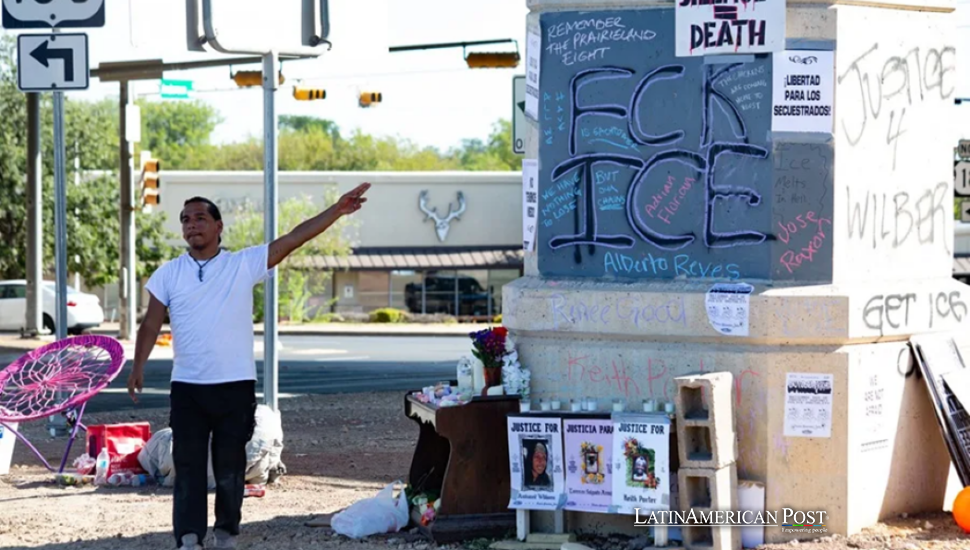
Wilber Garcés drove deliveries in Austin to support his family in Venezuela. After an immigration agent shot him, the 28-year-old was hospitalized, then detained. His mother now wants medical care for her son, who called her between jobs in Texas.
The Call That Changed Everything
One of Flor Pérez’s daily comforts was a message from her son: “I’m fine, Ma. How are you?” Between deliveries in his blue Toyota Corolla, Wilber Garcés talked with her about saving enough to open a business in Venezuela. Work abroad was meant to build something back home. The ambition was never his alone.
Then, on September 20, the call changed. “Mom, they shot me, they crashed into my car, and immigration got me,” he told her, according to the account she gave EFE from Barquisimeto. An immigration agent had shot him in Austin. He called his mother first.
Garcés was taken to a hospital and discharged within hours, then transferred to immigration detention in South Texas. The bullet remained in his body, EFE reported. His family, activists and U.S. lawmakers have called for his release so he can receive the treatment they believe he needs.
The government’s response, also reported by EFE, is that his medical care is better than that provided to American citizens in U.S. jails. That comparison does not supply a treatment plan or explain the decision to discharge this particular patient.
Pérez wants the bullet removed. Her request expresses a mother’s fear, not a clinical determination that surgery is the appropriate treatment. The account contains no medical records resolving that question. What she wants most is reassurance that her son is being cared for.
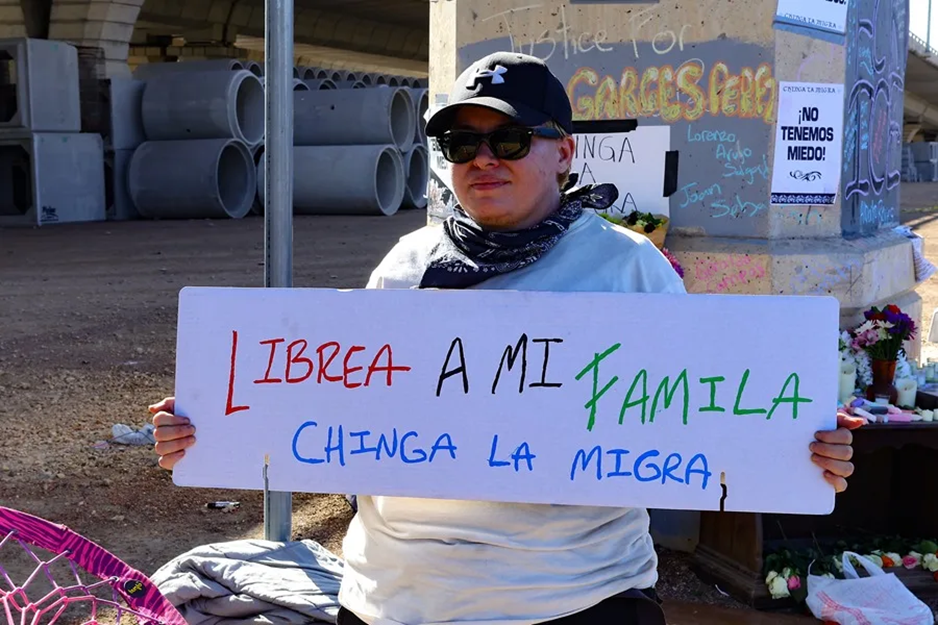
The Money Traveled Both Ways
Garcés comes from Yaritagua. His aunt Jacqueline Pérez describes him as the oldest son and the household’s breadwinner. His seven-year-old son, Axel, lives in Venezuela with the boy’s mother. Relatives say a complication during childbirth left him with difficulty moving the right side of his body.
Treatment brings continuing expenses. “Axel is his life, his everything,” Jacqueline told EFE. “Wilber was born again through him. They are identical.” The business Garcés hoped to establish was meant to offer his family stability, with his son’s needs at the center.
That plan depended on more than his own willingness to work. Before Texas, he lived in Peru, where Flor spent time selling goods on the street. Garcés worked in construction and later made deliveries. His mother recalls shrinking opportunities and growing discrimination against Venezuelans, until friends began leaving and he decided to follow.
His was not a single move from hardship to security. Peru had offered work before opportunities narrowed, his mother said. Heading north meant starting again, with the family financing another costly attempt to make that hoped-for security last.
She helped finance his journey north, which took him through the Darién jungle. “I ended up eating only rice with butter so I could send him money,” she told EFE. Her sacrifice reverses the familiar picture of migration as money flowing home: first, money had to flow toward the person traveling.
Even the household’s breadwinner needed support before reaching his next job. Flor worked harder and cut back on what she spent on herself. The cost of seeking better wages was therefore being paid in two places, through his uncertain journey and her smaller meals.
The same interdependence now magnifies his injury. Losing the ability to work interrupts current support and postpones the savings intended for a business. The reporting offers no earnings, treatment costs, or savings total from which to calculate the loss. Its reach across three generations is nevertheless clear.

A Mother Beyond the Gates
Garcés reached Mexico City in September 2023 and waited for an appointment through CBP One. His mother says he then presented himself at the San Ysidro border crossing and traveled to Texas, where he had friends. Her account describes his route into the country, not the full record of his immigration proceedings.
In Austin, delivery platforms including DoorDash gave him work that sometimes stretched to ten hours a day. Those long shifts measure effort, not financial security. Time spent driving cannot reveal how much remained after the costs of keeping himself and his car on the road.
Still, his mother remembers him feeling at ease. They spoke while he delivered orders or worked on the Corolla—the calls fit into routines that let them stay in touch despite the distance.
He had also carried soccer with him. As a boy, he played in his neighborhood and later joined a local club; in Peru, he made friends and played again. His aunt teased him for treating an ordinary game as though he were performing in a stadium.
Those memories give Flor someone to hold onto beyond the injured man in the headlines. Since the shooting, she told EFE, sleep has become difficult. She wants to rush to him but remains far away, unable to turn a telephone conversation into a bedside visit.
She is not asking the public to settle every question about the encounter before helping her son. “I want them to treat him, heal him and see him well,” she told EFE.
Before the shooting, mother and son discussed what would happen once he saved enough. Now the future begins with a different requirement: that he recover enough to imagine it again.
Also Read: Colombian Caribbean Heat Makes Cooling Essential Just as Drought Squeezes Water and Power