Ecuadorian Vizcacha’s Tiny Refuge Now Faces a Giant Mining Question
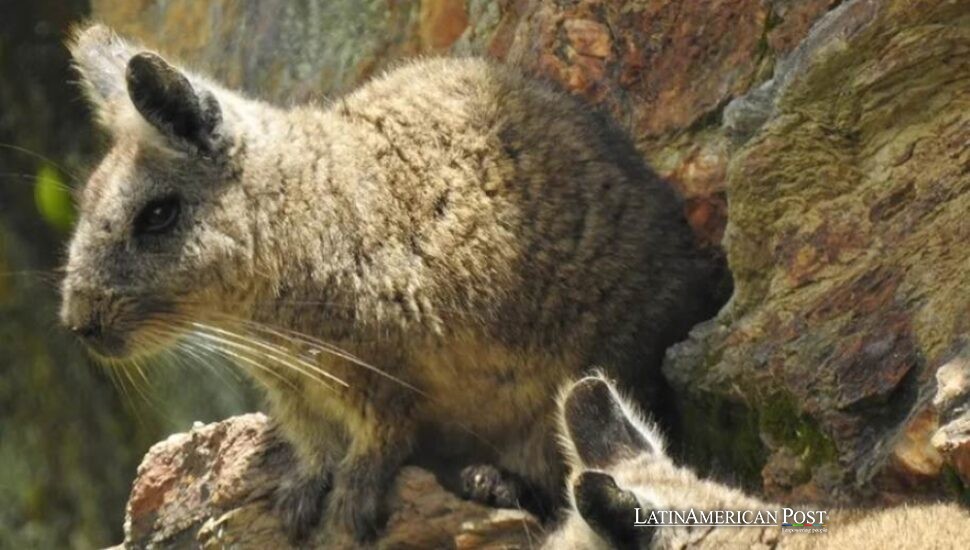
In southern Ecuador, a critically endangered Ecuadorean vizcacha survives on a mountain refuge threatened by fire, invasive pines, farming, and mining. A $167,106 campaign seeks to buy Loma Delgada, protect water sources, and keep an ecosystem from disappearing for good.
A Sanctuary Measured in Hectares
At 2,400 meters above sea level, Loma Delgada occupies just 35 hectares in Quilanga, a canton in the southern Andean province of Loja, near Ecuador’s border with Peru. It is small enough to vanish inside a regional map. On the ground, it contains waterfalls, caves, springs, and more than 50 plant and animal species. It also shelters one of the world’s rarest rodents.
The privately owned property has survived because its owner chose to protect it. Now the Amazonía Productiva Foundation wants to buy the land and turn personal stewardship into permanent conservation.
Project manager Karen Gudiño told EFE that the owner received a visit in 2019 from a company associated with a major nearby mining concession. The foundation wants to prevent extraction from reaching what Gudiño calls an “ecological sanctuary.”
The water makes that description concrete, as Loma Delgada’s micro-watershed supplies about 3,500 people and flows toward Peru, illustrating its vital role in local and regional ecology.
The Rodent That Gardens the Mountain
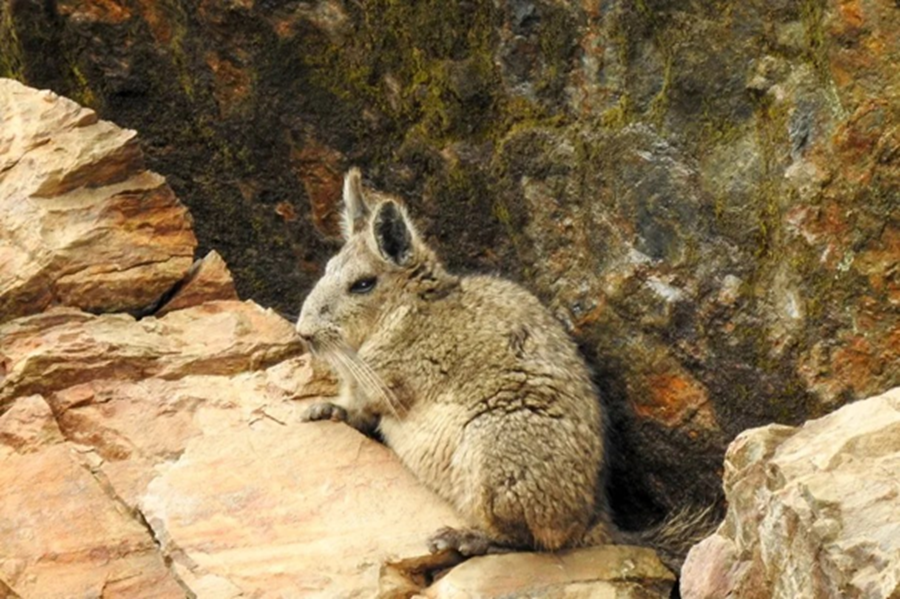
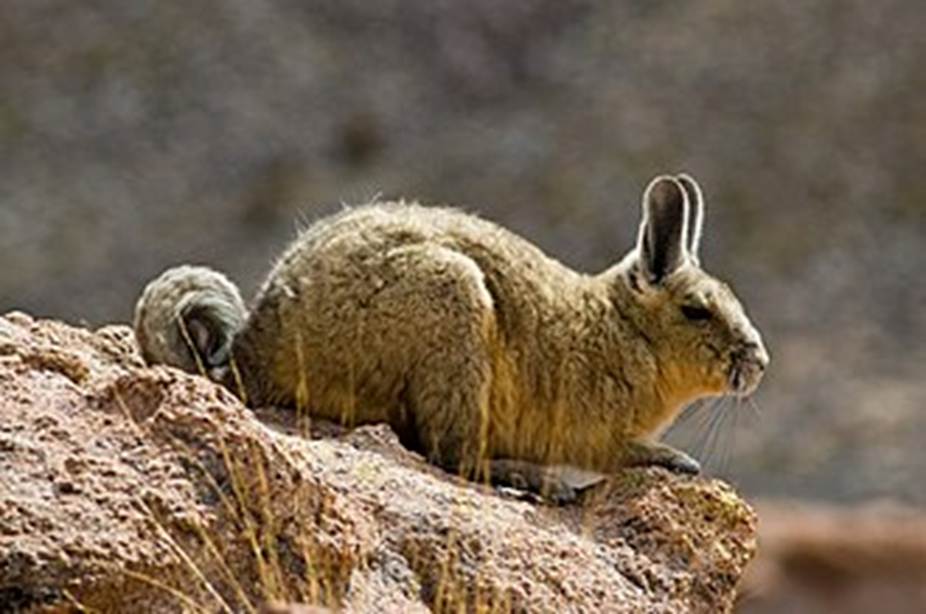
The Ecuadorian mountain vizcacha, Lagidium ahuacaense, looks built for stone, with gray-brown fur and a tail nearly as long as its body. First observed in 2005, it was formally described as a distinct species in 2009 after researchers found anatomical and genetic differences from other mountain vizcachas.
Its discovery carried a geographical surprise. The animal lived more than 500 kilometers north of the nearest previously known related populations in central Peru. Early accounts placed it only on the isolated granite slopes of Cerro El Ahuaca. Later research identified small, separated populations on other mountains in Loja, biologist Jimmy Japón told EFE.
More locations do not mean safety. Isolation allows a single fire, invasive plant outbreak, or land-use change to erase an entire local group. A species can occupy several mountains and still stand perilously close to extinction.
The vizcacha performs quiet labor. By eating vegetation, seeds, and other plant material, it helps move seeds and build fertile soil. Recognizing Its role as a gardener can inspire appreciation and a sense of duty among the audience.
Remove the gardener, and the mountain does not immediately collapse. Regeneration simply becomes poorer, plant relationships shift, and the system loses one of the small processes that kept it resilient. Extinction is often less like an explosion than a loosened thread.
Fire, Pines, and the Mining Frontier
The sharpest recent warning came in 2024, when wildfire tore through southern Ecuador and reached Loma Delgada’s upper areas. The National Secretariat for Risk Management counted 6,300 hectares affected, Gudiño told EFE, though residents say the real damage extended farther.
The official figure alone equals 180 Loma Delgadas. That arithmetic explains why 35 hectares can feel both precious and defenseless. Fire does not respect property lines or scientific rarity.
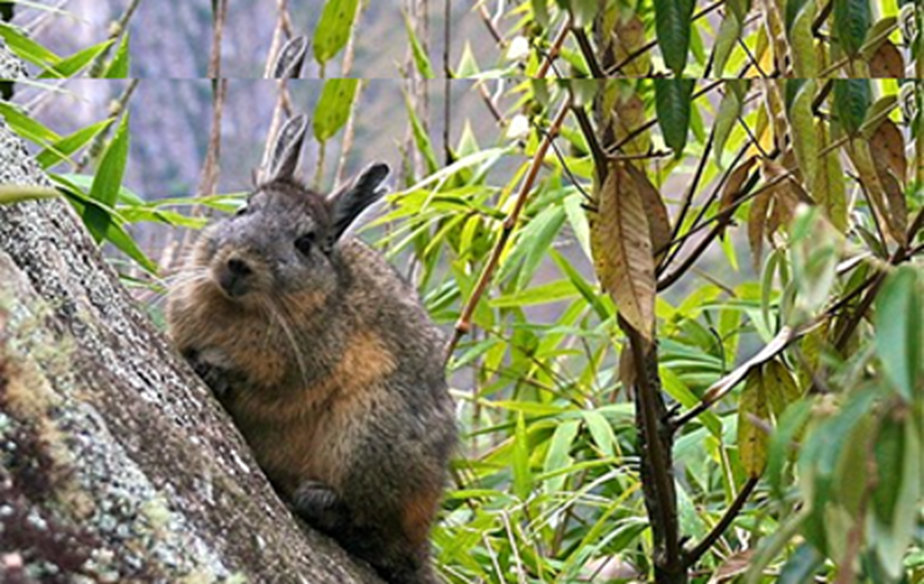
Invasive pine has worsened the danger. Highly flammable, it has occupied spaces where cacti, grasses, and native shrubs once shared the landscape. The issue is not simply that a foreign tree grows there. It changes the fuel available to fire and the ecological mosaic that native species need.
Then comes mining, a familiar Andean conflict. National governments seek investment, municipalities seek jobs, and rural families seek income. Yet the costs of extraction are often borne locally, especially when water sources and fragmented habitats lie near concessions. Here, the calculation crosses a border because the water continues into Peru, while land decisions remain local.
The reported 2019 visit does not make a mine certain. It does show conservationists racing against a competing valuation of the terrain. One side sees minerals and access. The other sees a species found nowhere else, community water, and losses that would be difficult to reverse.
A Price Tag on Survival
The foundation wants to raise $167,106. Of that, $60,000 would purchase the land, about $1,714 per hectare. The remaining $107,106 would fund five years of restoration, native reforestation, camera-trap monitoring, scientific research, and a local ranger.
That operating budget averages about $21,421 annually. Measured against the 3,500 people served by the micro-watershed, the full campaign costs less than $48 per resident. It is modest beside the expense of rebuilding damaged water infrastructure. For a small foundation, it remains formidable.
The proposal includes ecotourism, education, and livelihoods, showing that protecting this land benefits local communities and ensures long-term conservation.
“Protecting this space means securing the future of a species unique to Ecuador, conserving water sources and strengthening sustainable alternatives that benefit those who inhabit this territory,” Gudiño told EFE.
The vizcacha knows none of these numbers. It moves over rock, feeds among plants, and continues its uncelebrated gardening. Downhill, thousands of people turn on taps and depend on water born in the same hills. Loma Delgada’s question is whether Ecuador can recognize that shared life before the land is valued for something that requires digging it apart.
Also Read: Chile Faces El Niño Fury as Deadly Storms Close In