Mexico’s Influencer Killings Expose Cartels’ Deadliest Algorithm in Plain Sight
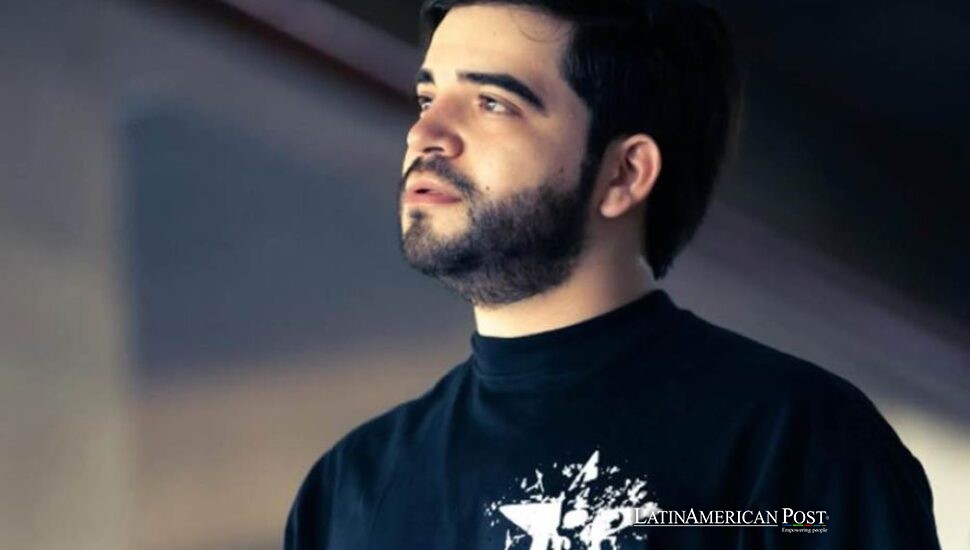
César Gastélum’s livestreamed murder in Culiacán turned a phone screen into a crime scene, exposing how Mexico’s influencer economy, cartel propaganda, aspirational luxury, and factional warfare collide before audiences who can watch violence arrive in real time as it happens.
A Murder Designed for the Feed
The motorcycle appears almost casually. Two men approach César Gastélum as he talks with friends outside a fast-food restaurant in Culiacán, the capital of Sinaloa. Then the driver raises a weapon, fires into Gastélum’s head at close range, and disappears. The killing takes seconds. The image does not.
Gastélum was livestreaming. His followers did not learn of his death through a morning newspaper or police bulletin. They witnessed it through the same screen where he had shared jokes, challenges, nightlife, expensive cars and luxury trips. The platform that made him visible also preserved his final moments as content.
Sinaloa prosecutors offered few details, but said investigators were reviewing posts by Gastélum, including some that referred to a criminal group. He had reported no cartel threats, and police had not been investigating him for criminal ties. That distinction matters where public suspicion can harden into a verdict before investigators establish motive.
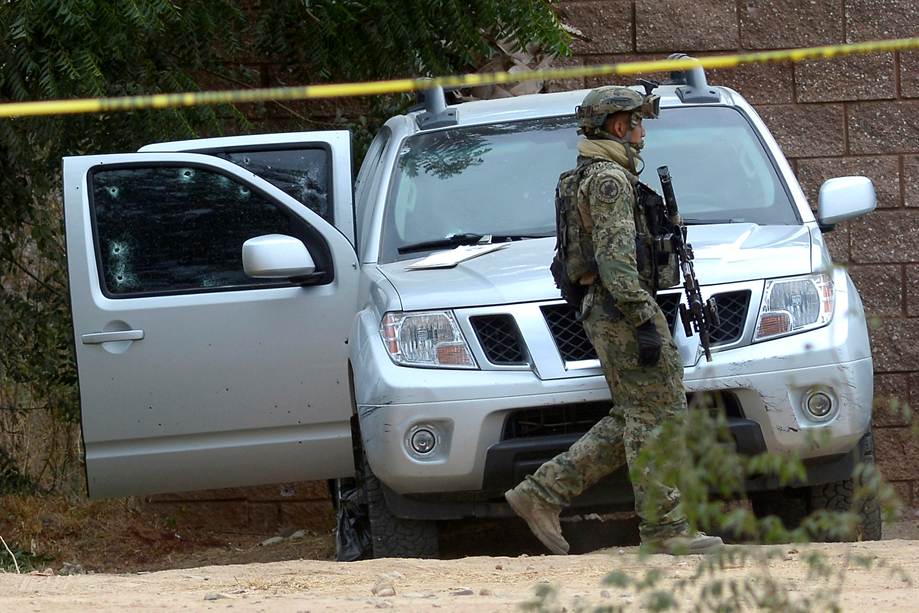
Gastélum is at least the tenth content creator killed in Sinaloa since war erupted between two rival factions of the Sinaloa cartel two years ago. His death belongs to a pattern, but a pattern is not proof of personal guilt. In Culiacán, simply becoming recognizable can be dangerous. Fame creates an audience, but it also creates a map. It tells strangers where someone eats, what he drives, whom he knows and how he wants to be seen.
That ambiguity surrounds the label “narco-influencer.” Some creators have promoted cartel aesthetics or maintained relationships with criminal figures. Others reject the term, arguing that a young person displaying wealth in Sinaloa can be interpreted as cartel-adjacent even when the display is imitation, aspiration or performance. Gastélum once posed at the grave of Leobardo Aispuro, known as El Gordo Peruci, another influencer murdered in 2024. The image invites questions. It does not answer them.
Luxury Becomes a Political Language
Claudia Arruñada, a communications expert at Mexico’s Iberoamerican University, told the BBC that social media algorithms and narcos can reward the same fantasy: consumption and luxury as the highest values, obtained as quickly as possible. “The model for success is no longer based on methodically working on your career, but rather on having a meteoric rise,” she said in the BBC interview.
In a country marked by deep inequality, flashy consumption can become a political language. The sports car, nightclub table and foreign vacation are not merely possessions. They signal escape from ordinary limits. They offer a compressed story in which status arrives without the slow institutions that have failed many young Mexicans: secure employment, upward mobility, reliable policing and equal access to opportunity.
Narcoculture exploits that frustration. It turns criminal wealth into a recognizable visual grammar, then social platforms accelerate it because spectacle travels. The algorithm does not need to understand whether a creator is celebrating a cartel, parodying it or copying a popular style. It measures attention. Cartels understand attention too.
Studies cited in the BBC’s reporting suggest criminal organizations use creators as community managers, much like multinational companies use digital teams to cultivate a brand. Modern cartels are diversified businesses with territorial, commercial and political interests. Their messaging can glorify leaders, intimidate rivals, normalize violence and present local power as inevitable. A popular account can become useful even without openly posting propaganda.
Usefulness, however, can become a death sentence when alliances shift. In January 2025, leaflets dropped from an aircraft over Culiacán accused 25 influencers and musicians of links to La Mayiza, the cartel faction fighting Los Chapitos. Four names were already marked “eliminated.” Two more people named on the pamphlet were later murdered. Gastélum was not listed, but the leaflet revealed a chilling logic: creators could be catalogued as media assets inside a cartel war, then targeted like operatives.
This is where the digital economy and Sinaloa’s old power structures meet. Cartels have always relied on rumor, corridos, public warnings and selective terror. Social media adds speed, searchable identities and permanent archives. The plaza is no longer only physical territory. It is also a feed.
When Cartel War Moves Online
President Claudia Sheinbaum said local and federal authorities would pursue both Gastélum’s killers and those who ordered the murder. Her government has also tried to weaken the cultural reach of organized crime by denouncing narcocorridos that glorify traffickers while confronting criminal groups directly. Official figures indicate murders fell by 48 percent in 2025.
That decline is significant. Yet statistics and spectacle operate differently. A national homicide reduction can describe real progress, while a livestreamed execution still convinces millions that cartel power is intimate, immediate and technologically current. One figure measures frequency. The other shapes memory.
The state therefore faces more than a policing problem. It faces a battle over meaning. Condemning songs may generate headlines, but narcoculture is not sustained by lyrics alone. It survives because criminal wealth can look more efficient than legal institutions, because fear silences communities, and because online platforms transform local symbols into profitable entertainment.
Mexico must also avoid treating every murdered creator as guilty by aesthetic association. Luxury photos are not evidence of cartel membership. Comedy clips are not criminal records. Public mourning at a controversial grave may warrant scrutiny, but not retroactive conviction. When officials and media repeat insinuations without proof, they risk completing the cartel’s work by isolating victims and making murder appear explainable.
Gastélum’s killing leaves an uncomfortable image: friends standing nearby, a motorcycle arriving, an audience already connected. The murder was public, but its motive remains obscure. That gap is where rumor thrives.
In Culiacán, the phone has become more than a camera. It is a stage, storefront, status symbol, surveillance device and possible weapon in someone else’s narrative. The deadliest algorithm is not simply the one that rewards luxury. It is the one that turns visibility into presumed allegiance, presumed allegiance into a target, and a human life into the next piece of content.
Also Read: Colombia Ends Endless Peace Talks as Armed Groups Keep Growing