Mexico Should Send Washington the Bill for El Mayo Justice
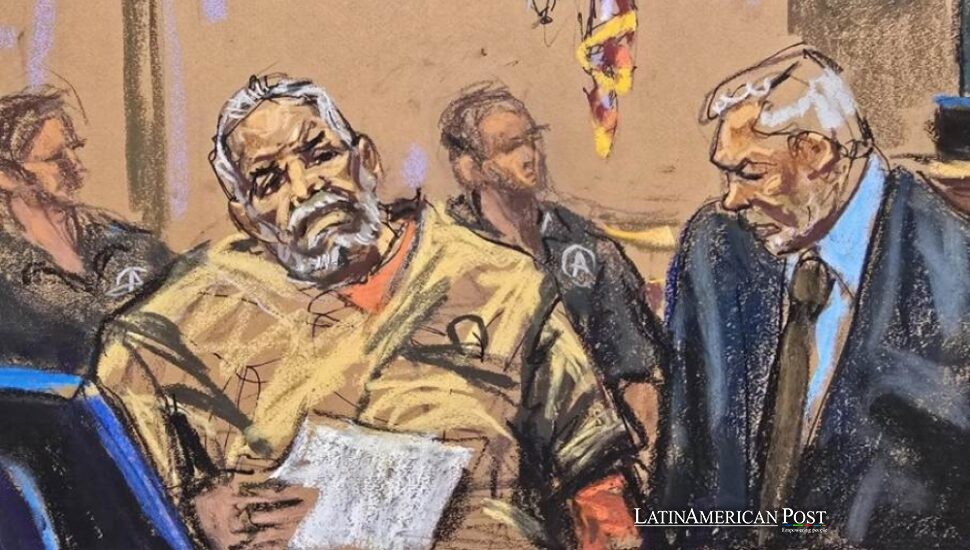
Ismael El Mayo Zambada’s life sentence may satisfy U.S. prosecutors, but his disputed removal, Mexico’s unanswered sovereignty questions, and a $15 billion forfeiture demand expose a deeper imbalance: Washington claims the triumph, while Mexico absorbs violence, weapons, and the bill.
A Sentence Does Not Cure a Violation
Ismael “El Mayo” Zambada entered a Brooklyn courtroom limping, wearing khaki prison clothes. At 76, he winced as he sat, struggled with simultaneous interpretation, and heard a foreign court decide where he would die.
He had pleaded guilty to trafficking cocaine and fentanyl. Before Judge Brian Cogan imposed life in prison, Zambada apologized to families harmed by his actions and urged young Mexicans to choose another path. “No one wins in this kind of war,” he said in Spanish, according to EFE. “I can’t change what I did, but I can take responsibility.”
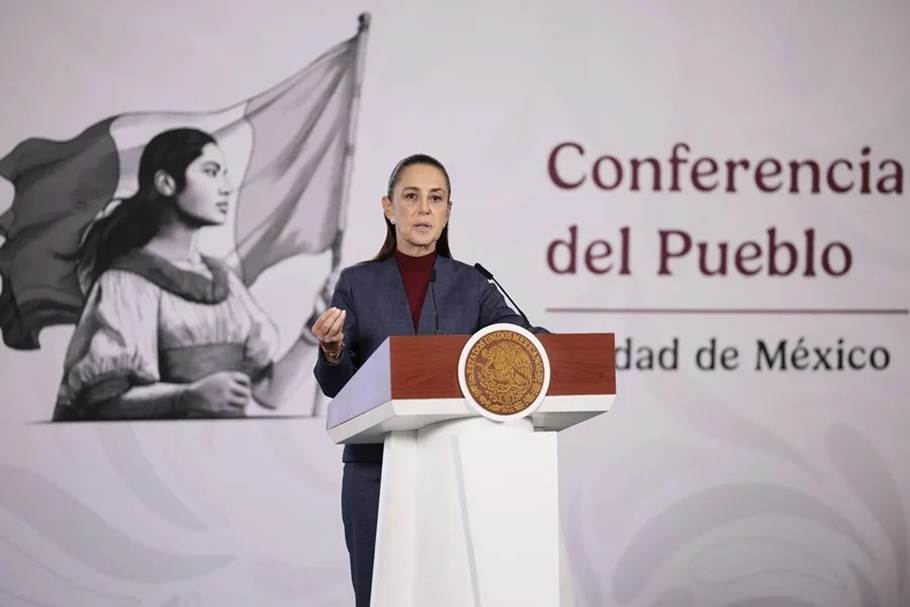
His remorse deserves skepticism. President Claudia Sheinbaum was right to call such counsel difficult to accept “coming from who it comes,” EFE reported. A cartel leader does not become a moral authority because he faces prison.
Still, this is not an argument for Zambada. It is an argument for Mexico.
A lawful sentence cannot sanitize an unlawful transfer. Zambada says Joaquín Guzmán López, a son of “El Chapo” Guzmán, kidnapped him and carried him against his will to the United States. Washington initially offered a different account. Sheinbaum says U.S. participation appears “obvious,” citing the FBI’s display of the aircraft while authorities deny running the operation.
That contradiction matters. Extradition treaties, warrants, diplomatic notes and judicial hearings are not decorative paperwork. They are the guardrails that distinguish international law enforcement from powerful countries treating neighboring territory as an open field.
If U.S. agents participated inside Mexico without authorization, the operation was not merely aggressive. It was a breach of sovereignty. If they did not, Washington should answer Mexico’s requests and provide a clear record. Silence is not cooperation.
The Violence Stayed in Sinaloa
The arrest did not end when the plane landed. It detonated inside Sinaloa.
Sheinbaum has linked Zambada’s capture to an internal criminal conflict and a wave of violence. Her question is the right one: what exactly was set in motion by removing one cartel patriarch through a murky operation?
That does not excuse cartel bloodshed. The killers own their crimes. But states must account for foreseeable consequences when disrupting armed organizations built around personal alliances, family loyalties and territorial bargains. A dramatic capture looks clean from New York. On the ground, it can reorder power overnight.
Mexico then pays in frightened neighborhoods, interrupted commerce, closed schools, displaced families and soldiers sent to contain the aftermath. The United States gets the defendant, the press conference and the language of victory. Mexico inherits the vacuum.
This reflects a deeper imbalance in the bilateral drug war. Washington demands that Mexico stop narcotics moving north. Mexico asks that the United States stop weapons moving south. Both demands are legitimate, yet only one country acts as though its emergency permits it to cross the other’s legal boundaries.
The fentanyl crisis is real. So is Mexican sovereignty. One cannot be used to dissolve the other.
Washington’s expanding fentanyl doctrine risks turning a public health and organized crime challenge into a license for intervention. Latin America knows this script. Security language grows elastic, local consent becomes optional, and success is measured in captured men rather than safer communities.
Zambada’s sentence may incapacitate one trafficker. It does not repair the institutional damage caused by opacity, nor the violence that followed his removal.
Mexico Has Earned a Claim
Then there is the money.
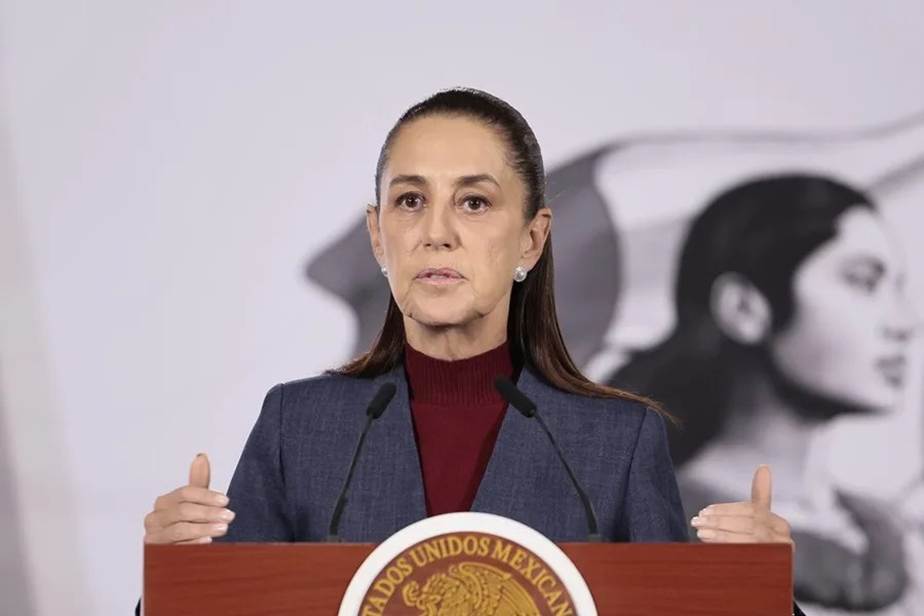
Judge Cogan ordered the forfeiture of $15 billion, the sum sought by prosecutors. No separate fine was imposed. Sheinbaum has asked Mexico’s Attorney General’s Office to review whether the country should claim a portion.
It should.
Mexico does not deserve a reward for failing to defeat the Sinaloa Cartel. It deserves recognition that Zambada’s alleged wealth came from a transnational market whose heaviest territorial costs accumulated in Mexico. Communities lived under coercion. Officials were threatened or corrupted. Families buried the dead. Mexican institutions spent money and credibility confronting an organization sustained by U.S. demand.
For Washington to seize the fortune while treating Mexico only as the landscape of the crime would repeat the same asymmetry visible in the arrest. Jurisdiction becomes ownership. The country that secures custody claims the cash, while the country that endured decades of damage is invited to applaud.
Mexico’s claim should be formal, transparent and tied to victims, not swallowed by ordinary spending. Recovered assets could support displaced families, forensic identification, addiction treatment, witness protection and credible opportunities for young people in cartel recruitment zones. That would give substance to the prevention Sheinbaum says her government prioritizes.
Any arrangement would require verification of the forfeited assets and negotiation under applicable law. The $15 billion order is not the same as $15 billion sitting in an account. But uncertainty over collection does not weaken Mexico’s right to demand a seat at the table.
Real cooperation requires reciprocity. The United States must disclose what happened during Zambada’s transfer, respect Mexico’s jurisdiction, curb the southbound flow of weapons, and share recovered criminal assets with the society that bore the violence.
A life sentence may close Zambada’s future. It should not close the case on how he arrived, who authorized it, or who gets paid.
Also Read: Nicaragua Buries the Ballot and Deepens Its Dangerous Geopolitical Isolation