Colombian Death Exposes ICE’s Dangerous Gap Between Enforcement and Justice
A Colombian father’s fatal encounter with ICE in Maine raises a harder question than whether officers may use force: whether America’s immigration machinery is trained, supervised, and designed to prevent avoidable deaths while carrying out the law effectively and fairly.
A Child in the Passenger Seat
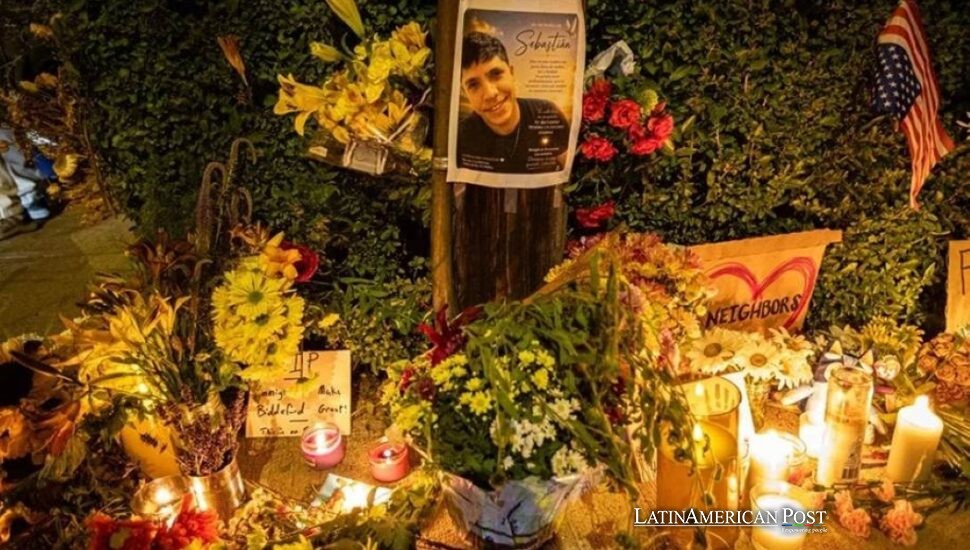
Johan Sebastián Durán Guerrero was 26 when he died Sunday in Biddeford, Maine. According to Colombia’s Foreign Ministry, U.S. Immigration and Customs Enforcement agents shot him while he was inside a vehicle with his 3-year-old daughter.
A toddler was close enough to the gunfire to enter the diplomatic record. Her presence does not establish what agents saw or whether danger was immediate. It does sharpen the questions about planning and restraint. How did an operation around an occupied vehicle and a small child turn lethal?
Colombia has demanded a “prompt and exhaustive” investigation. Its embassy and Boston consulate are assisting the family and seeking answers. President Gustavo Petro went further, calling the death a killing of a Colombian and Latin American by the U.S. government. He said Durán was treated as “inferior and without rights.”
Petro’s language is explosive and legally ahead of the evidence. Still, the anger beneath it cannot be dismissed as theater. A government killed a foreign national during an immigration operation. His family, his country, and the American public deserve to know precisely why.
Acknowledging that ICE officers may encounter dangerous situations, it is crucial to specify reforms in policies, training, and oversight that can prevent avoidable deaths while ensuring enforcement remains effective and fair.
Recognizing that the current system appears badly designed for that task, increased public scrutiny and policy reform are essential to drive meaningful improvements in enforcement practices and accountability.
Force Without Sunlight Is Policy Failure
A fatal encounter highlights the need for transparent government actions to build public trust and accountability, not just proof of legality.
Investigators should preserve body-camera footage, radio traffic, vehicle data, and witness testimony. They must reconstruct commands, time for compliance, vehicle movement, and any weapon or threat officers perceived. The inquiry should sit outside the chain of command of those involved.
Independence is not anti-police. It is institutional hygiene. When an agency investigates itself after taking a life, even justified force can look concealed. When evidence appears selectively, suspicion fills the vacuum.
The Houston death of Mexican migrant Lorenzo Salgado Araujo shows the problem. The FBI obtained a warrant to search his truck for drugs after an ICE agent fatally shot him. Investigators should follow evidence wherever it leads. But drugs found later would not prove that deadly force was necessary when the trigger was pulled.
Evidence of criminal conduct is not evidence of an imminent threat. Treating them as interchangeable creates a dangerous shortcut: that alleged wrongdoing lowers the government’s obligation to use restraint. It does not.
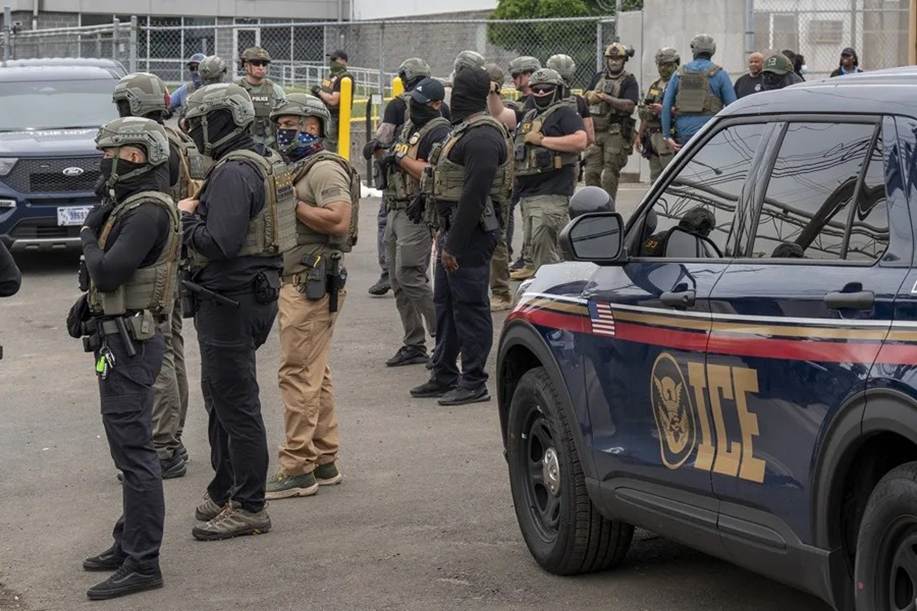
Training and tactics matter here. Officers should learn to slow encounters, avoid crossfire around occupied vehicles, use distance and cover, call specialized support, and reserve deadly force for the final option. Body cameras should be universal, with real consequences for unexplained failures to activate them.
Current practice too often appears built around speed, surprise, and overwhelming control. Those methods may simplify arrests on paper. In family vehicles and mixed-status neighborhoods, they can generate confusion, panic, and irreversible mistakes.
Errors are not confined to undocumented migrants. U.S. citizens and lawful residents have been detained due to mistaken identity, misfiled records, or bureaucratic failures. A system capable of those errors needs stronger safeguards, not broader presumptions of guilt.
Enforcement That Defeats Its Own Purpose
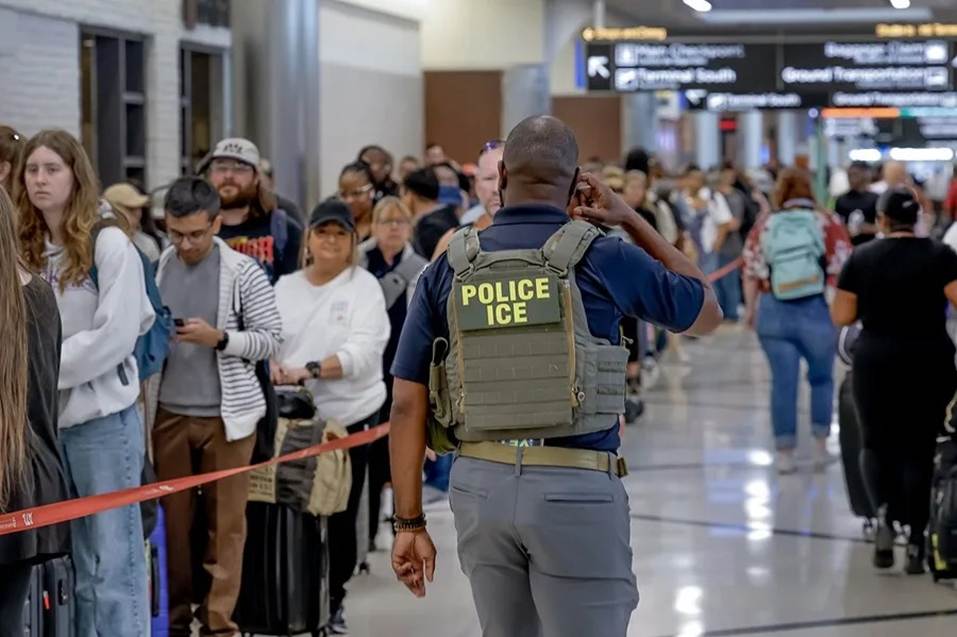
Aggressive tactics can harm public safety by discouraging community cooperation, making everyone less secure and more vulnerable.
That is not a side effect. It is an operational failure.
Nor is there reason to believe fatal encounters solve the forces driving migration. People leave Latin America because violence, instability, poverty, family separation, and U.S. labor demand push and pull them across borders. Enforcement may redirect routes and raise smuggling prices. It does not erase why people move.
A comprehensive approach involving faster courts, legal pathways, and international cooperation can address migration issues more effectively than raids, inspiring confidence in reform efforts.
Colombia’s protest carries a historical sting. For decades, Washington urged Colombian security forces to professionalize, document operations, and respect human rights during U.S.-backed security cooperation. Bogotá is now asking whether an American federal agency will meet the standards the United States exported southward.
That question deserves an answer larger than one case file, and sustained advocacy is necessary to ensure that reforms are implemented and upheld, not just discussed in isolated incidents.
Durán’s daughter should not become a symbol used to pre-judge every fact. Neither should her presence be incidental. Immigration enforcement happens inside human lives, not on a policy diagram. The state may use force when truly necessary. When death follows, the burden belongs to the state to prove necessity, disclose evidence, and correct the conditions that made it possible.
Not every fatal encounter is unjustified. Everyone is a test. Right now, ICE’s policies, training, tactics and oversight are failing that test too often, and reform should not wait for another child to be sitting nearby.
Also Read: Peru Hands Keiko Fujimori the Keys to a Haunted House