Mexico-U.S. Sanctions Pull Back the Curtain on CJNG’s Business Empire
U.S. sanctions against 55 Mexico-linked people and companies expose how the CJNG cartel converts fentanyl profits into vehicles, jewelry, property, fuel and alcohol businesses, forcing banks and regulators to confront the commercial infrastructure that keeps organized crime liquid and moving.
The Cartel’s Balance Sheet Comes Into View
In Mexico’s financial system, a sanctions notice is never just paperwork. It lands on a compliance desk and turns ordinary-looking companies into urgent questions. Who owns the gas distributor? Why do reported earnings fail to match cash flows? How does a quiet business acquire luxury cars, jewelry and real estate?
Those questions now surround 39 people and 16 entities sanctioned by the U.S. Treasury for alleged links to the Jalisco New Generation Cartel, or CJNG. Washington says the network supports fentanyl trafficking into the United States. Mexico’s Financial Intelligence Unit then reviewed and blocked the same 55 targets, citing signs of money laundering, heavy cash activity and mismatches between declared income and banking flows.
The arithmetic is simple. The structure is not. Thirty-nine individuals suggest managers, relatives, intermediaries and financial operators. Sixteen companies suggest something more durable: legal shells that can invoice, hire, buy property, move fuel, sell alcohol and blend criminal revenue into commerce. Mexican investigators described some as apparent front companies with little visible activity.
Modern cartels are not only armed organizations. They are business systems. Violence protects territory, but accounting protects profits. A group that cannot store, disguise and reinvest cash has a short runway. One that can place money in real estate, retail or energy can survive arrests and leadership deaths.
Fuel and alcohol companies are especially revealing. Both can involve frequent transactions, layered distributors and hard-to-monitor inventory. In Mexico, where informal commerce sits beside global manufacturing and sophisticated banking, illicit money can hide inside the economy, behind a plausible invoice or paperwork that looks clean until several databases are compared.
Sanctions Work Only When Mexico Moves Too
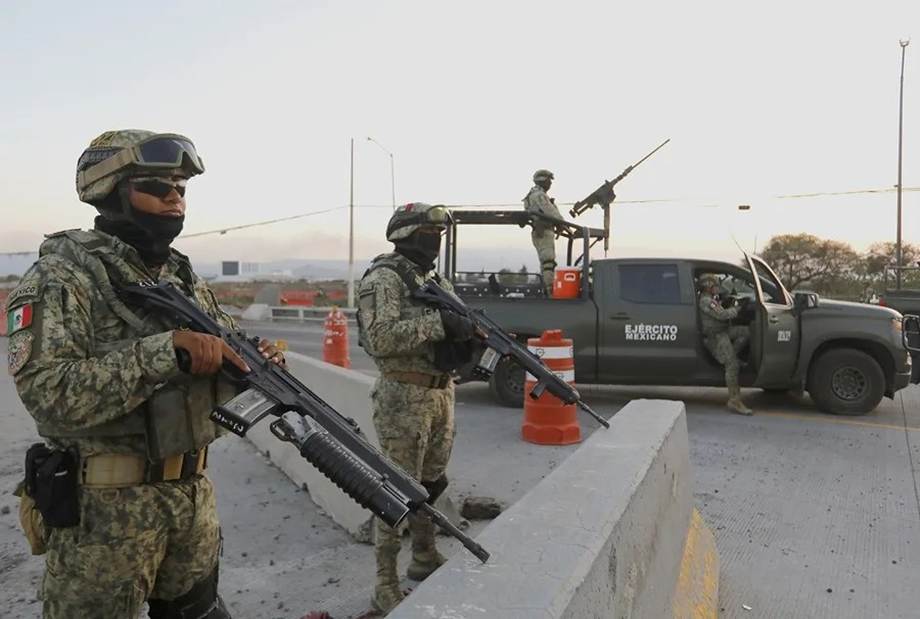
U.S. sanctions can cut targets off from the dollar system and make banks, suppliers and investors wary. Yet their force inside Mexico depends on Mexican institutions. That is why the Finance Ministry’s immediate account freezes matter more to business than the diplomatic language surrounding them.
Mexico did more than endorse Washington’s action. Its Financial Intelligence Unit analyzed transactions, placed the sanctioned names on the national blocked-persons list, filed a complaint with prosecutors and added eight more alleged network members. The move turns a foreign designation into a domestic event. Accounts can be frozen, contracts questioned and counterparties scrutinized.
For legitimate companies, the ripples will be uncomfortable. A distributor may find a customer is sanctioned. A landlord may trace a tenant’s ownership to a blocked individual. A bank may decide an entire sector or municipality carries too much risk. Such de-risking can isolate criminals, but also deny credit to lawful businesses sharing geography or suppliers.
The challenge is precision. If authorities publish names without explaining corporate links, transaction patterns and beneficial owners, private firms are left to guess. Guessing produces two outcomes: excessive caution toward innocent clients, or superficial compliance that freezes one account while the money moves through another company.
There is also a sovereignty calculation. Mexico has long resisted having Washington define its security agenda. The Trump administration’s classification of CJNG and other cartels as foreign terrorist organizations intensified that tension. By emphasizing its own analysis, Mexico signals cooperation without conceding it is simply carrying out U.S. orders. Joint action is more credible when both governments can defend the evidence under their own laws.
A Leadership Vacuum Becomes a Commercial Risk
The sanctions arrive during a volatile succession. Mexican security officials say four senior CJNG figures are under investigation as possible successors after the death of Nemesio Oseguera Cervantes, known as El Mencho. U.S. authorities have identified Juan Carlos González, alias Pelón, as a new leader and offered a reward of up to $5 million. The gap between one presumed heir and four competing power centers is not semantic. It is a forecast of how the organization may behave.
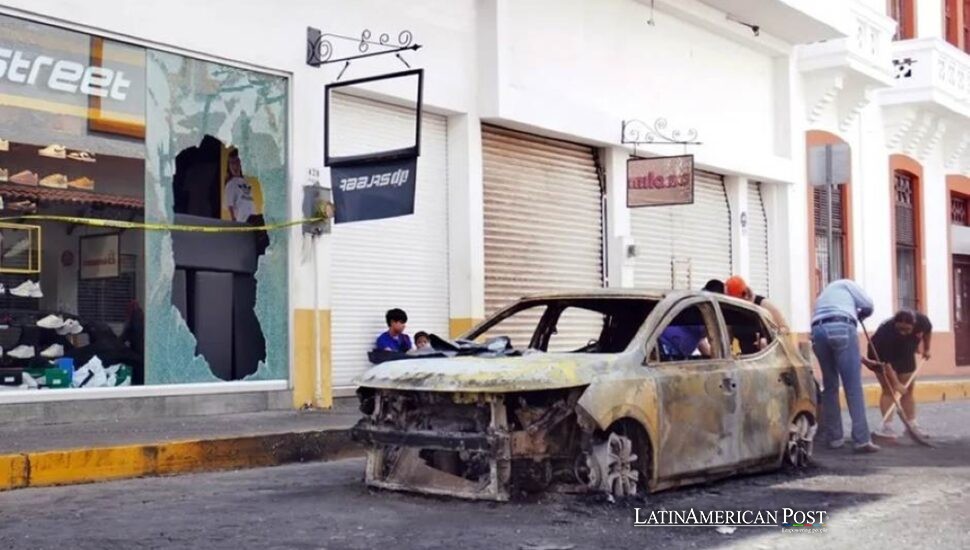
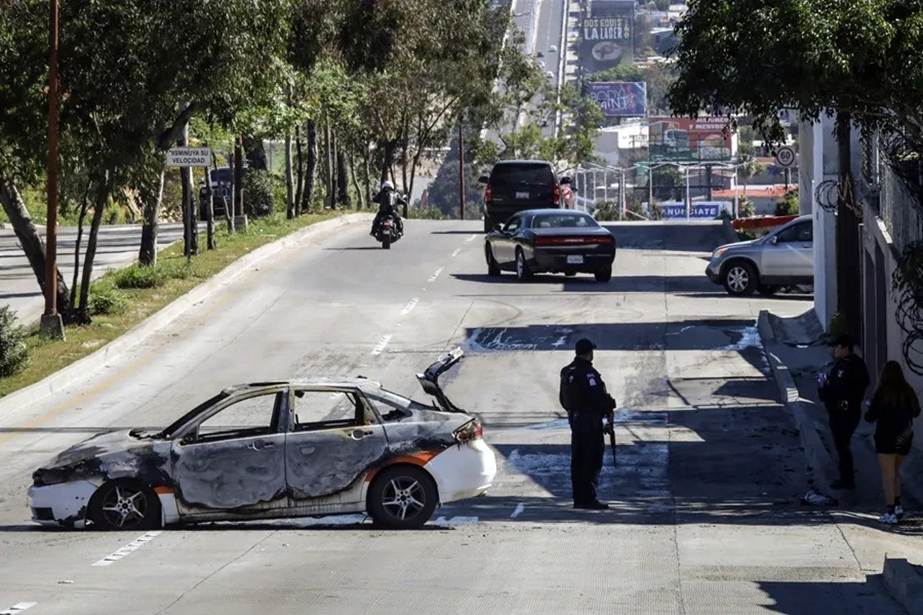
A centralized cartel can impose rules across territory. A fractured one may produce bidding wars for loyalty, violent contests over routes and new pressure on local businesses. After El Mencho’s death, authorities reported road blockades, burned gas stations, torched vehicles and attacks on commercial establishments. The government said security normalized within days, but a reopened highway does not erase a missed delivery, a destroyed storefront or the fear carried home by workers.
The reported deaths of 25 National Guard members and more than 30 alleged cartel members show the confrontation’s scale. For the broader economy, quieter costs may spread further: higher insurance, delayed freight, reduced tourism, tighter credit and more private-security spending. Jalisco is not an isolated frontier. It is an industrial and logistics hub tied to national supply chains and export markets.
Financial sanctions can weaken a cartel’s ability to pay operatives and replace assets, especially when the United States and Mexico act together. But front companies can be discarded, nominee owners replaced and cash shifted into new sectors.
The durable test is whether investigators can turn account freezes into prosecutions, asset forfeitures and transparent ownership records. The 55 targets provide a map of the alleged network. What happens next will show whether authorities can dismantle the roads on that map, rather than simply forcing the traffic onto darker ones.
Also Read: Cuba Turns Out the Lights on Its Prized Cigar Festival