Guyana Ferry Disaster Reveals the Hidden Cost of Cheap Passage
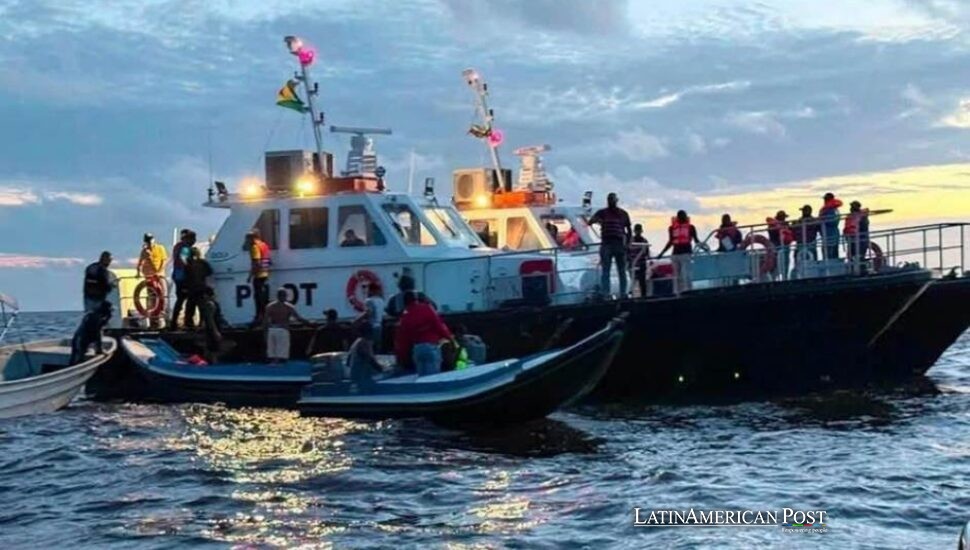
After the MV Barima capsized off Guyana, killing at least 65 people, arrests and missing passenger records have turned a maritime tragedy into a reckoning over neglected infrastructure, weak oversight, and the unequal risks carried by those seeking affordable transportation.
The Manifest That Failed Its Passengers
The MV Barima left Georgetown at about 3:15 on a Saturday afternoon, beginning a 16-hour trip to Port Kaituma. It was among the cheapest ways to move people and goods through a country where water remains a road beyond the capital.
By 11:01, a distress call reached the control tower at Timheri. The vessel had capsized. Survivor Elena Moonsammy described a large wave, a sudden tilt, and water rushing aboard. She survived by holding onto a floating box. She tried to keep hold of her two-year-old child, but the sea pulled them apart. Even then, she helped another woman cling to the debris.
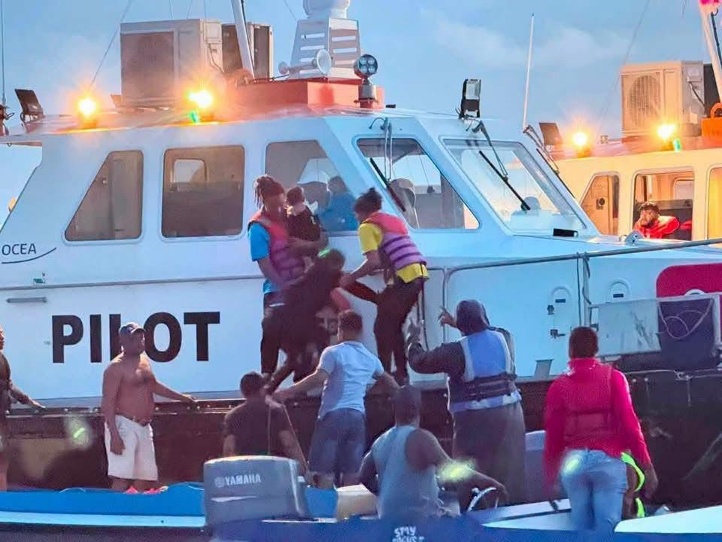
Authorities have recovered 65 bodies and rescued 76 people. With the government using a provisional total of 179 aboard, 38 remained outside those categories. Private boats pulled at least 17 survivors from the water.
The most disturbing number may be 133. That is the total produced by the ferry’s manifest, which recorded 116 passengers and 17 crew members. If 179 people were aboard, then 46 people entered the voyage without appearing in the document meant to account for them.
A manifest looks like paperwork until a ship sinks. Then it becomes a rescue tool, a family’s source of truth, and evidence in a criminal case. An inaccurate list slows searches and deepens panic. It also suggests lax ticketing, weak passenger controls, and poor port supervision in plain sight.
Police detained the captain, the first engineer, and a transport official identified as Granderson, who oversaw ticketing and overloading checks at Georgetown port. The captain and engineer tested positive for marijuana after the wreck. That finding is serious, but it cannot replace an explanation. A toxicology result does not establish when cannabis was consumed, the degree of impairment, or whether it caused the capsize.
Safety Equipment Is Not a Safety System
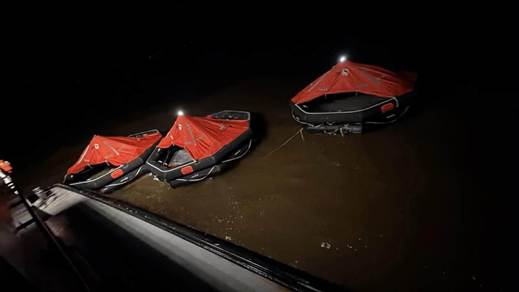
The ferry reportedly carried 250 life jackets and six inflatable life rafts, meeting safety requirements. On paper, there were more jackets than people. At sea, at least 65 people died.
That gap between compliance and survival is where investigators must concentrate. A life jacket buried beneath cargo or unreachable after a sudden list is not meaningful protection. A raft that cannot be launched during panic is inventory, not rescue capacity. Crew readiness, lighting, vessel stability, cargo placement, exits, and flooding speed determine whether equipment becomes useful.
The MV Barima was built in 1939 and measured about 40 meters, or 131 feet. Age alone does not prove a vessel unsafe. Ships can remain serviceable for decades with disciplined maintenance. But an 87-year-old ferry carrying far more people than its manifest recorded demands hard questions about inspections, pumps, electrical systems, and stability standards.
Possible overloading is especially important. Extra passengers add weight, but so do vehicles, fuel, food, appliances, and commercial cargo. On an affordable mixed-use ferry, pressure to maximize each trip can be intense. Operators earn more, merchants avoid costlier transport, and travelers get home. Everyone gains a little until the safety margin disappears.
This is a familiar regional bargain. Across the Caribbean basin and northern South America, remote communities often depend on aging boats, informal ticketing, and underfunded ports. Poor passengers do not choose risk because they misunderstand it. They choose the route available at the price they can pay.
Guyana’s coastal capital and distant riverine communities exist within the same country but not always within the same level of state protection. The Barima disaster exposes that distance. Georgetown had officials, ticket controls, and safety rules. Still, the passenger count appears to have slipped beyond the record before departure.
Justice Must Reach Beyond the Crew
Public anger has settled first on the positive drug tests. Public Works Minister Juan Edghill called them intolerable, and Prime Minister Mark Phillips promised the full force of the law where negligence or criminal wrongdoing is established. Families deserve that resolve. They also deserve an investigation that does not stop with the easiest defendants.
The captain’s judgment matters. So does the engineer’s conduct. But investigators must reconstruct the whole chain: who authorized departure, how tickets were sold, who counted passengers, what cargo was loaded, when the vessel was last inspected, whether weather warnings were available, and how emergency procedures functioned.
Granderson arrived for questioning with a lawyer, as he had every right to do. His detention signals that authorities are looking beyond the bridge toward the port system. Maritime disasters are rarely created by one bad decision. They emerge from tolerated shortcuts that become ordinary because earlier voyages ended safely.
The government now faces a test larger than prosecution. It must publish credible findings, give families an accurate accounting, and reform passenger registration without creating barriers for people who rely on cash or live with weak digital access. It must inspect old vessels without removing affordable transport before alternatives exist.
The cruelest lesson of the MV Barima is that cheap passage was never truly cheap. The hidden cost was carried in weak records and safety margins no passenger could see. Now it is measured in bodies, empty homes, and one mother’s hand losing another in dark water.
Also Read: Nicaragua Votes on Nothing as Ortega Buries the Ballot Box