Cuba Turns Out the Lights on Its Prized Cigar Festival
Cuba’s celebrated Habano Festival will not return this year, as blackouts, fuel shortages, and a shrinking economy make luxury spectacle harder to defend. The cancellation exposes an island where premium cigars still command millions while ordinary daily life loses power.
The Party the Grid Could Not Carry
The announcement arrived in the careful language of event management. After “evaluating the current context,” organizers said the 26th Habano Festival would not be held this year because the standards of excellence that made it an international reference could not be guaranteed.
Behind that polished phrasing sits a harsher fact. Cuba cannot reliably power the stage on which it sells one of its most enduring symbols.
The festival had been scheduled for Feb. 24 to 27, then postponed just one week before opening. Now it has disappeared from the calendar. Habanos S.A., distributor of 27 premium brands, said in a statement reported by EFE that it would monitor conditions and return when it could again deliver the event’s expected quality and prestige.
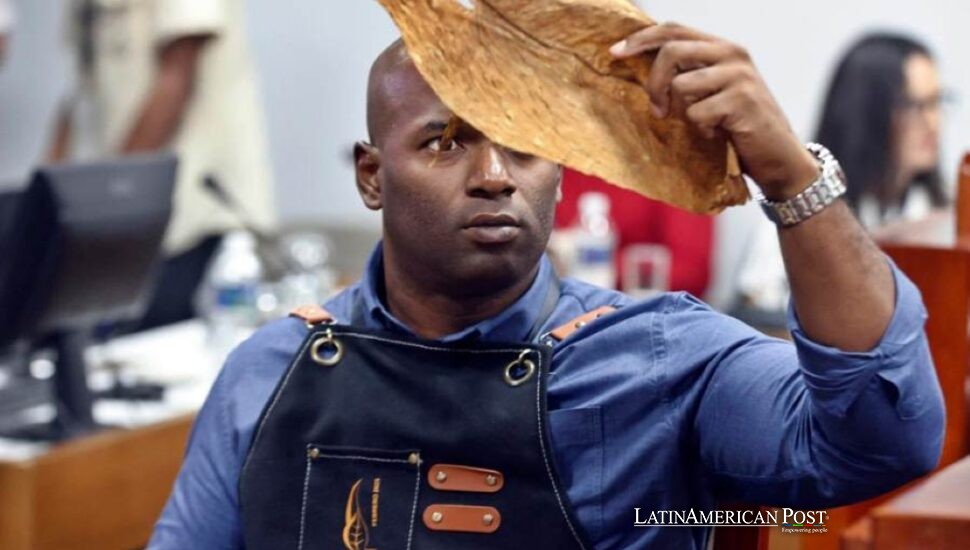
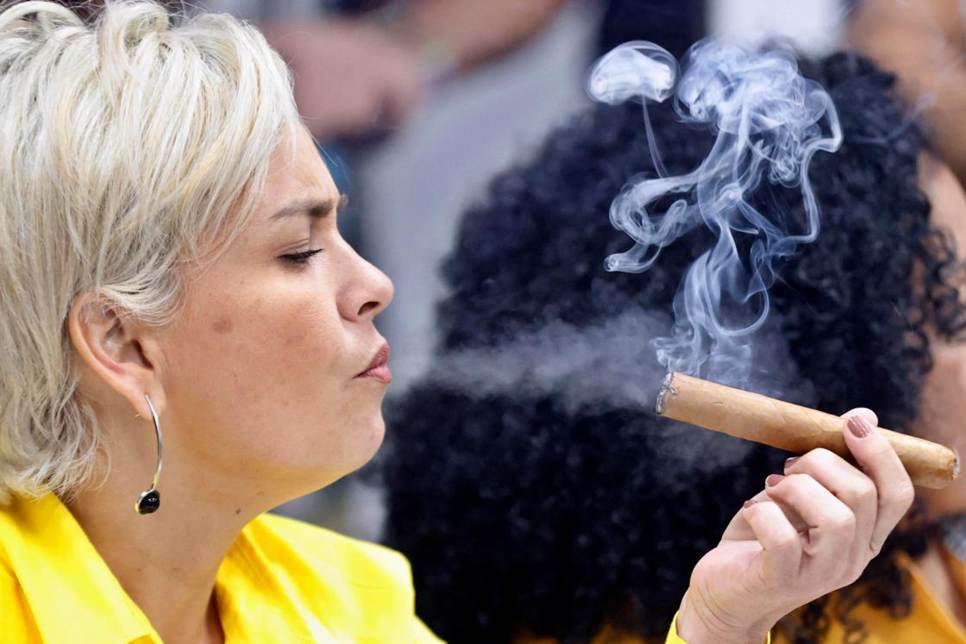
For years, that prestige has depended on contrast. Guests arrive in Havana to visit tobacco farms, attend formal dinners, inspect limited editions, and bid on elaborate humidors. Outside the invitation-only rooms, Cubans manage buses, food lines, darkened homes, and an economy increasingly unable to perform basic routines.
Last year’s edition sharpened the contradiction. A commemorative humidor for Cohíba’s Behike line sold for $5.2 million, the highest price in the auction’s history. Seven major-brand humidors raised about $18.72 million altogether. One object therefore accounted for nearly 28 percent of the total.
The government says auction proceeds support Cuba’s public health system. Yet the 2025 gala at the National Capitol drew criticism because much of the island was enduring prolonged blackouts. A dinner meant to project national excellence instead became a portrait of unequal access to light.
This year, the grid has won the argument.
Luxury Smoke Meets a Contracting Economy
Cuba’s energy emergency began deepening in mid-2024 and worsened from January amid a U.S. oil blockade, followed by sanctions imposed in May on individuals and entities maintaining relations with Havana’s government. Those measures tightened an already narrow fuel supply, while aging infrastructure, weak investment, and a cash-starved state left little room to absorb another shock.
The economic numbers explain why an international festival became harder to stage. The state economy is expected to contract at least 6.5 percent this year after shrinking by more than 15 percent across the previous five years. Applied sequentially, those losses suggest an economy roughly one-fifth smaller than before the slide began.
That is not an abstract decline. It means fewer goods moving, fewer workplaces functioning normally, and fewer public institutions able to plan beyond the next outage. Electricity is the operating system beneath refrigeration, hospitals, transport, communications, and production.
The cancellation therefore carries more weight than the loss of a glamorous week. Tobacco remains one of Cuba’s strongest global calling cards, wrapped in the mythology of soil, craft, revolution, and masculine ritual. A Habano is sold not only as a product but as a piece of national time. When Cuba cannot host the world around it, the damage is reputational as well as financial.
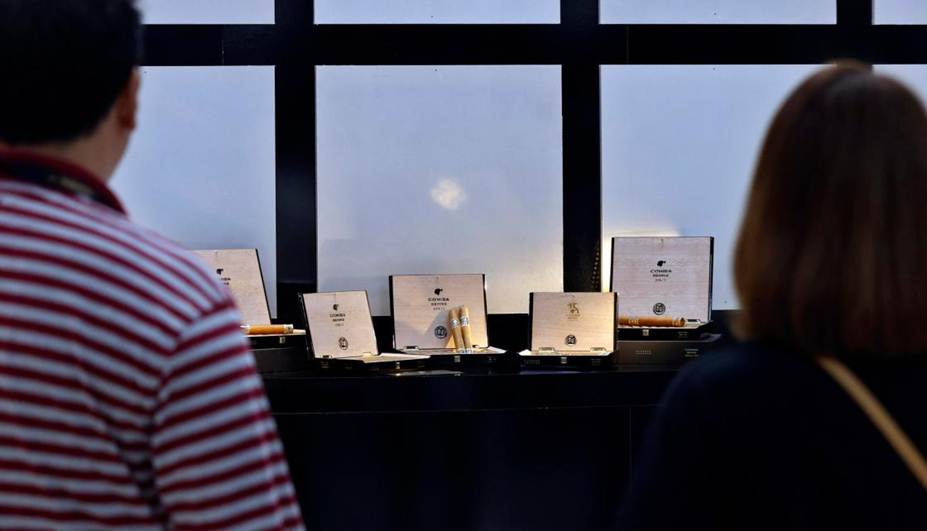
Still, the brand itself is not retreating. The 60th anniversary program for Cohíba will continue, Habanos said in the statement cited by EFE. Its first major event is scheduled for Oct. 7 in London, where the company will unveil Cohíba Talismán and begin an international calendar of exclusive launches.
The symbolism is too neat. Cohíba can leave Havana more easily than Havana can keep the lights on.
A National Icon Goes Abroad
Moving the celebration overseas protects sales and preserves the aura of scarcity. It also reveals how Cuba’s most marketable luxury can operate above the country’s daily emergency. International collectors will still gather. Premium boxes will still change hands. The anniversary will proceed, only at a safer distance from the blackouts that made the original festival untenable.
There is practical logic in that choice. A global brand cannot suspend every campaign until the Cuban grid recovers. Export revenue is especially valuable when the economy is contracting. But the shift asks an uncomfortable question: who is the celebration really for?
The answer has long been complicated. The Habano belongs to Cuba’s cultural identity, yet its highest-end market is largely foreign. Its prices bear little relationship to ordinary Cuban wages. Its grandest auction produces sums most citizens encounter only as impossible figures. The cigar is national heritage, export commodity, diplomatic gift, and luxury theater at once.
Canceling the festival avoids another scene in which chandeliers glow while neighborhoods wait for electricity. That is sensible. It is also an admission that the government can no longer manage the optics of abundance amid scarcity.
Organizers say they are preserving excellence. In a narrow sense, they are. A premium event depends on transport, hospitality, refrigeration, communications, and uninterrupted power. In a broader sense, however, excellence cannot be confined to a ballroom, a humidor, or a perfectly rolled cigar.
For Cubans living through the outages, excellence would mean a refrigerator that stays cold, a clinic that keeps its equipment running, and a night when the fan does not stop.
The Habano Festival will return when conditions permit. The harder question is what kind of Cuba will still be waiting when it does.
Also Read: Brazilian Icon Pelé’s World Cup Jersey Scores Record Auction Millions