Cali Cartel Heir Tries Escaping a Surname Built on Cocaine
Thirty years after Colombia dismantled the Cali Cartel, founder Miguel Rodríguez Orejuela’s son says he never joined its criminal world. His struggle shows how narco fortunes outlive organizations, staining families, cities and memories long after authorities declare victory in public.
The Day the Glass Dome Shattered
On August 6, 1995, Miguel Andrés Rodríguez Moreno stepped from his bedroom and found his mother and other relatives crying in the family living room. He was 17. For one terrifying instant, he assumed his father had been killed.
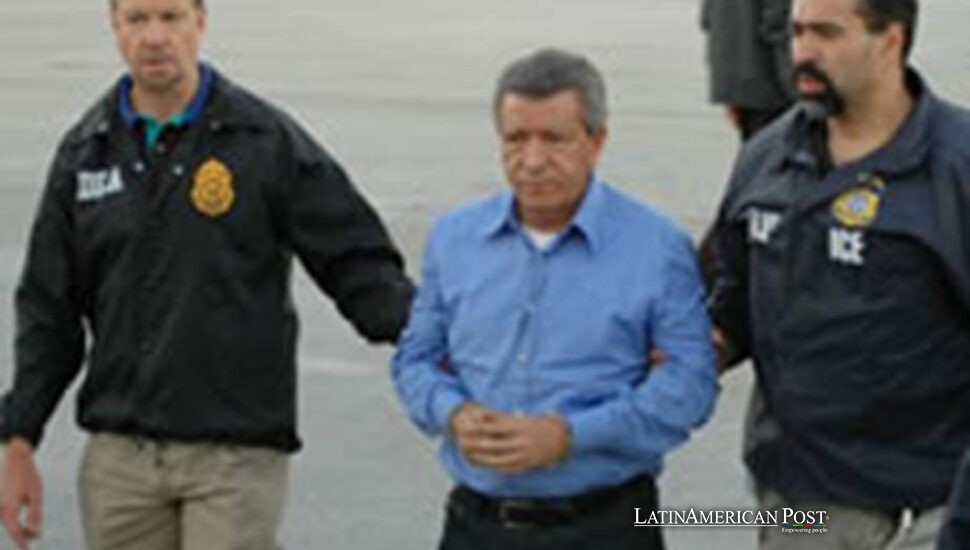
Then came the news: Miguel Rodríguez Orejuela had been captured after months in hiding.
“When they told me he had been arrested, I felt relieved,” Rodríguez Moreno recalled in an interview with EFE. “For me, it meant finding him again, even if it was in prison.”
The sentence reverses captivity’s usual logic. Prison removed a powerful cocaine trafficker, but returned a father to a son who had barely seen him while authorities tightened their search.
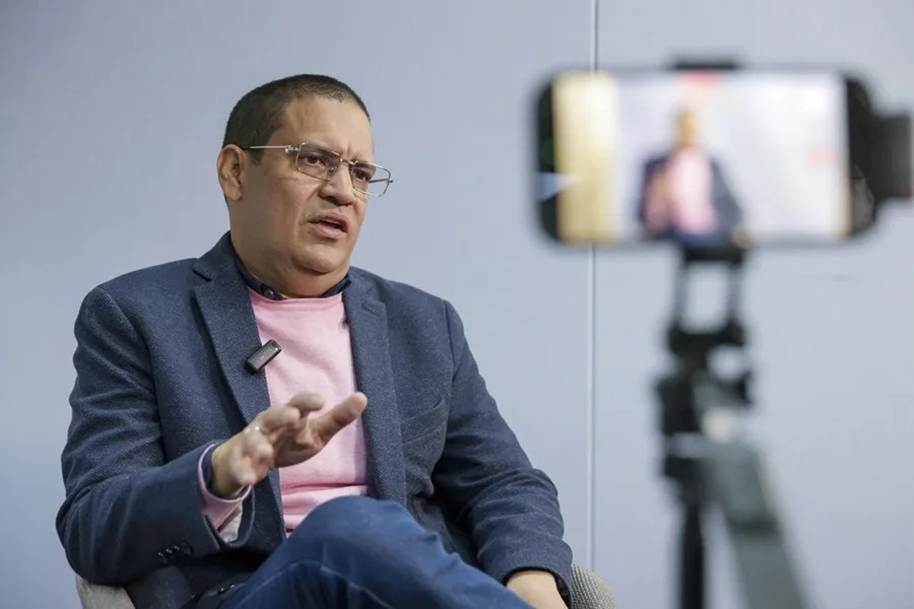
Rodríguez Moreno, now 49, insists he never belonged to the Cali Cartel. He became a lawyer and business consultant, then created the podcast “Punto de Quiebre,” about people rebuilding after crisis. His own breaking point arrived in that room.
He describes childhood beneath a “glass dome.” His mother kept him and his seven siblings away from the family business, he told EFE, when information moved more slowly. Suspicion existed. Full comprehension did not.
Children can benefit from comfort without understanding its source, but the societal impact of the Cali Cartel’s legacy extends beyond the dome, shaping trust, institutions, and community resilience in Colombia, which readers need to grasp to fully understand the long-term effects.
A City Trapped Inside a Cartel’s Name
The Cali Cartel was often portrayed as the quieter rival to Pablo Escobar’s Medellín organization. Its leaders favored compartmentalized cells, financial camouflage, political influence and counterintelligence over theatrical terrorism. At its height, authorities called it the world’s most powerful criminal organization.
That polished image produced the nickname “Gentlemen of Cali,” one of the drug war’s most misleading phrases. The organization laundered billions through businesses, monitored officials and joined brutal conflicts. Its history included social cleansing, retaliation against guerrillas and alliances created to eliminate enemies.
The cartel did not merely export cocaine. It colonized the border between respectable commerce and organized crime.
That is why its afterlife is difficult to contain. A criminal command can be broken when bosses are captured, and accounts seized. A social structure survives in properties, companies, political habits, whispered loyalties and family names.
Cali has spent decades beneath that burden. It is a center of salsa, industry, migration, Afro-Colombian culture and Pacific commerce, yet foreign memory compresses it into a cartel brand. Rodríguez Moreno faces a similar reduction. His surname enters the room first.
Personal innocence and societal memory are intertwined. While Rodríguez Moreno claims he did not participate, his perspective invites readers to consider how justice and collective memory shape identity and societal reconciliation in Colombia.
During the nearly ten years his father spent imprisoned in Colombia before his 2005 extradition, the two developed the relationship freedom had denied them. “When he was in prison, that was when we really got to know each other,” Rodríguez Moreno told EFE. “We shared much more than when he was free.”
The paradox is human. Incarceration reduced a feared cartel boss to a man available for conversation with his son. Humanizing that bond does not rehabilitate the empire. It recognizes that notorious men remain fathers, and their children carry uncomfortable affections.
Inheritance Without a Criminal Conviction
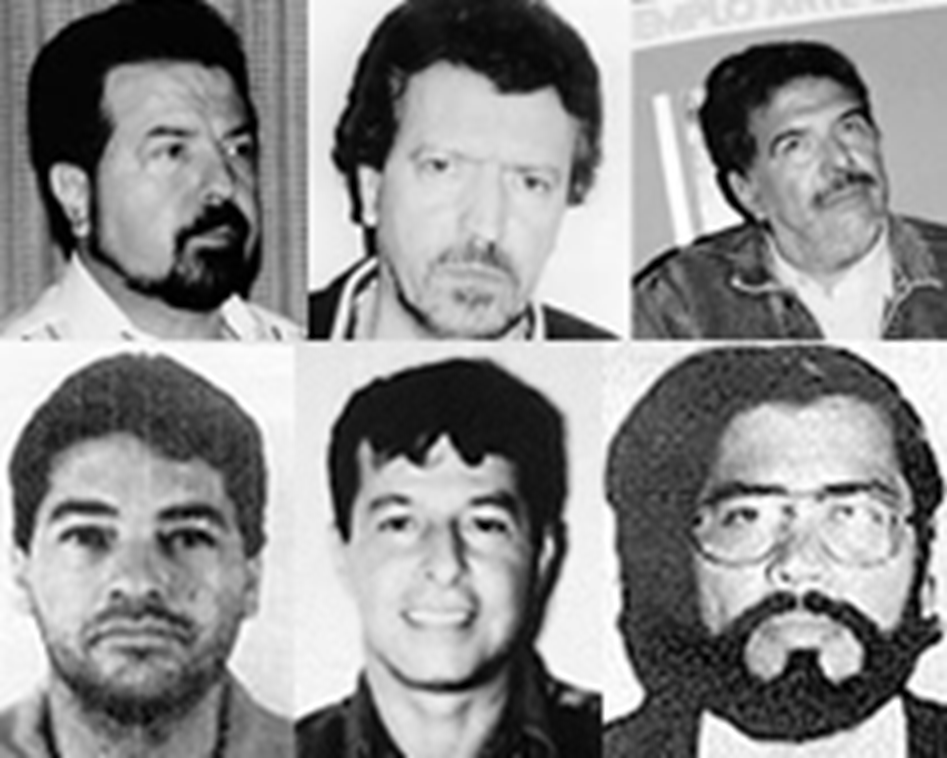
Miguel Rodríguez Orejuela pleaded guilty in the United States in 2006 to drug trafficking and money laundering charges. At 82, he remains in the low-security federal prison in Big Spring, Texas. His brother Gilberto, the cartel’s other central founder, died in a United States prison in May 2022.
Rodríguez Moreno says he speaks with his father by telephone but cannot visit because he lacks a United States visa. He describes age-related memory problems. Time has performed its own demotion. The strategist behind a multibillion-dollar network is now an elderly prisoner remembered through fragments.
The son declines to discuss how the cartel operated or how cocaine trafficking works today. He says he was never part of that history. The restraint may look evasive to a public expecting confession from anyone near power. It may also be honest. Blood is not testimony.
Colombia’s tendency to conflate inherited access with guilt can be addressed by emphasizing that true justice depends on individual responsibility, inspiring a sense of moral agency among readers.
“I have detached myself because I am clear about my self-respect and my clean conscience that I never participated in a criminal act,” Rodríguez Moreno told EFE.
His claim will not erase suspicion. Nor should it erase victims. What it asks is narrower and harder: that a country capable of remembering a criminal empire also remain capable of judging a son by his own actions.
The Cali Cartel made names into weapons, passwords and shields. Thirty years later, Colombia faces the more demanding task of deciding when memory protects truth, and when a name becomes a sentence no legitimate court has ever imposed.
Also Read: Mexico Opens a Second Front for America’s Deported Veterans’ Return