Mexico Opens a Second Front for America’s Deported Veterans’ Return
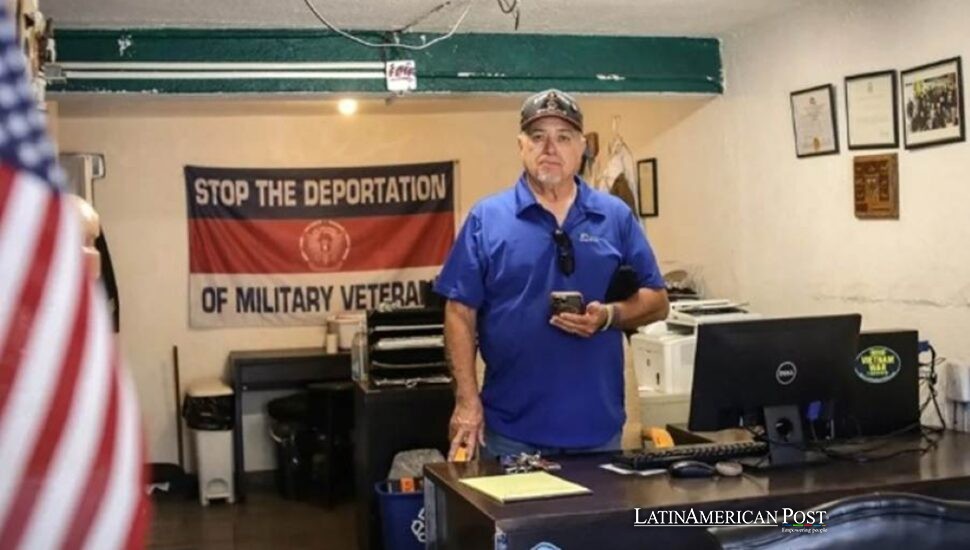
In Tijuana, activist Robert Vivar helps deported U.S. veterans rebuild lives after military service ended in exile, exposing how immigration enforcement can discard men and women once trusted to wear the uniform while families absorb the lasting psychological cost alone.
A Safe Room in a City of Exile
In Tijuana, exile often arrives in a plastic folder. Inside are discharge papers, immigration notices, medical records, family photographs, and proof that a life existed north of the border.
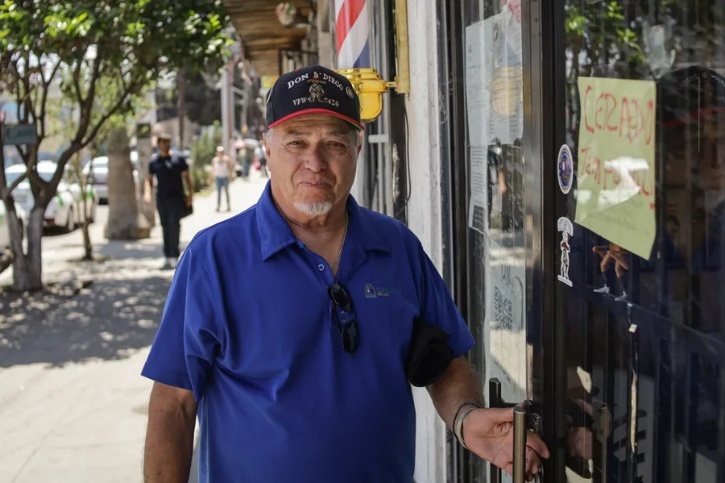
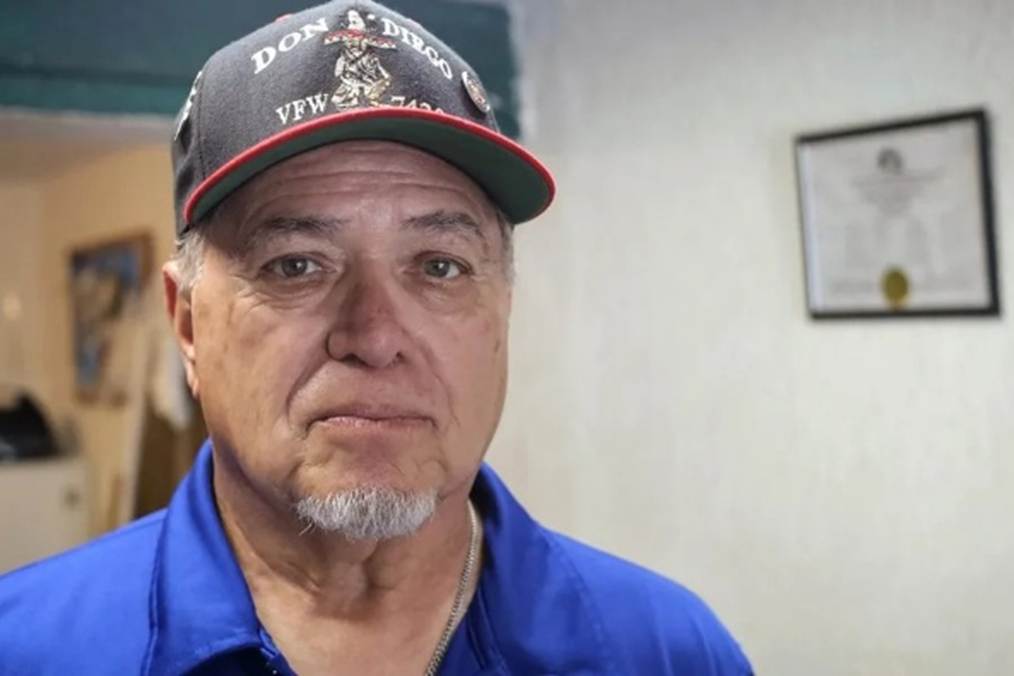
Robert Vivar knows that weight. Through the Unified U.S. Deported Veterans Resource Center, he helps former service members expelled to Mexico obtain legal guidance, medical care, emotional support, documents, work, and, sometimes, a route back to the United States.
The center is more than a charity office. It repairs civic identity. Deportation can remove a home, paycheck, doctor, and contact with children in one blow. For veterans, the rupture adds an insult. The government trusted them with national defense, then let immigration law treat service as beside the point.
“Leaving your family behind through a deportation process after serving a country is something people do not understand,” Vivar told EFE.
He knows separation despite never serving in the U.S. military. His son and grandson, U.S. citizens, are in the armed forces. After deportation, Vivar spent years fighting his own case, regularized his status, and became a U.S. citizen in 2021.
That history gives his work an intimate edge. He sees parents missing graduations, grandparents reduced to video calls, and former soldiers struggling to explain why military service did not protect them from removal.
Tijuana makes the contradiction visible. The city has long been a waiting room for people pushed south, and a workplace for families stretched north. Its neighborhoods and slang bear constant crossing. Here, the border is not merely a line. It decides who may hug, work, heal, and return.
The Wound No Medical Chart Can Measure
Vivar told EFE that public debate focuses too narrowly on whether immigration arrests involve force. “You have to understand that there is damage beyond the physical,” he said.
That damage begins before an arrest. A nighttime raid can turn a knock into a family alarm. Children fear engines outside. Spouses memorize detention numbers. Relatives avoid hospitals or schools because official doorways feel dangerous.
Vivar said he has seen residents with clean criminal records swept into an enforcement climate that treats suspicion as guilt. “There are times when no one knows why they arrest their own citizens,” he told EFE, describing confusion around some operations.
Not every enforcement action is identical. But a system organized around fear creates injuries arrest statistics never count. A detention total shows how many people were taken. It cannot measure missed rent, panic, sleepless children, or a veteran losing medication while records move between agencies.
That is why the center’s services matter politically. Help with documents, jobs, health care, and immigration petitions restores personhood. A work referral brings independence. A medical appointment provides continuity. A legal file forces the government to confront a name and history, not only a case number.
Vivar remembers an earlier border, not a humane one, but one with more visible room for families. “It was better before,” he told EFE, arguing that the Donald Trump administration’s harder approach has deepened the separation of Mexican households.
He recalled relatives touching hands through the fence between the United States and Tijuana. The image is tender and brutal. It exposes a border contradiction: both countries are economically integrated and socially interwoven, yet immigration law can force one family to meet through steel.
Vivar distinguishes institutional racism from the attitudes of the broader U.S. public. That leaves room for solidarity while locating power where it sits: agencies, courtrooms, detention contracts, and policies that make exclusion routine even when neighbors reject it.
From Diplomatic Notes to Courtroom Evidence
The initiative around deported veterans now points toward civil and criminal action against the U.S. Justice Department and companies operating Immigration and Customs Enforcement detention centers. The effort gained urgency after Mexican national Lorenzo Salgado Araujo died in Houston on July 7.
Moving beyond diplomatic notes is not an escalation for show. Diplomatic messages express concern, but lawsuits can compel records, preserve evidence, identify decision makers, and test whether private contractors met obligations. In a system divided among agencies and companies, responsibility can otherwise dissolve into paperwork.
The legal strategy is difficult, and success is not guaranteed. Still, it is necessary. A veteran deported after serving the United States embodies a moral contradiction polite bilateral language cannot resolve. So does a family left without clear answers after a death connected to immigration enforcement.
Mexico’s duty extends beyond receiving deportees. It should fund legal representation, demand transparent investigations, and treat returned veterans as people with binational claims, not administrative leftovers. The United States should create credible routes for return and review, considering service, family ties, rehabilitation, and due process.
Vivar’s work begins in a Tijuana room, with folders, phone calls, and people who expect little. But its argument travels farther. A country cannot praise military sacrifice in public, then quietly exile some who served when their immigration files become inconvenient.
The border may separate two governments. It does not separate the lives they helped create. Deported veterans prove that shared history, and their return should be treated not as a favor, but as unfinished justice.
Also Read: Colombia Lets Memory Bloom Where War Recruited Children to Fight