Simple Ways to Ease a Child’s Fear of Visiting a Dentist
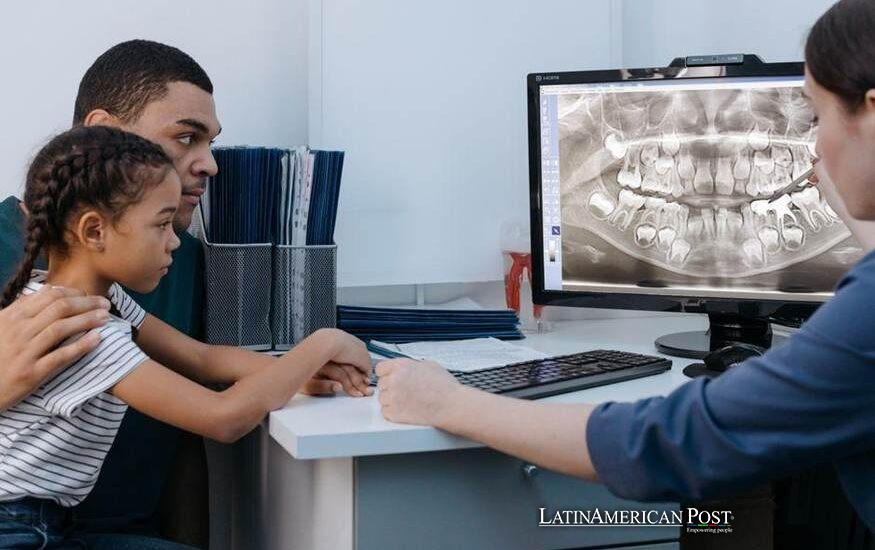
Most kids don’t know what to make of a dentist’s office. It’s a room full of firsts, a chair that leans back too far, a light aimed at your face, strange tools that whir and click. Some children take it in stride. Others freeze up the moment they walk in, and there’s nothing unusual about that. What helps is the work you do before the appointment ever starts.
A few calm conversations, a little practice at home, and a sense of what to expect can turn a scary unknown into something a child can handle. Kids in Lake Stevens are no exception, and with the right prep, a checkup becomes just another thing on the calendar.
Why fear starts
A child’s fear of the dentist usually doesn’t appear out of nowhere. It often grows from the unknown. Kids notice everything, and a dental office is packed with unfamiliar sounds, smells, and routines. Even the whir of a cleaning tool can sound dramatic if you’re three feet tall.
Sometimes fear comes from stories they’ve heard from siblings, classmates, or adults who joke about hating the dentist. Even a silly comment can stick. Kids also pick up on your mood fast. If you seem tense, they may assume something bad is coming.
Pain is another big worry, even when no pain is involved. Many children hear “dentist” and think “ouch.” That’s why first impressions matter so much. A calm and predictable experience teaches your child that a visit can be safe, short, and manageable. Once that trust starts to build, the whole thing gets easier for everyone, including you.
Talk about it early
Fear shrinks when a child knows what’s coming, so bring up the dentist before the visit lands. Skip the long buildup and mention it lightly. Tell them someone will count their teeth, hunt for sugar bugs, and keep their smile strong. Framed that way, it sounds ordinary instead of frightening.
Play makes it stick. Hand your child a toothbrush and a small mirror and let them check a stuffed animal’s teeth. Share a few picture books about checkups. Stay honest while you do it. Skip empty promises like “nothing strange will happen” and try “you might hear some funny sounds, and I’ll be right there.”
Good care for a child comes from people who spend their days with children. Schedule an appointment with a local Lake Stevens pediatric dentist who knows how to talk to young patients, ease their nerves, and walk them through each step with care.
Build better routines
A smooth dental visit often starts long before you leave home. Daily habits matter because they make checkups feel normal instead of urgent. If your child only sees a dentist when something hurts, visits can start to feel like bad-news appointments. That’s a rough pattern to break.
Brushing twice a day and flossing regularly help in a practical way, of course. They can also reduce the chance of uncomfortable treatments that may add to fear. When your child gets used to someone helping them care for their teeth at home, having another grown-up check those teeth doesn’t feel as strange.
Food routines make a difference too. Frequent sugary snacks and sticky treats can lead to more problems, and more problems usually mean longer appointments. You don’t need to ban every cookie like a dessert detective. Just keep sweets balanced with water, crunchy fruits, cheese, and regular meal times.
The goal is simple: make oral care feel like a normal part of life, not a punishment scene.
Pick the right time for visiting
Timing can make or break a child’s mood. A great dentist can still have a hard time with a hungry, overtired kid who missed a nap and has one sock half on. If you can choose the appointment time, think about when your child is usually calmest.
For younger kids, mornings often work well. They tend to be more rested and less overloaded by the day. For school-age children, an after-school visit might be fine if they usually handle transitions well and can have a snack first. If not, a day off or early appointment may be easier.
Try not to schedule a visit right after a packed activity, a rough school test, or anything else that drains their patience. Bring water and allow enough travel time so you’re not rushing in like you’re escaping a game show timer.
Kids do better when the adults around them seem unhurried. A calm window in the day gives your child more room to listen, adapt, and cooperate.
What helps at visits
Small comfort tools can go a long way at the appointment itself. If the office allows it, bring a favorite toy, a small blanket, or headphones with calming music. Familiar items can help a child feel anchored in a strange place.
Your own behavior matters a lot too. If you stay steady, your child is more likely to settle. Try using a soft voice and short, clear phrases. “You’re doing great.” “Let’s take one step at a time.” “Want to squeeze my hand?” Those simple lines work better than long speeches.
Breathing games can be surprisingly effective. Ask your child to blow out pretend birthday candles or slowly puff like they’re cooling hot soup. It gives them something to do with nervous energy.
Praise effort, not perfection. You don’t need your child to sit like a tiny statue. If they open their mouth, follow one instruction, or recover after getting upset, that counts. Brave doesn’t always look calm. Sometimes brave looks wiggly but willing.
After the appointment
What happens after the visit matters more than many parents realize. This is your chance to shape the memory. Keep your feedback specific. Instead of saying, “See, that wasn’t bad,” try, “You listened really well,” or “I liked how you took deep breaths when you felt nervous.”
A small reward can help, but it doesn’t need to be a giant prize. Stickers, extra story time, picking dinner, or a park stop can be enough. The point is to mark the effort, not turn every checkup into a treasure hunt.
Later that day, bring it up casually. Ask what felt easy and what felt weird. That gives your child practice naming their feelings, which can make the next visit less mysterious. If something didn’t go smoothly, avoid shame. Treat it like useful information.
Over time, these little moments build confidence. Your child learns that dental visits are manageable, adults can be trusted, and their smile deserves care. That’s a pretty good win, one tooth at a time.