She Came to Study. Argentina Summons Three Opus Dei Priests
A Bolivian teenager wanted to finish high school. Three decades of domestic work followed. In Argentina, a judge investigating alleged trafficking has summoned Opus Dei’s second-ranking official over her account of who controlled her working hours, earnings, and visits home.
The Brochure in Buenos Aires
At a residence in Buenos Aires’ Belgrano neighborhood, someone showed the teenager a brochure. She could study for a diploma in hospitality, she recalled being told. Months went by. When she asked again about starting classes, the answer had changed. Now she was too old to enroll.
The girl had come from Bolivia at 16, hoping to finish high school near an aunt who lived in Argentina. In court papers, she is M.I.E. She arrived at the Belgrano residence in 1984 or 1985. Decades later, she could still describe the rhythm of the day. Cleaning started at six, before prayers, Mass, and breakfast. Laundry and ironing followed. By the time lunch was over, dinner was to come.
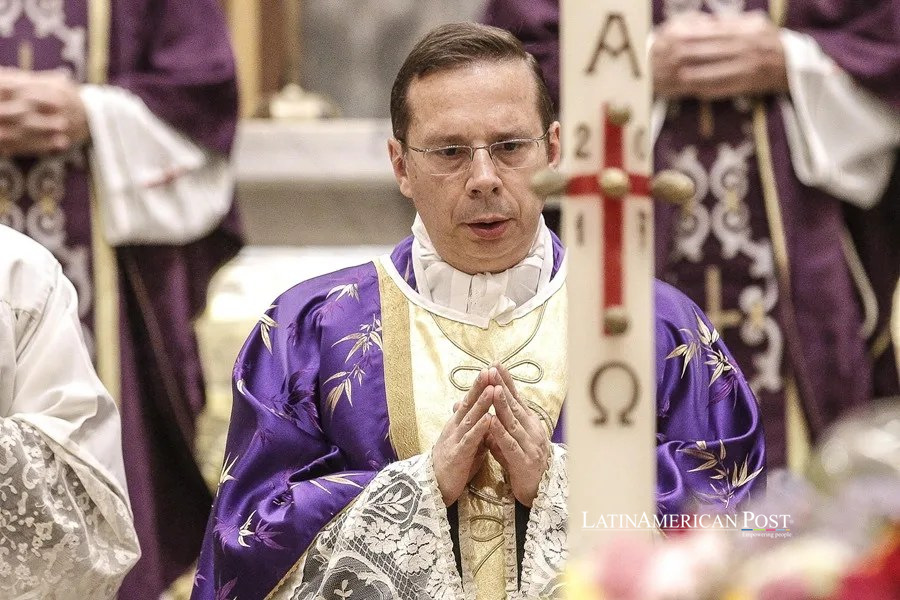
Federal Judge Daniel Rafecas has summoned three priests to question them about what followed. Gabriel Dondo, formerly the regional secretary responsible for Opus Dei’s women’s section, is due to appear on February 16, 2027. Former regional vicar Víctor Urrestarazu and his predecessor Mariano Fazio, now the Catholic organization’s second-ranking official worldwide, are due February 19. The judge is investigating whether M.I.E. was held in servitude and trafficked for her labor.
Opus Dei pledged to cooperate. In a statement reported by EFE, the organization called the accusations “without factual or legal basis.” It said none of the three men had a direct connection to M.I.E. and welcomed their first formal opportunity to present evidence in their defense. M.I.E. testified that she had cleaned Fazio’s room in Buenos Aires. What he knew about her working conditions remains a question for the judge.
Why the Hearings Turn on One Woman
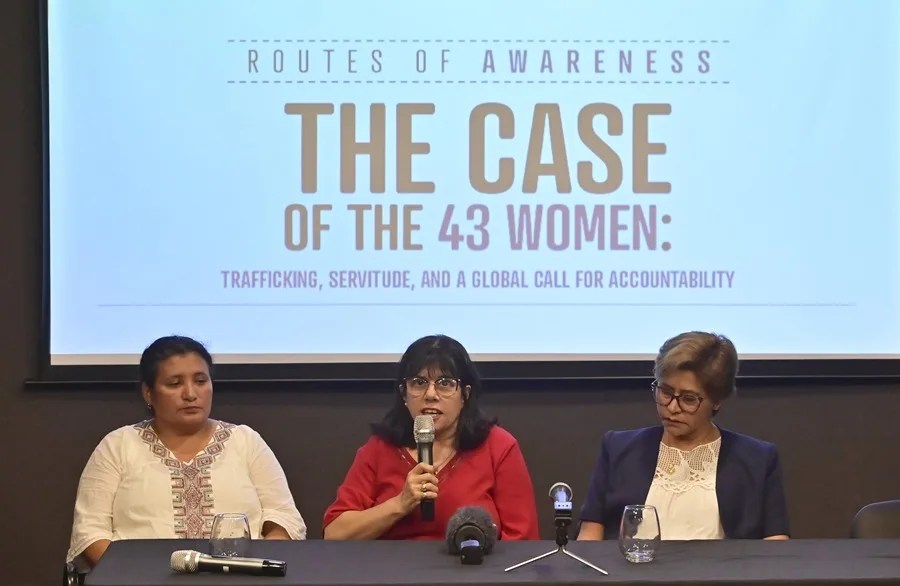
Federal prosecutors identified at least 44 women in the broader investigation. Most, they say, were recruited as minors from families with little money, often in rural communities, with offers of housing and an education. Sometimes the offer came through a priest the family knew. Prosecutors say the girls went on to cook and clean in Opus Dei residences in Argentina and abroad. Some women told investigators that when they received wages, they had to hand them back.
Only M.I.E.’s allegations remain within the time limit for criminal prosecution, EFE reported. Argentina adopted its federal anti-trafficking law in 2008, by which time she had spent more than two decades in the organization. The trafficking inquiry concerns whether officials housed and transferred her between residences to exploit her labor after that law took effect. The servitude allegation reaches back to Belgrano. Other women’s testimony can still matter. Rafecas compared M.I.E.’s account with another former member’s recollection of Dondo’s authority.
Opus Dei calls women who take on this role assistant numeraries. They are lay members who commit to celibacy. The organization describes running its households as both a profession and a religious calling. It says the dispute began in 2020 over pension contributions and that the accusation distorts what a Catholic vocation means. For M.I.E., control over her earnings once came down to whether she could send money to her parents. She testified that she needed permission.
At one residence, M.I.E. recalled, she supervised the laundry and ironing and also covered the front desk. Even the soles of her feet hurt. In Rome, where she was sent in 1993, she said her working day ran from six in the morning until nine thirty at night. Rafecas described a deterioration in her physical and mental health. According to his account, she received psychiatric medication for depression while her working and living conditions stayed much the same.
The Women Who Crossed Borders
Opus Dei began working in Mexico in 1949 and in Argentina and Chile the following year. In 2021, six years after M.I.E. left, it placed Argentina, Bolivia, Paraguay and Uruguay under one regional vicar based in Buenos Aires. Urrestarazu took charge of its Paraguayan delegation. By then, women had been crossing those borders on assignments for decades. A family could accept an offer of schooling in one country and discover that its daughter was working in another.
María Dominga Godoy was 13, one of ten children in Paraguay, when her aunt’s employers offered her a chance to study in Asunción. Two years later, in 1978, she was sent to Argentina. She had yet to set foot in a school, she told EFE. Nélida Ruiz Díaz, who left the Argentine city of Concordia at 15, remembered both the work and the faith she brought to it. “I had to clean ten bathrooms all by myself,” she told EFE. “I believed I was working for God.”
Across 15 Latin American countries, the International Labor Organization found that 76 percent of domestic service jobs were informal in 2022. A woman can approach retirement with little on paper to show for decades of work. That gives the pension dispute significance in its own right. A contribution record can help establish who employed a woman and for how long. Whether she could keep her pay or decline a transfer is harder to read from a ledger.
In March 2015, M.I.E. went to Bolivia to see her parents. Five years had passed since her last visit, she told the court. She had needed permission to make the trip. Once she was there, she decided against returning. Priests called her in Bolivia, she testified, trying to persuade her to come back. This time she stayed.