In Mexico, Yotzin’s Wisdom Tooth Puts Two Dates on One Ancient Life
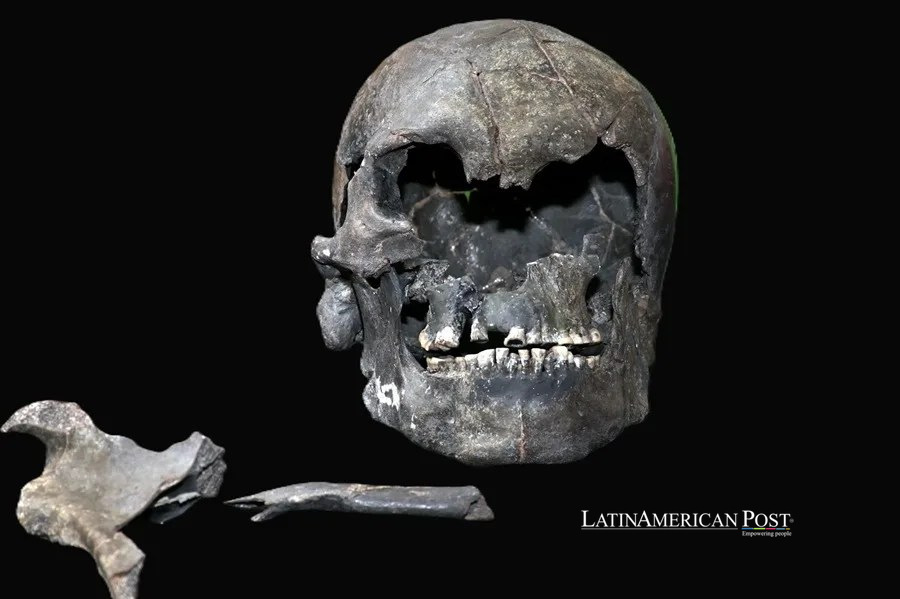
A skeleton found during airport construction near Mexico City may be 13,000 years old. Yotzin’s worn teeth offer clues to an ordinary day, while a pending genetic study could help place this individual among the early peoples of the Americas.
A Gap of 937 Years
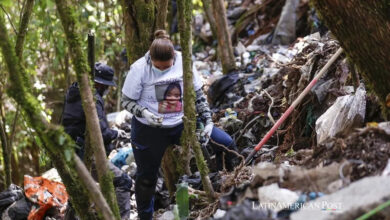
The human bones were as dark as the mammoth and camel fossils in the earth around them. Archaeologist Israel Peña found them in 2021 at Santa Lucía, in the State of Mexico, on the northwest side of the construction site for Felipe Ángeles International Airport. The excavators documented where the person lay and how the soil layers met. To learn when that person lived, researchers looked inside a wisdom tooth.
On Friday, Mexico’s National Institute of Anthropology and History, known as INAH, reported what two laboratories had found in that third molar. In Belgium, ISOTOPIQ Aging analyzed collagen, a protein from the tooth itself. Its estimate ran from 13,087 to 12,987 years before present. The University of Georgia’s Center for Applied Isotope Studies examined bioapatite, the mineral component, and returned a younger range of 12,050 to 11,700 years before present.
The nearest ends of those ranges are 937 years apart. Suppose researchers wanted to compare Yotzin with someone who lived elsewhere in the Americas 12,500 years ago. By the Belgian reading, Yotzin lived earlier. By the Georgia reading, the order is reversed. Both place this person in the Basin of Mexico near the close of the Pleistocene and the opening of the Holocene, the geological epoch we inhabit today. People could already have been living in the basin for generations when Yotzin was born.
INAH counts Yotzin among the 23 oldest known human skeletons in the basin. The distinction matters across the Americas, where much of early human history has to be pieced together from tools. A stone point can be passed from hand to hand. A skeleton gives researchers a person in a particular place, with the possibility that something of that person’s family history survives in the bones.
The Work Between Meals
Sandra López Flores looked for cavities in Yotzin’s mouth and found none. What the dentist could see was wear. For Arturo Talavera González, the physical anthropologist who studied the skeleton, several ways could explain how a sound set of teeth could come to look like that. Among people who lived by hunting and gathering before pottery came into use, he said, chewing tough roots and bark wore down the biting surfaces.
Then there was the work done between meals. Teeth could serve as a “third hand,” Talavera said. Someone softening a hide or cutting plant fibers had a tool ready to use when both hands were occupied. A length of worked fiber stands little chance of surviving all the centuries that separate Santa Lucía from Yotzin’s day. Wear on a tooth can outlast the thing somebody spent hours making.
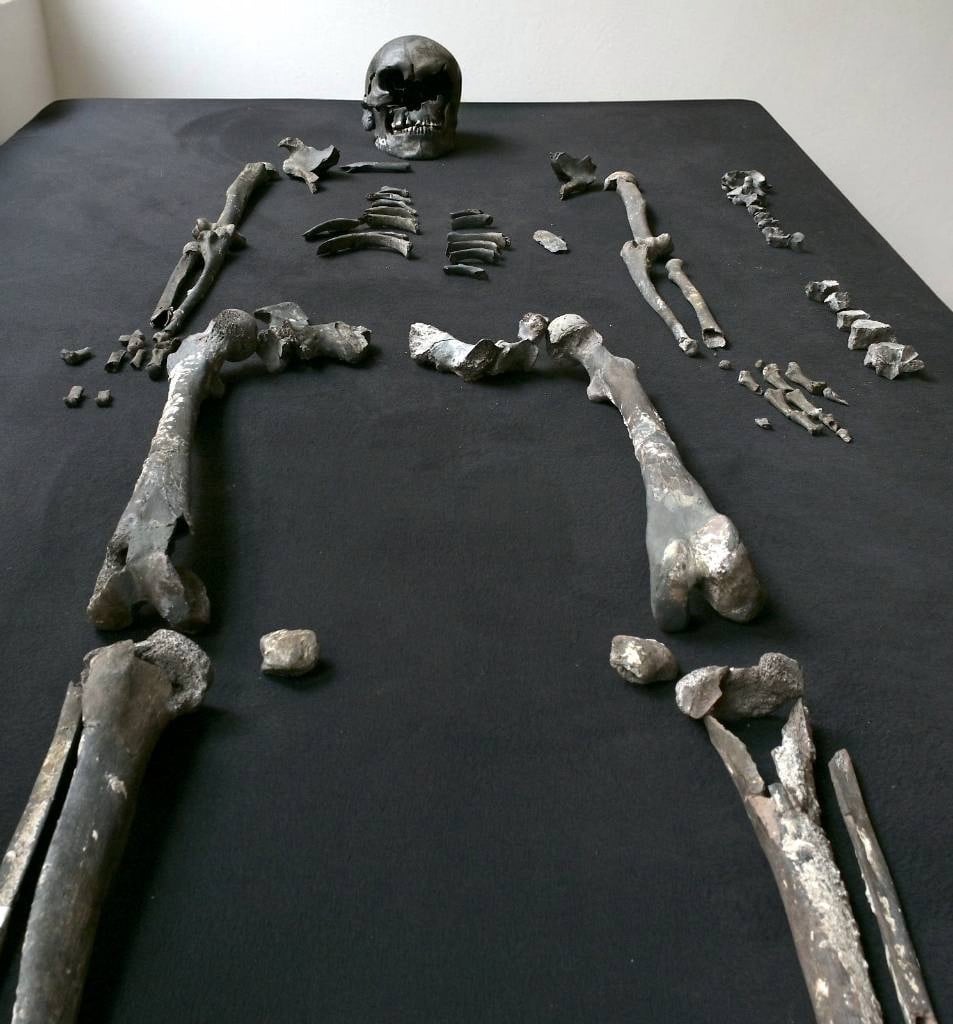
Yotzin stood about 1.75 meters tall, just under five feet nine inches. Talavera described the skeleton as “tremendously robust” and pictured a hunter accustomed to walking long distances and to combat. The unusually heavy bones help explain that impression. A history of fighting is harder to establish from build alone. Peña found no artifact or offering alongside the skeleton, and sharing a layer of earth with a mammoth leaves open whether the two ever encountered each other alive.
Four collections of human remains from the airport reached INAH’s salvage archaeology division in 2022 and 2023. Yotzin was the last Talavera examined. The other groups already differed from one another, he said, and this individual stood apart even among them. The researchers chose a Nahuatl word meaning “unique.” It gave them a name for someone they had come to know through their work. What name brought a reply from this person in life, and in what language, is lost.
Looking Beyond the Basin
In Mexico City, a visitor can walk up to the ruins of the Templo Mayor, where the Mexica worshiped thousands of years after Yotzin lived in the same basin. The airport excavation leaves the public a quieter record. Peña’s team drew the site from above and in cross section. They completed burial forms and took photographs. Those pages let another researcher check the position of Yotzin’s bones against the fossil layers long after the crew has packed up and the patch of ground itself has become part of an airport.
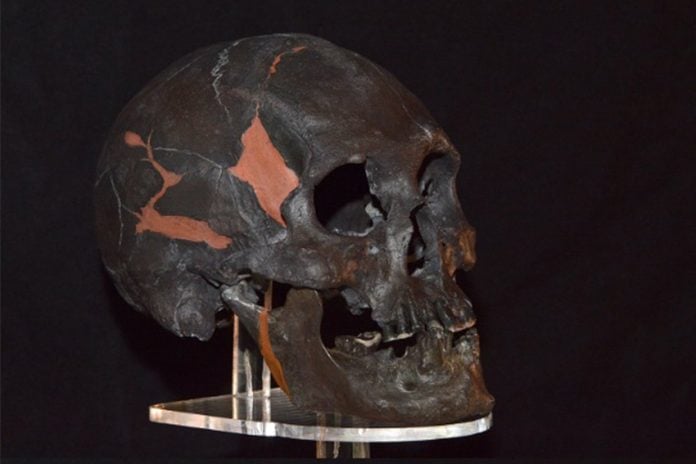
One comparison Talavera wants to pursue begins with Yotzin’s elongated skull. He sees a resemblance to the Pericú of the southern Baja California peninsula. Shape alone can suggest where to look for kinship, but independent evidence is needed to establish a connection across that distance and time. Talavera said the University of Burgos in Spain could have results from a genomic study in the first quarter of 2027. If usable DNA and suitable comparisons are available, researchers could test which ancient populations shared more ancestry with Yotzin.
For archaeologists in Central and South America, a genetic result from Santa Lucía would offer a dated individual from the Mexican highlands to compare with their own finds. Even a close match would leave open which way families traveled and how many generations the journey took. Working that out would take other individuals from other sites, each as carefully documented as Yotzin. For now, the most intimate evidence concerns a smaller question. Peña found no worked hide alongside Yotzin. The teeth that could have softened one survived.