Is a Video CV Worth It? What Recruiters in the Region Actually Watch
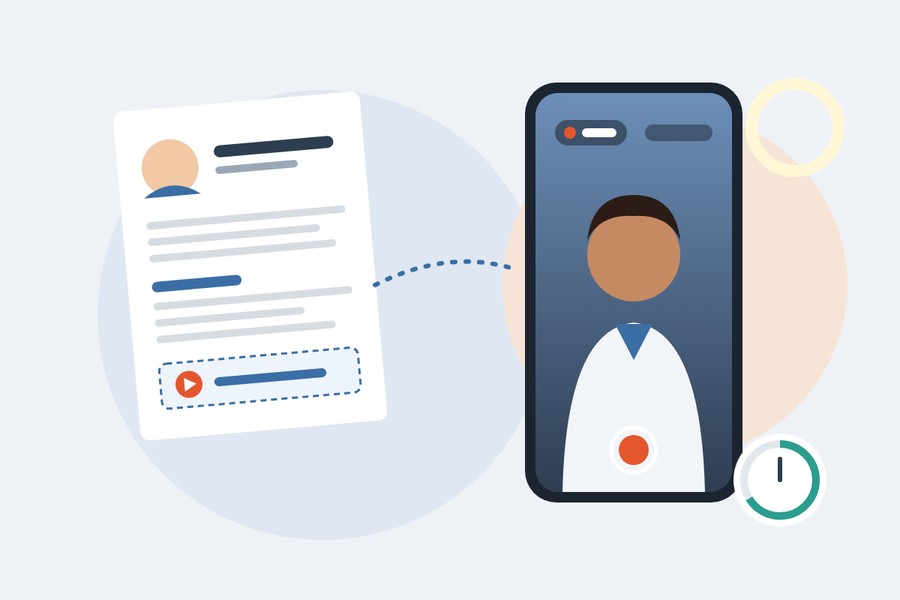
Phones have made the video CV easy to record, and some candidates in the region now send one with their application. In Mexico, a recruiter at the job boards Bumeran and ZonaJobs told Expansión that about two in 10 CVs she reviewed arrived as videos, though a Michael Page recruiter in the same report called the format far from standard. Here’s when a short clip helps an application in Latin America and when it hurts.
The Video CV Is Back, This Time on Your Phone
The idea is decades old, but the format has changed. Long, horizontal recordings have given way to vertical clips shot on a phone, the same style people scroll through on TikTok and Instagram Reels. In 2021, TikTok even ran a pilot that let users apply to companies such as Chipotle and Target by video, SHRM reported. Video-first job apps like CazVid brought 30-second phone clips to Mexico, Colombia, El Salvador, and Costa Rica.
Younger candidates raised on short video are driving the trend, along with bilingual professionals applying for remote roles with US or European companies. For them, a clip is a fast way to prove their English before anyone schedules a call.
Where a Video Helps and Where It Backfires
A video earns its place when communication is the job. Sales reps, hotel staff, call center agents, and teachers are hired partly for how they talk to people, and a minute of footage shows that faster than a bullet point. The same goes for roles that require English, since a recruiter can hear your level instead of taking “advanced” on trust.
Traditional employers are another story. Banks and law firms favor formal applications, and public-sector hiring follows set procedures, so an unrequested video can look unprofessional.
Bias is the bigger risk. A video shows your face and lets the viewer hear your accent. People judge character from a face in about a tenth of a second, according to Princeton research, and a University of Chicago study found listeners rated statements as less truthful when spoken with a foreign accent. There’s a technical catch too. Applicant tracking systems are built to read text, so a video sent in place of a CV may never reach a person.
Inside a Recruiter’s First 60 Seconds
Recruiters who press play decide quickly. They want an opening line that says who you are and which job you want, and audio they can hear without turning up the volume. Then they listen for one or two concrete results, such as “I cut average response times by 20% at a Bogotá call center.” Everything you say should also match your written CV, since mismatched dates or job titles raise doubts.
Aim for 60 to 90 seconds. Recruiters have told SHRM that watching candidate videos takes too much time, so shorter works in your favor. Speak from a few notes instead of reciting a script, which tends to sound stiff. Record in the language of the job posting. If the ad is in English, so is your video, even for a company based in São Paulo or Lima.
The Written CV Still Gets You Shortlisted
A video can support your application, but it can’t replace it. The CV is what recruiters read and compare, and what gets forwarded to hiring managers. Candidates found through video still have to upload a standard CV to the employer’s system, according to the same SHRM report. In a 2021 survey by the US career platform Tallo of more than 1,500 Gen Z job seekers, 72% said a traditional CV shows their skills better than a video.
Treat the clip as an optional extra. Put the link in your CV header or in the Featured section of your LinkedIn profile, with a clear label such as “60-second video introduction.”
Resume Builders That Pair Well With a Video Profile
The CV does most of the work, so build one that gives your video link a clear spot. In the US, a CV is usually called a resume, hence the name resume builder.
Enhancv: Best overall
Enhancv offers clean, professional templates, and its “Find me online” section gives your video or portfolio link a visible place on the page. A built-in resume checker runs 27 checks on content and layout before you apply, and the company tests its templates against major applicant tracking systems. Its AI translation tool turns a Spanish CV into English or Portuguese while keeping the layout, so each version matches the language of your video.
FlowCV: Best for simple PDF export
FlowCV’s free plan includes unlimited PDF downloads with no watermark, and every template is open to free users. The simple editor suits anyone who wants a tidy one-page CV fast. AI writing and translation tools come with the Pro plan.
Reactive Resume: Best free option
Reactive Resume is free and open source, with no ads and no paid tier. Its interface has been translated into more than 50 languages, and you can write your CV in any language before exporting it to PDF or Word. You’ll need to create an account first.
A Quick Checklist Before You Hit Record
- Face a window for natural light.
- Choose a quiet room and turn off fans and the TV.
- Prop your phone at eye level instead of filming from below.
- Keep the video under 90 seconds.
- Share it as an unlisted link, not a public post.
- Leave out your national ID number (cédula, CURP, CPF, or DNI) and your home address. Skip family details like marital status, too. Fake recruiters go after this kind of data, the US Federal Trade Commission warns.
The Bottom Line on Video CVs
A video CV is worth making when the job depends on how you communicate and the employer is open to it. For a bank or a law firm, skip it and put that energy into your written CV. Everywhere else, keep the clip short and link it from a CV strong enough to win the interview on its own.