Kast Spares His Minister After Chile Cuts Child Abusers’ Sentences
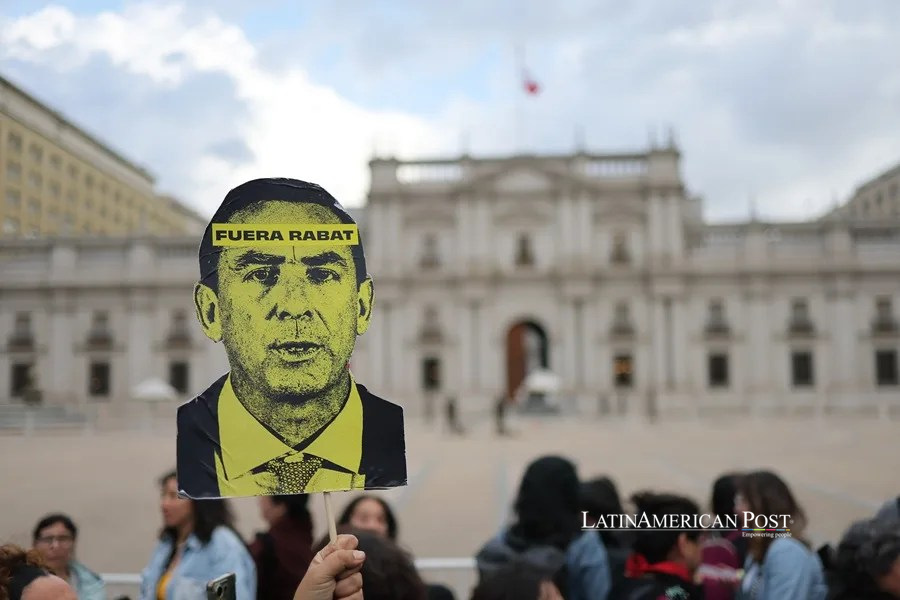
José Antonio Kast promised Chile a crackdown on crime. Justice Minister Fernando Rabat now faces impeachment over shorter sentences for 56 people convicted of sex crimes against children. Court records show his ministry had already fought such reductions and won.
The News Came from Reporters
Lisette had heard a rumor that the man who raped and sexually abused her was out of prison. She didn’t believe it until reporters from Chile’s public broadcaster, TVN, confirmed it. His sentence had been shortened by more than a year. No one from the government had contacted her. She wanted a restraining order. “I don’t want to see him,” she said.
Chile’s prison service knew exactly when it had to release him. If the revised sentence had run its course by the time the decree arrived, the prison had to let him go unless a court had ordered him held on other grounds. The paperwork made no comparable provision for Lisette. Victims in Chile can ask for notice when an offender applies for parole. A sentence reduction for good conduct can move up his release date without triggering that call.
On November 12, ten opposition lawmakers in Valparaíso asked Chile’s Chamber of Deputies to impeach Justice Minister Fernando Rabat. The allegations emerged in October. Lawmakers allege that Rabat violated Chile’s Constitution and its obligations under the Convention on the Rights of the Child. Rabat estimated most of the 56 offenders had already left prison. In the 33 cases TVN examined, the reductions averaged nearly 15 months.
The impeachment filing also covers three former state agents convicted of crimes against humanity they committed under Augusto Pinochet’s dictatorship. Rabat once served on Pinochet’s defense team. Two torture survivors, Patricio Rivera and Ramón Pavez, waited nearly half a century for the conviction of Manuel Cabezas, a former Chilean Air Force intelligence operative. They learned from the press that Rabat had cut eight months off his sentence. Both men are suing the state over the harm they say his early release caused.

When the Ministry Said No
Chile began rewarding exemplary prison conduct with time off in 2003. An eligible prisoner could earn two months for each year served, rising to three after the halfway mark. In February 2022, during conservative President Sebastián Piñera’s final weeks in office, a reform excluded people convicted of specified sex crimes against children. The dispute turns on which rules cover offenses committed before that date.
Rabat argued that withdrawing a benefit prisoners could earn under the old law would effectively increase their punishment after the fact. He told Congress his ministry had to sign once a review commission approved a reduction. Of 126 Supreme Court rulings examined by the Chilean investigative newsroom CIPER, 111 favored prisoners who challenged a denial. Under leftist President Gabriel Boric, courts ordered 250 reductions after the ministry or a review commission refused them, according to figures Rabat sent the Senate. Former Justice Minister Jaime Gajardo said his lawyers went to court to keep prisoners convicted of those crimes from qualifying for shorter sentences.
Judges sometimes reached a different conclusion. They treated early release as a benefit governed by the rules in force when a prisoner applied. Early in Kast’s term, CIPER identified nine cases in which Rabat’s ministry defended its refusals in court. Six stood. On June 15, the Supreme Court upheld one refusal involving a man who had raped a child. On June 16, the ministry issued its first approval under Rabat’s new policy.
Even after that switch, CIPER found 22 cases in which the ministry rejected reductions that commissions had approved, including for homicide and drug trafficking. The grounds for exclusion differed by offense. When officials believed a prisoner was ineligible, they still asserted their authority to turn the commission down. Rabat owes families an explanation of why he stopped defending refusals like the one his lawyers had just won.

The Deputy Who Lost His Job
Kast came to office in March promising a crackdown on street crime and unauthorized immigration. On October 26, with Rabat beside him at La Moneda, the presidential palace, he told victims, “The state failed you.” He put Rabat in charge of correcting the error. Firing the minister might quiet the uproar for a few days, Kast argued. His government ordered a review of the decrees and later announced it had stopped processing all sentence reductions while Congress considered changing the law.
Four days after that appearance, Kast dismissed Luis Silva, the deputy justice minister and a member of his own Republican Party. Silva had posted a video explaining his signature on some decrees. He had signed as acting minister, he said, following the policy Rabat set. He acknowledged making the video without clearing it with his boss.
Kast’s decision divided Chile’s right. In late October, pollster Cadem found that 64 percent of respondents opposed keeping him. Among those who identified with the right, 55 percent wanted him to stay, and 40 percent wanted him out. The left needs votes beyond its ranks to send the case to the Senate. With all 155 deputies present, it would take 78 votes. A Senate conviction would remove Rabat and bar him from public office for five years.
Is Kast washing his hands of the sentence cuts? He took responsibility for changing the policy. What he has sidestepped is why families should trust Rabat to correct a decision the minister still says the law required. Each decree went out, as Chilean law prescribes, “by order of the president of the republic.” Rabat says Kast knew nothing of the reductions before they became public. By the time Kast fired Silva, he knew whose policy the deputy said he had followed. No court required Kast to keep his minister.