Juan Román Riquelme at Boca Juniors: 30 Years Since Eight Became Ten
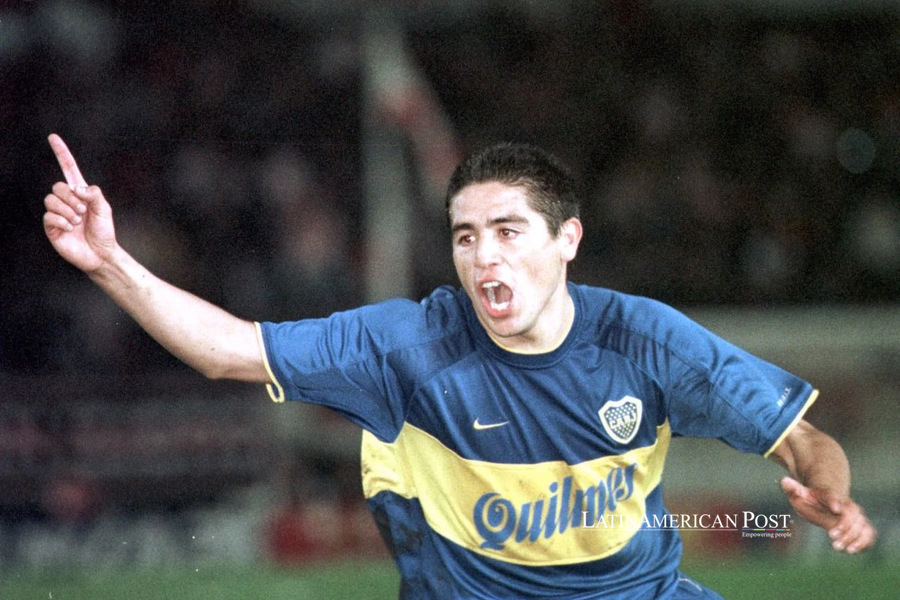
Juan Román Riquelme wanted to watch his Boca Juniors debut on television to see whether it had really happened. Five years later, on another November 10 at La Bombonera, Diego Maradona chose Riquelme’s number ten to say goodbye to soccer.
Give Latorre Some Room
Carlos Salvador Bilardo had a curious instruction for the kid he wanted to play alongside Diego Latorre. Keep away from him. It was November 10, 1996. Unión de Santa Fe had come to La Bombonera for a league match. The stands were already loud, and Boca’s coach was sending out an 18-year-old to help run his attack. “Jugá libre,” Bilardo told him, in EFE’s account. Play freely. Let Latorre draw his defender away so you can see the field.
Bilardo used the familiar Argentine vos, the everyday “you” Riquelme would have heard on neighborhood fields in San Fernando, his hometown north of Buenos Aires. If the new number eight ran toward Latorre, a defender might see both men at once. Put a few yards between them, and somebody had to decide. Follow Boca’s number nine, or turn and close down the teenager with the ball?
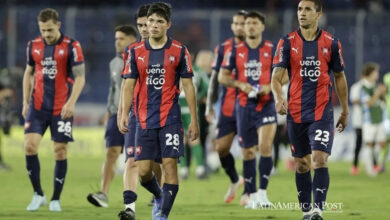
Riquelme had turned 18 on June 24. The ten still belonged to Maradona, who was taking a break from playing. In his first league game, Riquelme looked comfortable taking a pass and making the other men wait an instant while he chose where it should go. He kept finding Latorre. For Boca’s second goal he picked out Fernando Cáceres, a defender who had joined the attack. Unión goalkeeper Arturo Marcelo Yorno denied him a goal of his own. Boca won 2-0. When his substitution was announced, the crowd gave the kid an ovation.
Outside the dressing room, he finally sounded his age. “I can’t believe it. Now I’m going home to watch TV,” he said in remarks recounted by EFE. “I want to see if it’s true that I made my debut, that I did well and that Boca won. It all feels like a dream.”
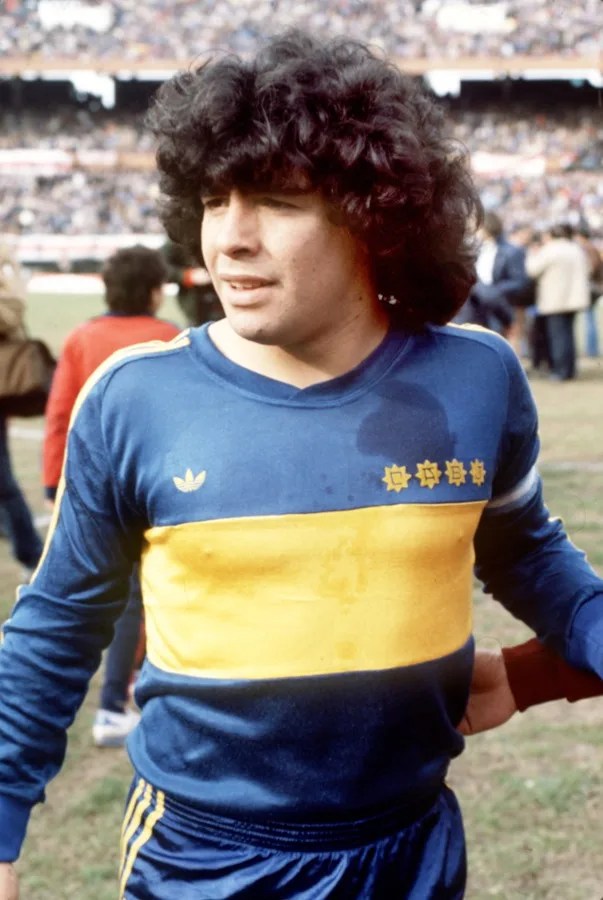
The Shirt Changed Hands
In Argentine soccer, the job Riquelme did that afternoon has a name. The enganche, literally the hook, links midfield to the forwards. Even from high in the stands, you can usually find him. Watch where his teammates turn when they’ve run out of room. Bilardo had coached Argentina to the 1986 World Cup title with Maradona as his captain. Ten years later, he entrusted some of that same work to a kid in his first league game.
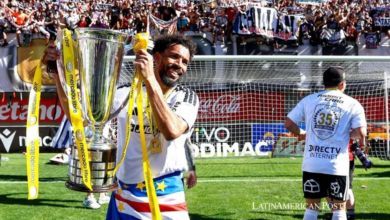
Maradona helped Boca win the league in 1981 and returned to the club in 1995. Riquelme took over the ten in 1997. Less than four years after the Unión game, he had won the Copa Libertadores, South America’s club championship. Boca won it again in 2001, when Maradona came back for his farewell on November 10, five years to the day after his debut; the ten already meant somebody else to a generation of Boca fans.
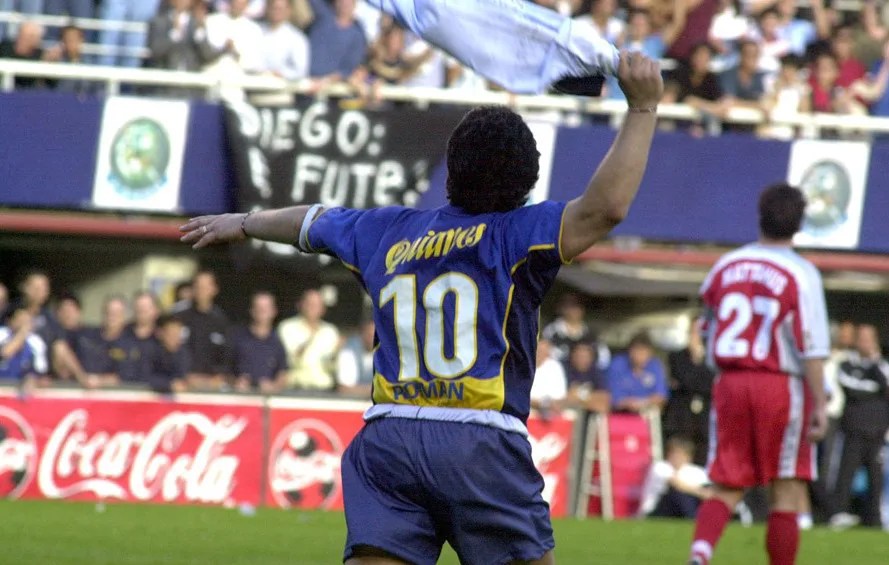
Argentina, coached by Marcelo Bielsa, faced a World XI under Alfio Basile. Uruguay’s Enzo Francescoli, adored across town at River Plate, gave Boca fans a rare chance to cheer him. From Colombia came Carlos Valderrama, another ten who could pick out a runner, and René Higuita, a goalkeeper inclined to take the ball upfield himself. Four years after his last competitive match, Maradona scored two penalties in Argentina’s 6-3 win. In the second half he changed sides and pulled on Boca’s blue and gold. It was Riquelme’s tenth.
Five Words at Midfield
After the whistle, Maradona stood at midfield with a microphone and cried. In the speech recalled by EFE, he called soccer the most beautiful and wholesome sport in the world. “I was wrong. I paid for it,” he said. Five words from the end of that speech still ring around Argentina. “La pelota no se mancha.” The ball doesn’t get stained.
Maradona started with fútbol, a word big enough to encompass the national team he had captained and the business that grew around him. He ended with la pelota, something a kid in San Fernando could tuck under an arm and carry outside. His point was that the sport shouldn’t have to pay for one man’s mistakes. Standing there in a younger player’s shirt, he gave the crowd a glimpse of who would be back at work there after the guests went home.
Boca’s members elected Riquelme president, and he took office on December 27, 2023. Boca, the club down by the Riachuelo, belongs to its socios. Some of the people who applaud a substitution carry membership cards that entitle them to vote. Affection for a player can last a lifetime. A president answers for the coaches the club hires and the young players who get a chance under them. Riquelme now helps choose who stands in Bilardo’s place.
This November marks 30 years since the debut and 25 since the farewell. That first evening, Riquelme wanted a few minutes in front of the television to see what everybody else had seen. He could watch his pass to Cáceres again, get another look at Yorno’s save, listen to the ovation as he walked off. What happened five years later might have been harder for an 18-year-old to believe. Diego Armando Maradona wanted to say goodbye in his shirt.