Marines Drill at Guantánamo as Pressure on Cuba Builds by the Barrel
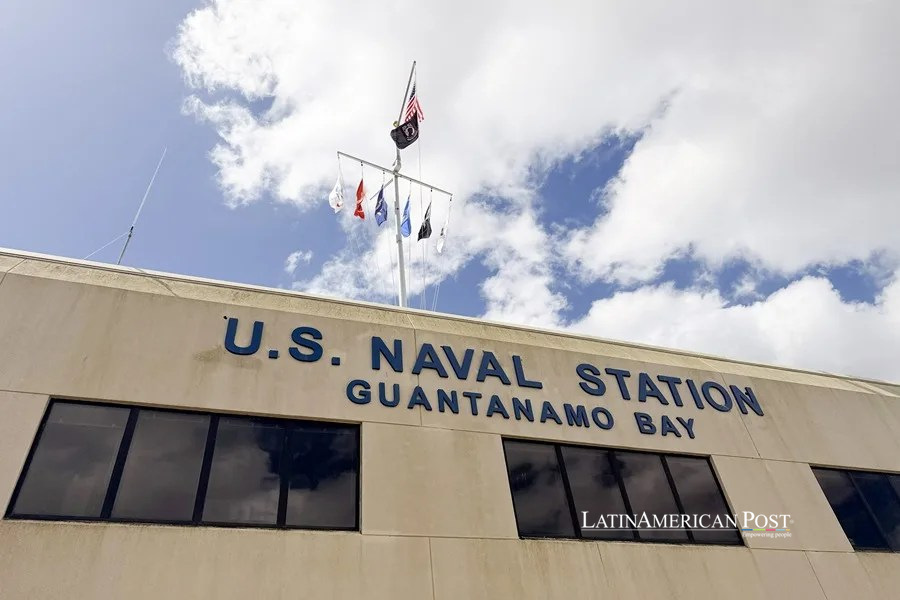
Six days after Washington announced new sanctions tied to Cuba, U.S. Marines began training with live ammunition at Guantánamo Bay. Across Latin America, governments considering an oil shipment to the island must now weigh President Donald Trump’s tariff threat.
Who Gives the Orders at Guantánamo
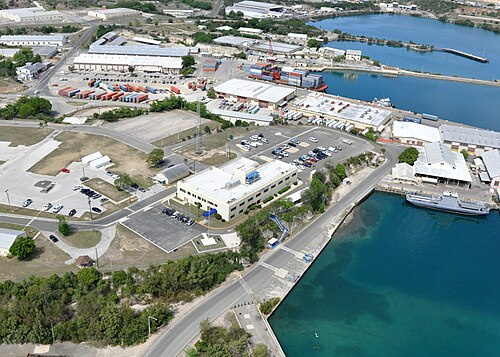
Permission to fire live rounds on that stretch of Cuban soil comes from Washington. It has for more than a century. On Monday, U.S. Southern Command said Marines assigned to Task Force Secure trained at the Guantánamo Bay naval station from November 11 through 13. They fired M240B machine guns and practiced keeping in touch as orders changed. The command described the work as preparation for combat and left open whether it was connected to a planned operation or deployment.
Cuba had been a republic for barely a year when the United States secured the lease in 1903. Washington had made access to sites for naval stations one of the conditions for ending the American military occupation that followed Spain’s defeat. The lease recognized Cuban sovereignty while giving the United States control inside the station. In 1934, as Franklin Roosevelt courted Latin America with his Good Neighbor policy, Washington gave up its treaty right to intervene in Cuba’s affairs. It kept the base.
Since the 1959 revolution, Havana has sought the territory’s return. Elsewhere in the Caribbean, a government can ordinarily accept or decline a request to host another country’s troops. At Guantánamo, Cubans live with an answer given in 1903. A three-day exercise brought that inherited limit on Cuban independence back into public view. Getting other governments to agree to restrictions on the island’s fuel supply is a more uncertain business for Washington. Their consent still matters when a ship leaves port.
What Else Rides on a Tanker
On November 5, the Trump administration announced sanctions against two people and eight companies, including two Chinese firms. Washington said those targeted had ties to Cuban elites, to networks moving oil to and from the island, or to the supply of military equipment to Cuban forces. The Chinese names show how far Washington is prepared to go to secure a Cuban transaction. On the question that matters to the island’s electricity system, how much fuel might actually be lost, the announcement offered no figures.
Even after a Cuban buyer and a seller agree on a price, somebody has to handle payment and insure the voyage. For a bank, the fee on one sale may scarcely justify the time it takes to check the parties involved. It can walk away. The tariff threat introduces a much larger calculation. A government considering an oil shipment to Cuba must weigh the possibility that other goods from its country could become more expensive for Americans to buy.
Consider Mexico, which kept diplomatic ties with revolutionary Cuba when most Latin American governments broke them in the 1960s. Many Mexican factory paychecks depend on customers north of the border. A parts maker in Monterrey would have reason to ask which goods a tariff might cover. Its workers could acquire a stake in a Cuban oil contract without their factory ever having sold so much as a bolt to Havana. That possibility gives a threat some force before a single duty is collected.
Venezuela illustrates what a government might wish to preserve. Under Hugo Chávez, Caracas supplied Cuba with oil on favorable terms while Cuban doctors went to work in Venezuelan clinics. For a patient who gained a doctor, there was something to show for the fuel sent abroad. Cuba, in turn, could obtain oil by offering a service it could provide. A government can have big differences with Havana and still defend its freedom to strike that kind of bargain with a neighbor.
What a Second Night Costs
In some parts of Cuba, blackouts stretch beyond 24 hours. When the lights go out before supper, a household may face a second evening meal before the refrigerator starts up again. A cook who sells food from home stands to lose more than the family dinner. Money for tomorrow’s ingredients is already sitting in the freezer. Once that food spoils, getting the power back settles only half of what has gone wrong.
Havana has denounced the tightening of the U.S. embargo. Cuba’s energy crisis was already severe before November 5. Establishing why the lights failed on a particular evening would take records from the dock and the power plant. Washington wants political change in Havana, but the Cuban government still decides which services get priority when fuel runs short. It also has an American tariff threat to point to when a citizen would like an explanation from the people whose job it is to run the grid.
For years, Latin American and Caribbean governments have registered their opposition to the U.S. embargo with votes at the United Nations. A vote in New York can be explained to the public as a matter of principle. A fuel sale can mean answering to local employers worried about losing American orders. Governments that vote together can reach different decisions at the dock, depending on how much business each can afford to lose with its largest customers.
The Marines finished on November 13. The next consequential date for Cuba may appear on a shipping schedule in another country. Washington can tell that country what it risks by letting a tanker sail. Somebody there, with oil to sell and bills to pay, still has to decide whether to turn a Cuban buyer away.