Colombia Counted 2,634 Missing Girls. Who Is Still Looking?
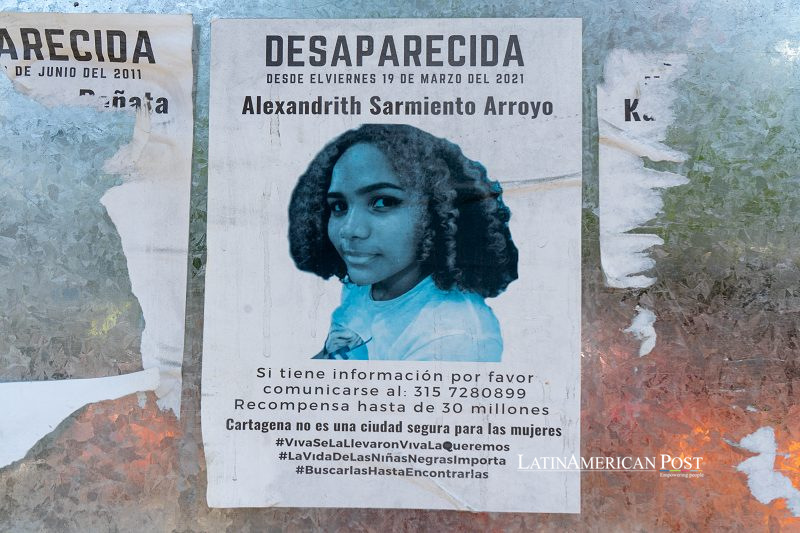
Colombia recorded nearly three times as many reports of missing girls as it did a year earlier. From a Bogotá park to Indigenous communities in Cauca, families know how much depends on who sounds the alarm and who comes looking.
Four Days Between Two Parks
Katherine Chávez knew what the camera had caught. On September 12, her daughter Alana Sofía Castañeda Chávez, 14, had been running around a park in Bosa, in southwestern Bogotá. Her grandmother lost sight of her. On the recording, her mother told Noticias RCN that Alana walked away. The footage gave her family little to go on.
By Tuesday evening, neighbors were out in Bosa asking authorities to find her. On Wednesday, Alana’s school, Colegio Argelia, emailed families and staff. Investigators had found her in a park in Usme, another district in southern Bogotá. She was unharmed, city officials said. Four days had passed. The school thanked those who shared information and said it would keep working with her family.
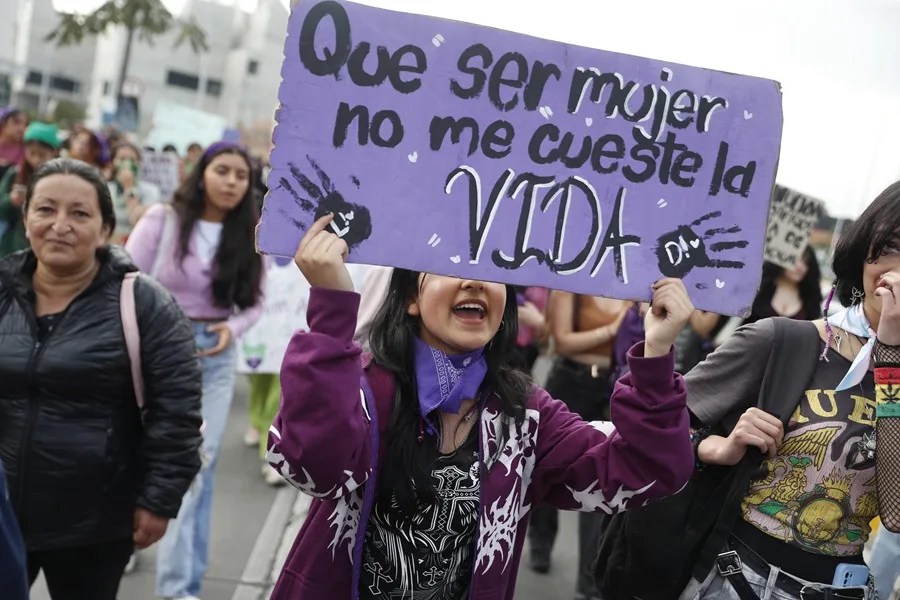
Colombia’s National Institute of Legal Medicine and Forensic Sciences registered 2,634 reports of missing girls from January through September 2026, up from 887 in the same months of 2025. That works out to nearly ten reports a day, compared with just over three. Girls under 18 accounted for seven in ten female missing-person records. As of October 10, 1,574 were still listed as missing, nearly six in ten.
The institute released its figures on November 25, the International Day for the Elimination of Violence Against Women. Subtracting the girls still listed as missing from the original total leaves 1,060. The bulletin never says how many of those girls came home safely. It also leaves open the most urgent question behind the 197 percent increase. What happened in those nine months to put so many more names on the register?
In Bogotá, part of what changed was how quickly people heard about a disappearance. Colombia’s Alerta Rosa system, which circulates public alerts, took effect in April. City security chief César Restrepo told Noticias Caracol in September that news of cases was traveling faster. Meanwhile, he said, 52 children were already back with relatives, although their files lacked confirmation of their return. His count covered boys and girls in Bogotá. How much wider reporting contributed to the national increase remains unknown.
The Aunt Who Called the Teacher
In January 2021, Xiomara Galván called her niece’s day care teacher, Ingrid. Sara Sofía Galván was 22 months old. Her mother had taken her for a visit and had not brought her back. At first, Xiomara told Noticias Caracol that she and the teacher thought her sister might want to keep the little girl. When a call went unanswered, Ingrid offered to speak to the center’s psychologist and director.
When Xiomara sought help from Colombia’s child welfare agency, she said a staff member directed her to a hotline. There she was told that the child was with her mother and that without an address there was little anyone could do. In 2024, a Bogotá court convicted Sara Sofía’s mother and stepfather of her forced disappearance. By the time of the verdict, investigators had spent months searching a river in southern Bogotá without finding her.
The institute’s figures on violence suggest why an aunt’s call deserves attention. Forensic staff examined 14,807 girls for nonfatal violence in the first nine months of 2026. Sexual violence accounted for 60.5 percent of cases. Roughly two in three incidents occurred in a residence, and relatives or acquaintances accounted for about 73 percent of alleged aggressors. These records are separate from the disappearance reports. They do, however, call into question the reassurance Xiomara got over the phone. Someone still needed to see Sara Sofía and find out whether she was safe.
The institute also recorded 175 violent deaths among girls, 98 by suicide and 77 by homicide. It did not indicate how many, if any, had previously been reported missing.
When the Search Party Comes Under Fire
In Cauca, the search for two girls, ages 14 and 15, put one of their mothers in danger. In October 2025, the Jaime Martínez armed group, a dissident faction of the former FARC guerrillas, recruited the teenagers. The Regional Indigenous Council of Cauca said a humanitarian mission that included members of the Indigenous Guard came under armed attack. One mother was assaulted. Community authorities brought both girls back.
A decade after the 2016 peace accord with the FARC, armed factions still compete for territory in rural Colombia. UNICEF says poverty and limited access to schooling give recruiters leverage. Some children seek paid work to help their families. Others are trying to get away from violence at home. A recruiter offering a job can reach a teenager on her phone. Once inside a group, UNICEF says, children cannot leave freely.
Cauca alone accounted for 57 percent of child recruitment cases Colombia’s ombudsman recorded from 2021 through 2025. Families sometimes keep quiet for fear of reprisals, Human Rights Watch found. Some turn to community leaders they believe can bring a child back. How often recruitment figured in the 2,634 disappearance reports is unknown.
Colombia could learn more by publishing, region by region, how long searches take and what investigators establish when they find a girl. Families deserve those answers without asking any child to explain her private life to the country. Colegio Argelia managed that distinction in September. Its email gave Alana’s schoolmates the news they had waited four days to hear. What she might need next was a matter the school would take up with her and her family.