Ecuador Nearly Shelved Her Daughter’s Case. Then Came 32 Witnesses
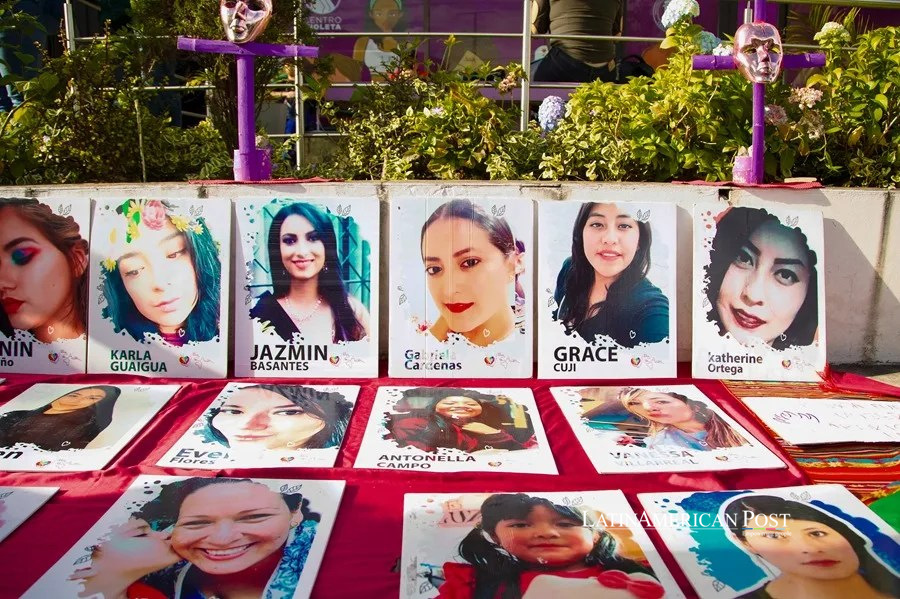
Five mothers met at a march and started a group chat. Four years later, their foundation helps families in Ecuador bring femicide cases to trial, pursue fugitives across borders, and raise the children their daughters should have lived to raise.
The Case That Almost Closed
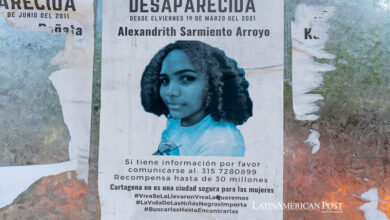
By the afternoon of November 25, 2020, the messages to Cristina Balcázar’s phone had stopped going through. She was eight months pregnant and had gone for a checkup in Santo Domingo, Ecuador. Her family reported her missing. Twelve days later, her body was found on a vacant lot off the road to Quinindé. In time, her mother, María Ortiz, learned that prosecutors might shelve the case for lack of evidence.
November 25 already held a place on the calendar. Latin American feminists chose it in 1981 as a day to protest violence against women, honoring three Mirabal sisters murdered under the Dominican dictatorship in 1960. For Ortiz, the marches now fall on the anniversary of the day her daughter disappeared.
When Cristina’s case finally went to trial, the prosecution presented 32 witnesses. Phone records placed Cristina and her former partner together on the day she disappeared. A DNA test established that he was the father of the baby she was expecting. In December 2025, a court sentenced the former soldier to more than 34 years in prison for femicide. Ortiz credited other mothers with helping her secure the change of prosecutor that kept the case alive.
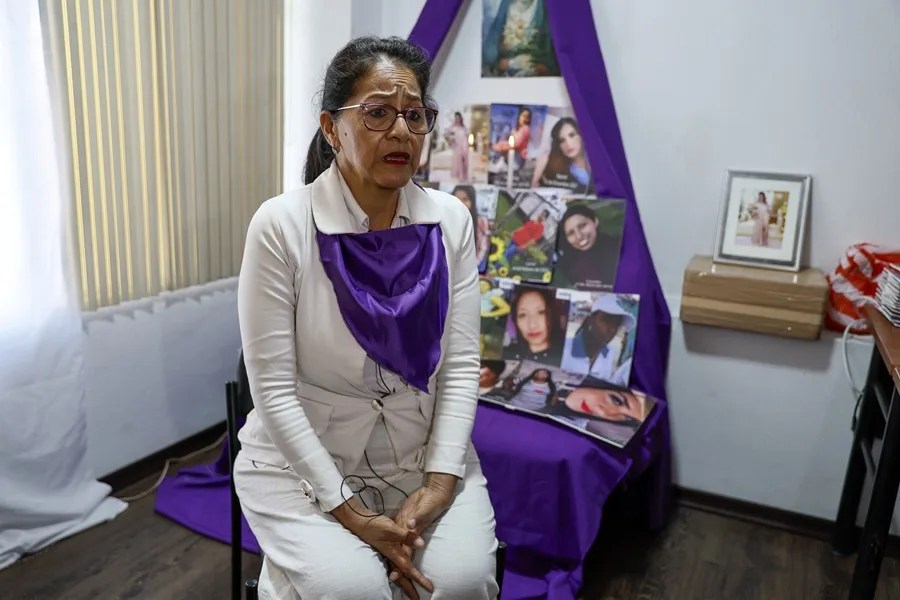
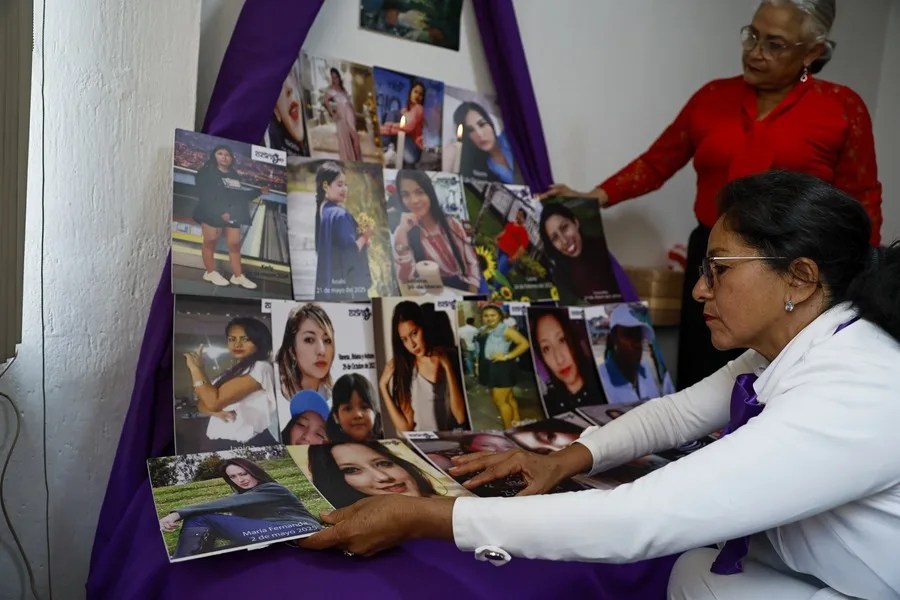
They call themselves Madres Coraje. Five mothers who had lost daughters to violence found each other at a protest in October 2022. “We met and started a chat to see how we could get justice,” cofounder Anabel Campos told EFE’s Cristina Bazán. Four years later, the foundation has more than 50 members and an office in Quito. Ortiz told EFE that having received help herself, she felt bound to offer it to somebody else.
A Birthday Visit to Guayaquil
Campos understood how much could depend on the first account of a death. In October 2019, her daughter Valeria Vargas Campos traveled from Spain to Ecuador with her five-year-old son. She wanted to surprise her mother for her birthday. Valeria was 24 and had been away from her family for six years. Her husband traveled with them. A divorce hearing was 20 days away.
He told police that official taxis at the Guayaquil airport cost too much, that the family had taken another car, and that robbers had carried Valeria off. Airport cameras showed no conversation between Valeria and the taxi drivers. Phone records connected her husband in Spain to an aunt in Ecuador before the trip. Prosecutors established that he had arranged his wife’s killing. He fled the country in 2020 and was still at large when Campos went to the march.
The mothers first protested outside Carondelet Palace, the seat of the presidency in Quito, without success. At the National Assembly, lawmakers took up their cases. Valeria’s husband returned to Ecuador in custody in January 2025. That July, a Guayaquil court sentenced him to 26 years. Cristina’s former partner was extradited from Peru that October. Each mother waited more than five years to see the man responsible for her daughter’s death sentenced.
Over four years, Madres Coraje says its members helped secure five extraditions and bring about ten cases to trial. They also persuaded authorities to reclassify as femicides deaths first recorded as murders or suicides. The distinction changes what investigators need to establish. In Valeria’s case, relatives testified about abuse she had suffered in Spain. She already had a protective order when she boarded the plane.
What the Court Figures Leave Out
Ecuador made femicide a distinct crime in 2014. Since then, the Judicial Council has registered 907 cases, of which 351 had yielded convictions by the time EFE reported in November 2026. That comes to about 39 percent. The council’s June bulletin offers another way to read the figures. Among the 360 judgments that had become final by then, 341 were convictions, about 95 percent.
The larger percentage tells a family what happened once a case made it all the way through court. The smaller one includes cases at different stages, some of which may yet end in convictions. A death still classified as suicide is missing from both counts. Madres Coraje has partnered with the Lexar law firm to advise families and track their cases. Vanesa Justicia, who heads the firm, told EFE that corruption and investigators’ failure to recognize gender violence can leave cases forgotten.
For grandparents, the first expenses come due long before a trial. Ecuador offers a monthly benefit to eligible children from the start of an investigation. Madres Coraje helps relatives obtain it and find counseling. The foundation also runs a candle-making workshop where families can spend time together and learn a skill that might earn them some money. Campos is seeking private support to expand those services.
“We become mothers to our grandchildren,” Campos told EFE. The benefit helps, she said, but it falls short of what raising them costs. After Valeria’s husband was convicted, prosecutors disclosed that a psychological assessment had recommended at least 12 years of care for the boy who traveled with her. Count those years from the day he lost his mother, and they would carry him from his fifth year almost to adulthood.