Colombia Signed a Peace Deal, but Its Photographs Still Carry Coffins Home
A Cali photography exhibition confronts Colombia’s unfinished peace through murdered Indigenous leaders, grieving families, and shattered homes, revealing how struggles over land, political power, and illicit wealth survived the 2016 accord and continue to shape life beyond the negotiating table.
The Weight of Speaking
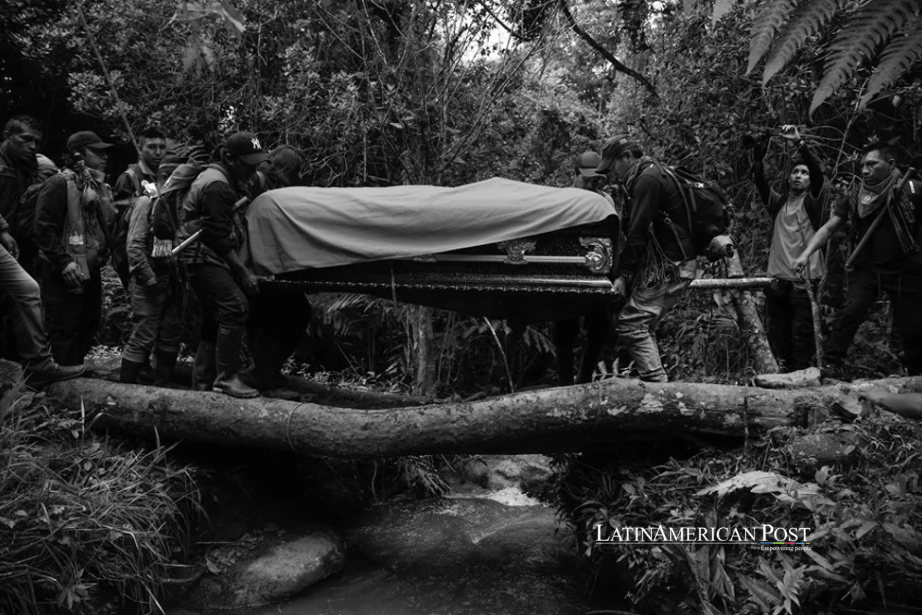
The coffin must get across the stream. In Ernesto Guzmán Ruíz’s photograph, Indigenous mourners carry Albeiro Camayo, an Indigenous Guard coordinator murdered in January 2022 in Cauca. Whatever Colombia promised itself at the negotiating table, somebody still has to bring a neighbor home.
That burden runs through “¡Hablamos!”, an exhibition of 20 black-and-white photographs EFE’s Cali photojournalist has taken since 2018. Presented at Cali’s International Book Festival, the selection follows violence through Cauca and neighboring Valle del Cauca, where the departure of the Revolutionary Armed Forces of Colombia, or FARC, did not guarantee civilian safety.
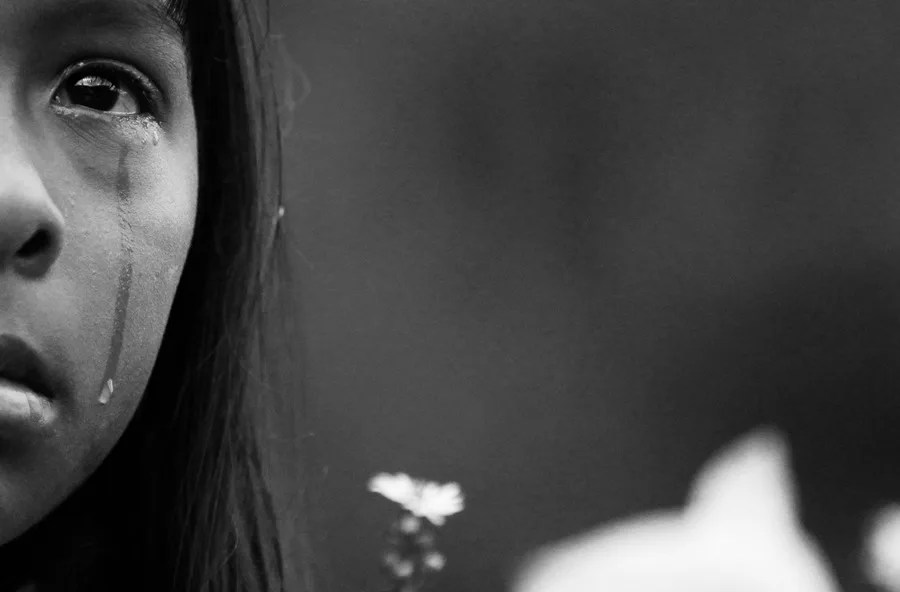
The title comes from Cristina Bautista, a Nasa Indigenous leader murdered in Tacueyó in October 2019. Guzmán recalled her words in an interview with EFE: “If we remain silent, they kill us. If we speak, they kill us. So we speak!”
Her declaration makes the exhibition more than a record of suffering. Speaking means exercising authority, defending a community’s decisions about its territory. Killing the speaker can leave everyone else calculating the cost of their next sentence.
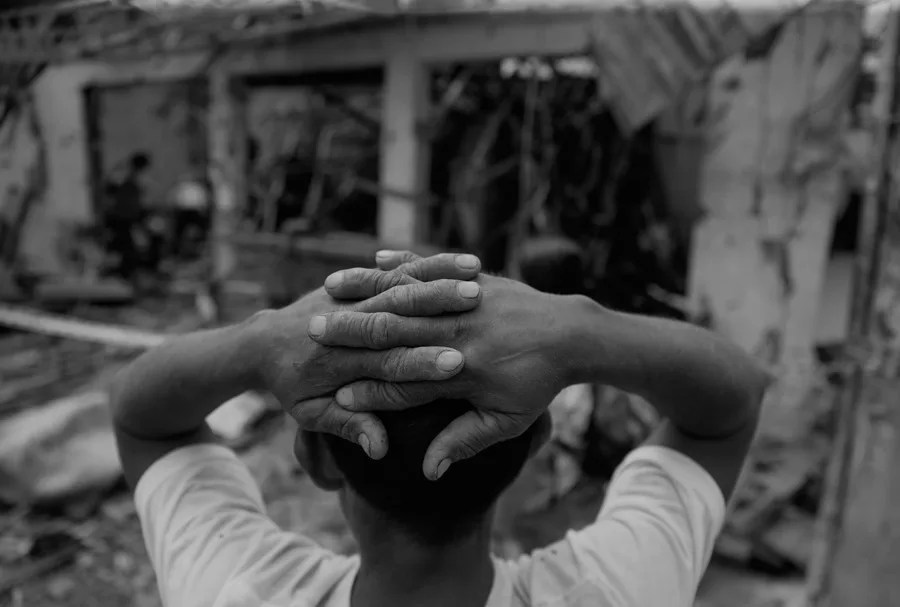
The photographs include the aftermath of the September 2019 killing of Suárez mayoral candidate Karina García and homes destroyed by explosions in Jamundí. A murdered candidate and a demolished house belong to the same political landscape: violence determines who can govern and who can remain.
A War That Changed Hands
Colombia’s conflict grew from overlapping struggles over land, exclusion, and state power. During La Violencia, Liberal and Conservative loyalties became grounds for persecution and killing. The 1948 assassination of Liberal leader Jorge Eliécer Gaitán intensified an already burning confrontation. Rural families paid for political rivalries through dispossession and death.
The parties’ National Front arrangement, beginning in 1958, alternated the presidency and divided public office. It helped contain bipartisan warfare while restricting political competition. Concentrated landownership and unresolved rural grievances endured. The communist FARC and Cuban-inspired National Liberation Army, or ELN, emerged in the 1960s, pursuing revolution through insurgency rather than simply continuing the old party feud.
The armed forces fought those insurgencies, but members also committed atrocities and collaborated with paramilitaries. Right-wing paramilitary organizations, backed by sectors of the landowning elite and financed by traffickers, massacred civilians and seized territory. Guerrillas kidnapped, extorted, and attacked communities. Drug cartels added assassinations, bombings, and corruption, while cocaine revenues expanded armed groups’ capacity to wage war. The conflict preceded the cocaine boom; drug money made territorial control more profitable.
The 2016 agreement demobilized the main FARC organization. It did not disarm the ELN, eliminate paramilitary successor networks, or prevent FARC dissident factions from fighting. Where civilian institutions failed to establish lasting protection, armed competitors could inherit routes, revenues, and coercive power.
Colombia’s Truth Commission identified 450,664 conflict killings between 1985 and 2018. Valle del Cauca accounted for 41,201 and Cauca for 19,473. Together, that is 60,674 deaths, approximately 13.5% of the national total. Guzmán’s photographic territory bears a substantial share of the country’s accumulated loss.
The commission attributed 45% of killings to paramilitaries, 27% to guerrillas and 12% to state agents. Those unequal shares challenge any account that assigns all Colombia’s violence to one camp or distributes responsibility evenly.
Those figures describe decades, not a trend since the peace agreement. Nor can 20 selected photographs establish whether national violence rose or fell. Their evidence is narrower and devastating: particular communities continued burying leaders after a settlement intended to make civilian politics possible.
Who Stays Afterward
Guzmán, 43, entered photography through a household calculation. After he finished school in 2001, his father could not afford university tuition. He could teach his son a trade.
“I grew up watching my father work,” Guzmán told EFE, remembering how film rolls became his toy cars. Photography eventually supported his own family and carried him across Colombia. He now has two children.
On April 11, 2002, when FARC guerrillas abducted 12 Valle del Cauca legislators in Cali, he moved toward the scene as other people fled. His pictures helped El País publish an afternoon extra. The instinct was already there: get close enough that distance cannot become an excuse.
Proximity means recognizing what remains after publication. Guzmán told EFE that families’ grief and the destruction of homes built through years of work cannot be left behind when an assignment ends.
His recollection of Indigenous governor Edwin Dagua’s murder in December 2018 locates the exhibition’s central concern: community authorities becoming targets in contested territories. Their influence rests on relationships, assemblies and recognition. An armed faction seeking obedience encounters another authority already present.
Seen together, these deaths suggest why protecting leaders requires more than reacting to individual threats. Each killing can weaken the community’s ability to resist recruitment, defend land, or challenge imposed rules. The loss extends beyond one household, although that household must bear its most intimate weight.
Nearly ten years after the peace accord, Guzmán wants Colombians to see violence up close, he told EFE. His photographs make that request concrete. A treaty has a signing date. Carrying the dead across a stream belongs to the slower calendar of those still waiting for protection.