Barber Bus Becomes Neonatal Lifeline After Panama Earthquake Shakes Hospitals
Three premature babies found temporary shelter inside a Panama barber bus after a powerful earthquake disrupted hospital care. Their improvised nursery exposes the emergency beyond the rubble: keeping vulnerable patients safe while damaged buildings, blocked roads, and heat complicate recovery.
Three Cribs Beneath the Mirrors
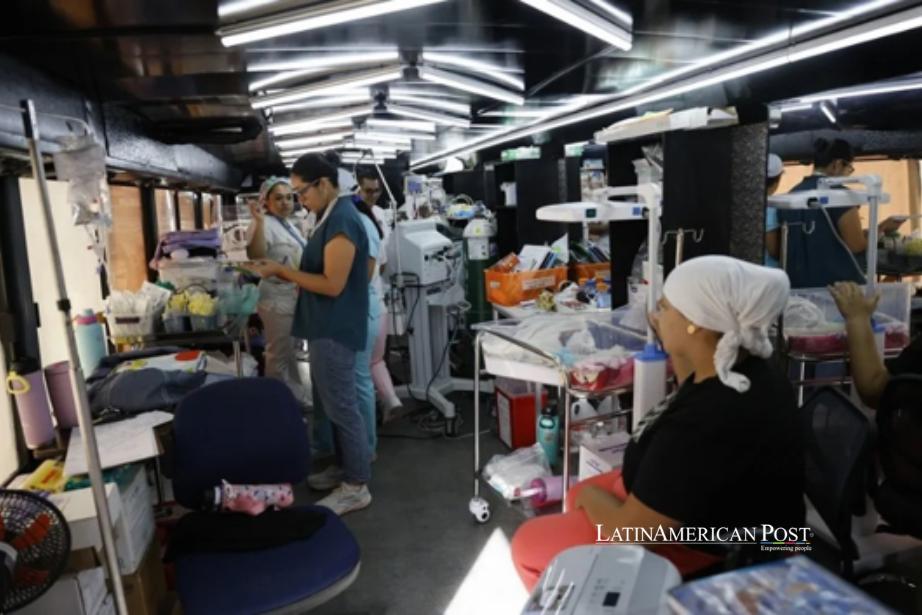
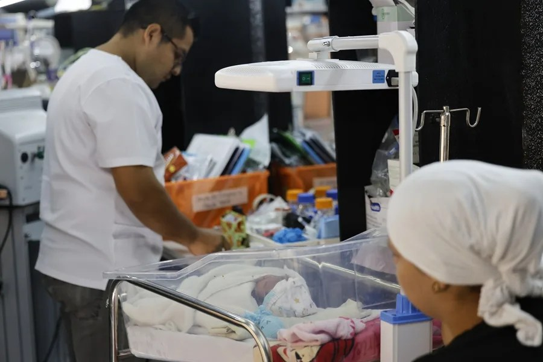
The mirrors were still there. So were the LED light bars, remnants of a working barber shop that suddenly had a different purpose. Inside the matte black Boss Barber bus, medical staff attended three premature babies among small cribs, tubing, bags of fluids and boxes of medicine.
When EFE visited Chitré after the October 9 earthquake, the vehicle stood outside the public Cecilio A. Castillero Hospital. An entrepreneur made it available as temporary shelter for newborns whose care could not wait while the damaged health system recovered.
“We have three. They are premature, meaning they were born before their due date,” Herrera province’s deputy regional health director told EFE. She thanked the owner for helping provide the conditions they needed.
The vehicle already had air conditioning. They brought in two additional units after the babies endured the first hours after the earthquake outdoors in high temperatures.
“Because of the heat, they were turning red,” the official told EFE.
She also described their need for breathing support, including equipment such as CPAP, because their lungs had not fully matured. The emergency involved patients who already needed specialized attention before the hospital’s ordinary arrangements were disrupted.
The bus offered an enclosed, cooled space while doctors continued working. Its previous business remained visible around them, an unusually intimate picture of disaster response: a private livelihood temporarily repurposed around three lives just beginning.
For families, an improvised ward adds another uncertainty to an already difficult beginning: when their newborns can receive care in a permanent clinical setting.
The Damage Behind the Numbers
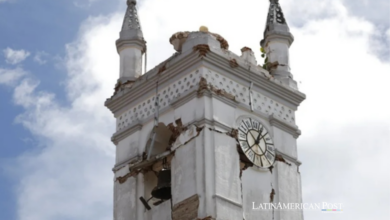
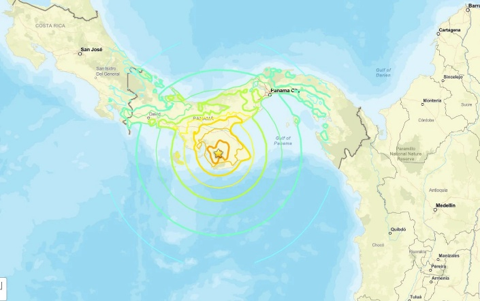
The magnitude 7.7 earthquake left no reported deaths and roughly 30 people with minor injuries, according to the initial account. Authorities called that outcome a miracle. Yet the absence of fatalities provides an incomplete measure of an emergency that displaced medical care into streets, parks and temporary shelters.
EFE’s reporting cited damage to 24 health centers. A separate Health Ministry assessment published October 12 identified 67 facilities requiring intervention among 842 inspected, approximately 8 percent. The ministry described 66 damaged structures as having minor problems, while the rural hospital at Tonosí was unusable.
These assessments describe different snapshots of a developing emergency. The broader figure should not be read as 67 hospitals destroyed. Nor does the proportion establish how much treatment capacity was lost: a building count gives equal weight to facilities with different services, patient loads and roles.
For the three newborns in Chitré, the decisive question was whether appropriate care could continue outside the hospital. National percentages cannot capture that bedside problem. A disruption affecting a relatively small part of the network can still force individual patients into extraordinary circumstances.
The ministry reported treating more than 6,000 patients in the first 72 hours. This was no tally of earthquake injuries. The figure underscores the ongoing demand for medical attention as facilities were assessed and services rearranged.
Across the affected areas, EFE found patients lying in beds beneath government tents and others donated by the United States. Medical personnel worked long hours. Keeping services available required staff, supplies and usable space to come together despite damage around them.
The strongest measure of recovery will therefore extend beyond repaired walls. It will include whether treatment resumes in dependable conditions and whether patients can reach it without additional obstacles.
Relief Must Reach the Roadside
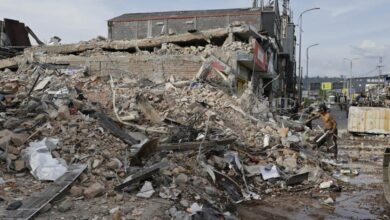
More than 2,000 structures and other infrastructure assets were reported damaged, with destruction concentrated in the Azuero Peninsula. Its small communities depend heavily on agriculture and cattle raising, and many have aging populations. The region’s needs extend well beyond the most arresting photographs.
During its journey through affected communities, EFE encountered roads cracked by earth movements. Residents camped in public parks and ate from communal pots. Homes, churches and local government buildings had been destroyed. Aid was arriving, but some of the most remote villages were still waiting.
Damaged roads make that uneven arrival more than a logistical inconvenience. They can complicate moving patients and delivering supplies. In communities with older residents, maintaining access to routine care runs alongside the response to earthquake-related injuries.
The government declared a national emergency allowing up to $100 million for assistance and recovery. That ceiling sets the financing capacity; it does not set the final cost of reconstruction or show how much assistance has reached each community.
At the time of EFE’s reporting, the overall economic loss remained uncounted. Businesses occupying buildings taller than one story were closed as a precaution, and classes were suspended nationwide. Alongside physical damage, trade was interrupted, and households had to reorganize their days.
Emergency donations help fill immediate gaps. Sustaining care requires an organized transition from improvised spaces back to reliable services, with continued attention to communities far from the main roads.
Inside Boss Barber, the response was on a scale anyone could understand: three cribs, medical equipment,, and professionals continuing their work under barber-shop lights. The owner had supplied a place. The medical team supplied the care. Beyond the bus, rebuilding still had to catch up.