Venezuela Vows to Reform Hate Law After Forcing Opposition Into Silence
Venezuela’s proposed hate law reform follows years of prosecutions and an official admission of abuse. With hundreds still under court restrictions, the central question is whether authorities will dismantle a system of political intimidation or merely soften its language.
An Admission Without Accountability
The Venezuelan government has finally acknowledged what its critics spent years saying: a law presented as an antidote to hatred has been abused. That admission should begin an accounting of damaged lives. Instead, the immediate institutional response is a proposal to adjust the instrument that helped damage them.
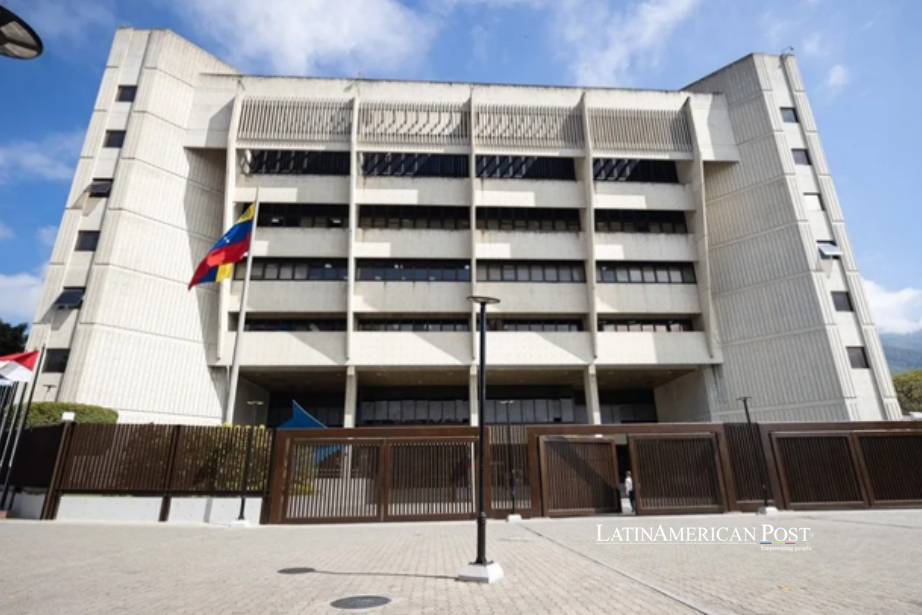
On Thursday, October 15, the Supreme Tribunal of Justice declared a partial reform constitutionally compatible and allowed it to proceed to parliamentary debate. The ruling did not repeal the law. Nor does permission to discuss amendments establish that people prosecuted for peaceful criticism have received justice.
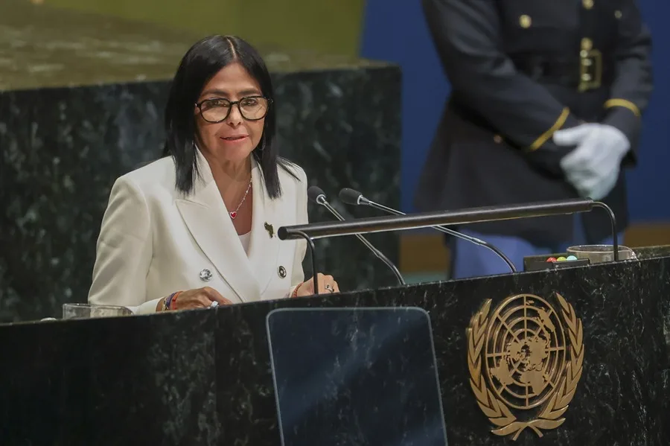
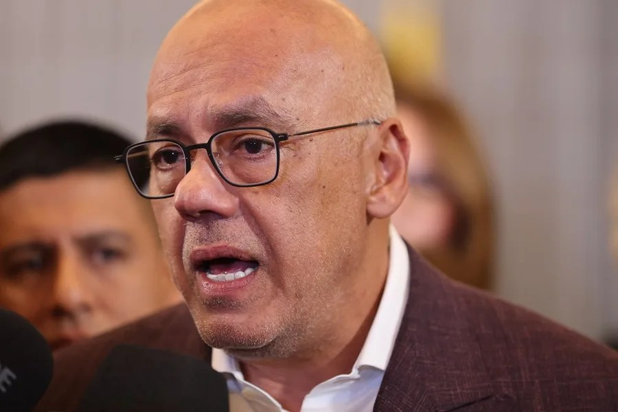
Acting President Delcy Rodríguez requested the changes in September, acknowledging abusive application. Her brother, Jorge Rodríguez, presides over the chavismo-controlled legislature. Their relationship alone does not settle the merits of a reform. It does, however, sharpen the need for scrutiny independent of the political leadership managing this process.
The law’s origins explain why skepticism is warranted. Nicolás Maduro requested it after the anti-government protests of April through August 2017. That November, the government’s Constituent Assembly enacted it while a legislature dominated by the opposition was still operating. A political confrontation was being translated into a criminal framework.
The result gave authorities extraordinary leverage: prison sentences of ten to twenty years for broadly defined promotion or incitement of hatred, discrimination, or violence. Protecting people from genuine threats is legitimate. Giving officials broad discretion to treat political hostility as a prosecutable offense changes the relationship between rulers and citizens.
Political affiliation appears among the law’s protected categories. That makes precise definitions important: protecting someone from violence because of party membership must never become protection from criticism of that party.
When criticism becomes legally dangerous, the government acquires an advantage before an election campaign begins or a protest gathers. Opponents must calculate the personal cost of speaking. Officials can call the resulting quiet coexistence.
Punishment Beyond the Prison Walls
Foro Penal’s figures expose the scale and persistence of that pressure. Its September 30 tally recorded 927 people charged with incitement to hatred since 2017, sometimes alongside other offenses. Six remained imprisoned, while 638 remained subject to court restrictions.
The distinction matters. These are charges, not 927 convictions, and the figure cannot establish the circumstances of every prosecution. But the 638 people still facing restrictions represented 68.8 percent of the recorded total. Nearly seven in ten remained under judicial constraints years into the law’s operation.
That does not mean each had been restricted since 2017. The cases accumulated over time. Counting only those still behind bars would hide most of the continuing legal burden identified in this dataset.
Release and freedom are different experiences when a criminal case still governs your choices. Court restrictions can complicate ordinary decisions about movement and work. Uncertainty carries its own expense: legal assistance, interrupted plans, and the knowledge that another encounter with the justice system may follow.
The political consequence reaches beyond defendants. A colleague who watches someone prosecuted for criticism learns something about the risk of speaking. A family may urge caution. Foro Penal’s figures cannot count such reactions, but they help explain why selective prosecution can discourage participation far beyond the people formally accused.
That is intimidation through example. A government need not prosecute everyone if enough people believe it could prosecute them.
Espacio Público has documented the law’s use against uncomfortable or critical expression. United Nations human rights investigators also warned that its vague wording enabled discretionary prosecution and encouraged self-censorship. The government’s acknowledgment of abuse therefore confirms a problem identified long before this reform was proposed.
The burden should now fall on the authorities to demonstrate what will stop another prosecutor from turning disapproval of those in power into an allegation of hatred.
Reform Must Reach the People
A serious change must address more than imprisonment. The existing law also permits revocation of broadcasting concessions and provides for fines and website blocking when prohibited online material is not removed within six hours. Those provisions give the state leverage over the channels through which opposition voices reach the public.
Removing a prison penalty while retaining broad censorship powers could leave much of that leverage intact. For a newsroom, losing distribution or the ability to broadcast threatens its livelihood. For citizens, the consequence is fewer places where the public can examine official claims.
The proposed reform deserves judgment by its final wording and implementation. Yet the record makes repeal of this law, followed by narrowly defined protections against actual incitement and discrimination, a more credible starting point than promises of better application.
People prosecuted solely for peaceful expression need their cases closed and unjustified restrictions lifted. Abuses require independent investigation and meaningful remedies. Otherwise, the state receives credit for reconsidering its conduct while the people affected continue paying for it.
Venezuela’s opposition should not have to depend on official tolerance to criticize officials. The measure of change is whether an ordinary person can challenge power without calculating the risk of prison. Until that becomes secure, a softer name or a revised paragraph will leave the essential warning in place.