Bolivia and Chile Face 147 Years of History in One Neighborly Question
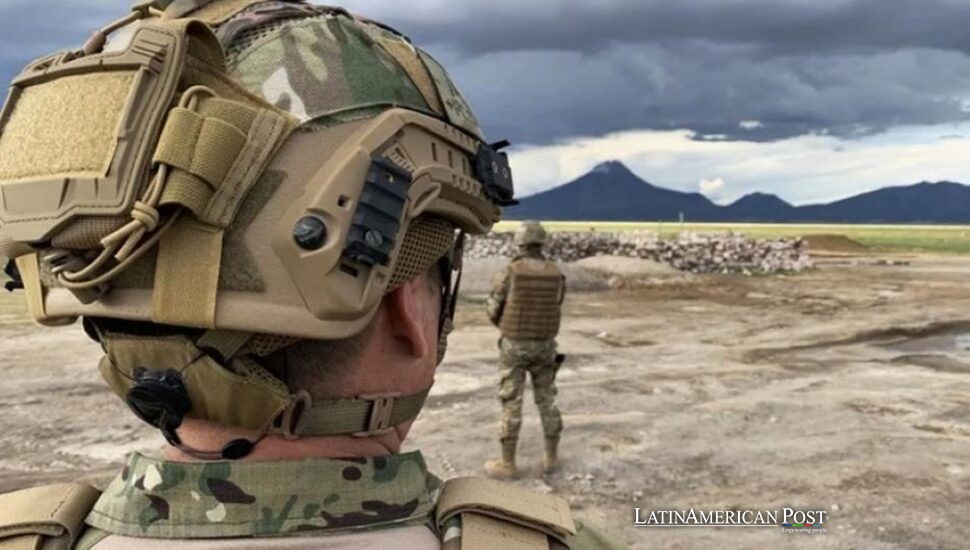
Bolivia’s invitation to Chile to choose a different relationship reaches back to a war, a lost coastline, and decades without ambassadors. Behind the diplomatic language lies a specific question: can cooperation expand without agreement over the history that divides them?
The History Inside a Sentence
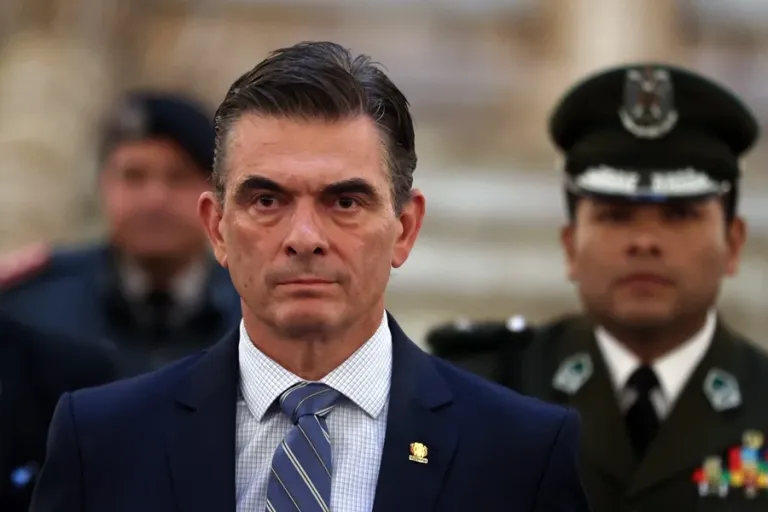
“Bolivia and Chile did not choose to be neighbors, but they can choose what kind of neighbors they want to be.” In a September 18, 2026, column reported by EFE, Bolivian Foreign Minister Héctor Huanca placed that sentence inside a greeting for Chile’s national celebrations.
Its significance lies less in the warmth than in the distinction. Huanca separates two questions that the countries’ history has repeatedly entangled: whether Bolivia can obtain sovereign access to the Pacific, and whether cooperation must wait until that dispute is resolved.
Chile’s victory in the War of the Pacific, which began in 1879 and also involved Peru, deprived Bolivia of its coastline. The conflict developed around disputed territory and the Atacama’s mineral wealth. Its consequences extended beyond borders. They determined which state controlled the ports serving that territory.
The 1904 peace treaty fixed the boundary and guaranteed Bolivia commercial transit through Chilean territory and Pacific ports. That distinction still matters: a right to move cargo is not sovereignty over the coast. Better port access and a territorial settlement are different things, legally and politically.
Nor is rapprochement new. Hugo Banzer and Augusto Pinochet restored diplomatic relations after meeting in 1975. Maritime negotiations followed, then stalled. Bolivia broke relations again in March 1978. EFE’s reporting at the time recorded the collapse of an opening that had begun with presidential contact.
Forty-eight years later, the two countries operate without ambassadors, although consulates remain. Huanca’s statement addresses that inheritance without announcing its resolution. He explicitly retains Bolivia’s maritime claim while arguing that disagreement need not determine every other aspect of the relationship.
The Border Already Does Business
The economic record prevents any simple account of two countries frozen in mutual isolation. Their Economic Complementarity Agreement No. 22 dates to April 1993. The trade framework Huanca proposes modernizing is already 33 years old, evidence that cooperation has continued beneath the diplomatic rupture.
Chile’s trade authority recorded $1.18 billion in bilateral goods trade in 2025, down about 28 percent from 2023. On a comparable basis excluding international freight and insurance, Chile sold Bolivia approximately $1.03 billion while buying $131.6 million. That is nearly eight dollars of shipments in one direction for every dollar in the other.
Those figures establish neither unfairness nor the cause of the decline. They do show why announcing larger trade totals would not answer every economic question. Bolivian access to Chilean customers, and Bolivian access through Chile to overseas customers, are separate opportunities—the first concerns markets; the second concerns transport.
This is where Huanca’s agenda reaches beyond ceremonial language. According to EFE, it includes more efficient port logistics and stronger road and railway connections. A shipment can have permission to cross a country while still facing delays or costly handling. Treaty rights and daily operations are not interchangeable.
For an exporter, the practical questions are narrower than the historical dispute: how long does clearance take, what does handling cost, and can a delivery date be trusted? Those are measurable outcomes. An agreement that changes them would affect commerce without transferring a single stretch of coastline.
The agenda also includes energy integration and cooperation over water, alongside police information sharing against transnational crime. These are not territorial concessions. They concern systems that cross borders regardless of whether ambassadors occupy the residences on either side.
For people whose livelihoods depend on that frontier, national history and the next paycheck often occupy the same conversation.
A Visit Is Not a Settlement
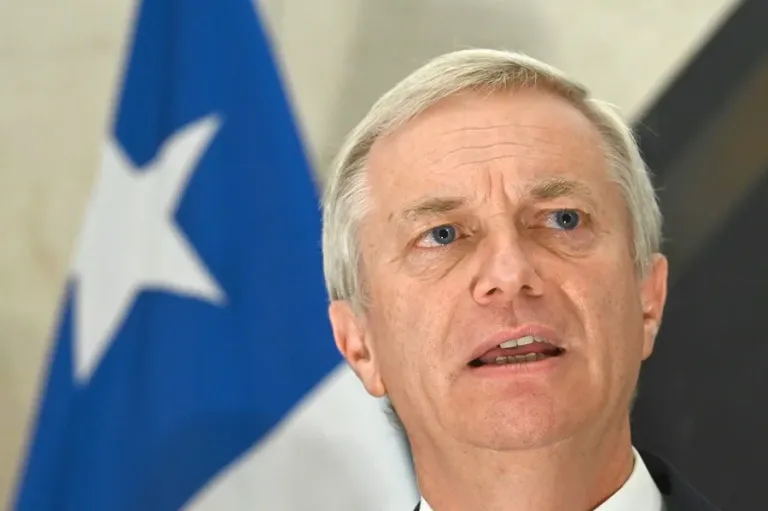
A possible October visit by Chilean President José Antonio Kast supplies the immediate political setting. Chile’s consul general, Roberto Ruiz, confirmed that possibility in La Paz, EFE reported. A possibility is not a scheduled visit, and a presidential appearance would not automatically restore diplomatic relations.
The legal background imposes another distinction. In October 2018, the International Court of Justice ruled, by 12 votes to three, that Chile had no legal obligation to negotiate Bolivia’s sovereign access to the Pacific. The court also made clear that its ruling did not prevent continued dialogue about Bolivia’s landlocked situation.
Huanca is therefore speaking in a space that neither the treaty nor the judgment eliminates: voluntary cooperation without an agreed answer to the maritime claim. Calling that surrender would go beyond his stated position. Calling it a territorial breakthrough would go beyond anything announced.
“We do not aspire to a relationship built on forgetting,” he wrote in the column reported by EFE. That sentence accompanies, rather than contradicts, his invitation to choose a different kind of neighborliness. He proposes preserving historical disagreement while expanding the business around it.
The historical stakes lie in that separation. The 1975 opening joined restored relations to expectations over the sea; its breakdown demonstrated how closely those questions could become tied. This time, Huanca is describing cooperation that need not await their resolution.
Nothing in that formulation returns a coastline. Nothing yet guarantees a different experience at the border. What it does is identify the question facing both governments: how much of the next working day must remain contingent on settling a nineteenth-century dispute?
Also Read: Malvinas Bill Raises Penalties, but Who Will Actually Help Argentina Enforce Them?