Colombia Turns Classroom Sex Education Into Its New Culture War
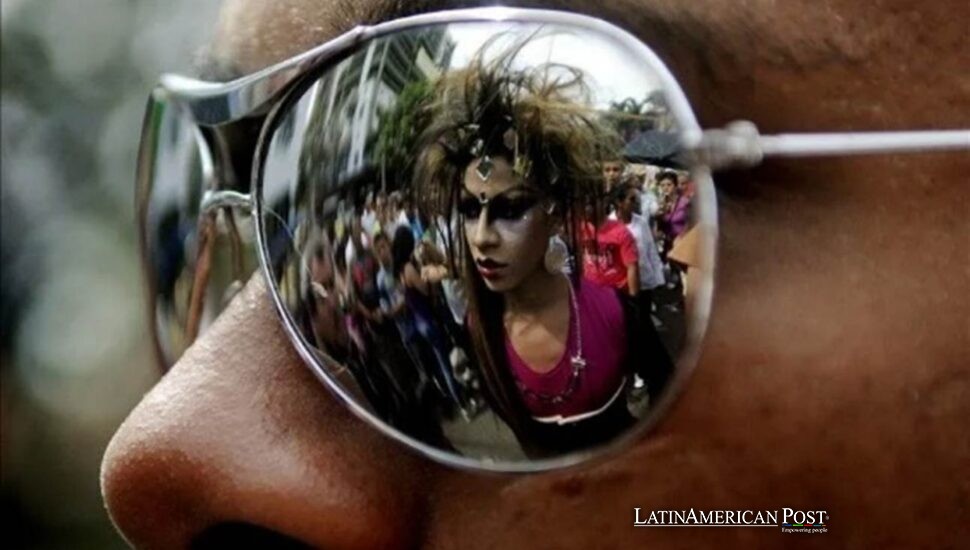
Colombia’s education minister says a “woke” campaign has infiltrated sex education, placing parents, teachers, churches, and children inside a widening political battle over who defines age-appropriate learning and whether curriculum review becomes transparency, censorship, or an uneasy mixture of both.
The Classroom Becomes a Political Border
In Colombia’s latest political argument, the classroom has become a border post. Parents fear schools are quietly displacing values taught at home. Educators and rights advocates warn that children become vulnerable when consent, abuse, sexuality, and discrimination are too politically dangerous to discuss.
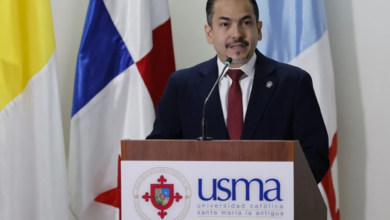
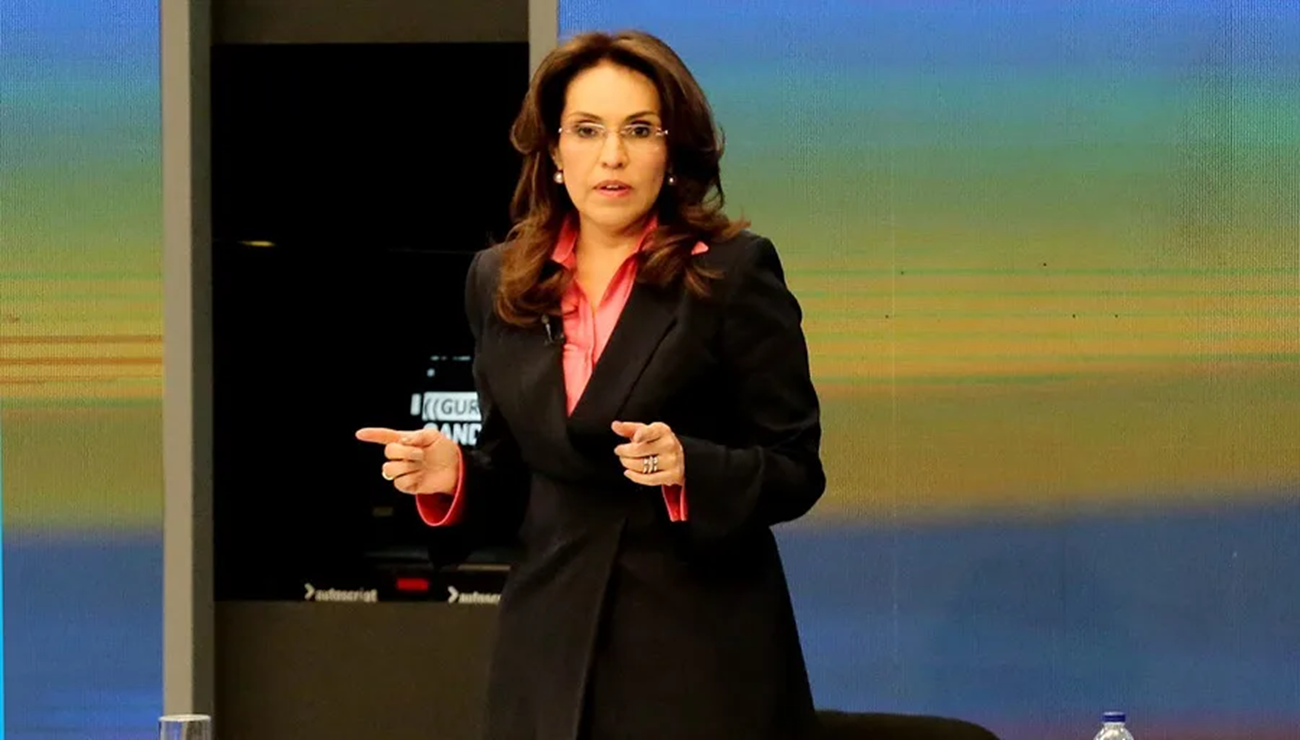
Education Minister Viviane Morales pushed that conflict into the open this week by declaring that a “woke” campaign had made “subtle movements” to take control of teaching, especially comprehensive sex education. Speaking to reporters, Morales said President Abelardo de la Espriella’s government must restore principles and values, remove ideological influence, and respect parents’ rights in education.
“Many times parents do not know what their children are being taught,” Morales said in remarks reported by EFE. The ministry, she added, is reviewing educational materials so families can supervise what enters the classroom and ensure lessons match a child’s stage of development.
The argument has force. Parents should see curricula, question poorly designed lessons, and know whether material suits a seven-year-old, a twelve-year-old, or a teenager. Public education cannot demand blind trust. Transparency is not censorship, and age appropriateness is not reactionary.
Yet the government’s vocabulary changes the review. Calling the problem “woke” does not identify a textbook, guideline, lesson, or practice. It compresses separate issues into one charged package. Teaching body autonomy, consent, contraception, abuse prevention, LGBTQ+ bullying, and gender concepts are not identical acts.
Treating them as one ideology may be electorally effective, but it is analytically weak. It also risks turning a legitimate debate about content into a campaign against a word.
How Woke Traveled South
“Woke” began in African American English as a call to remain alert to racial injustice. It later came to describe broader awareness of discrimination, especially during the rise of Black Lives Matter. Since around 2020, conservatives have repurposed it as a pejorative for progressive activism, diversity programs, cancel culture, academic theories, and cultural representation.
That shift gave the term unusual power. It no longer needs a stable definition. A corporate initiative, television character, university policy, museum exhibition, or school lesson can all be called woke. The label presents different anxieties as evidence of one institutional takeover.
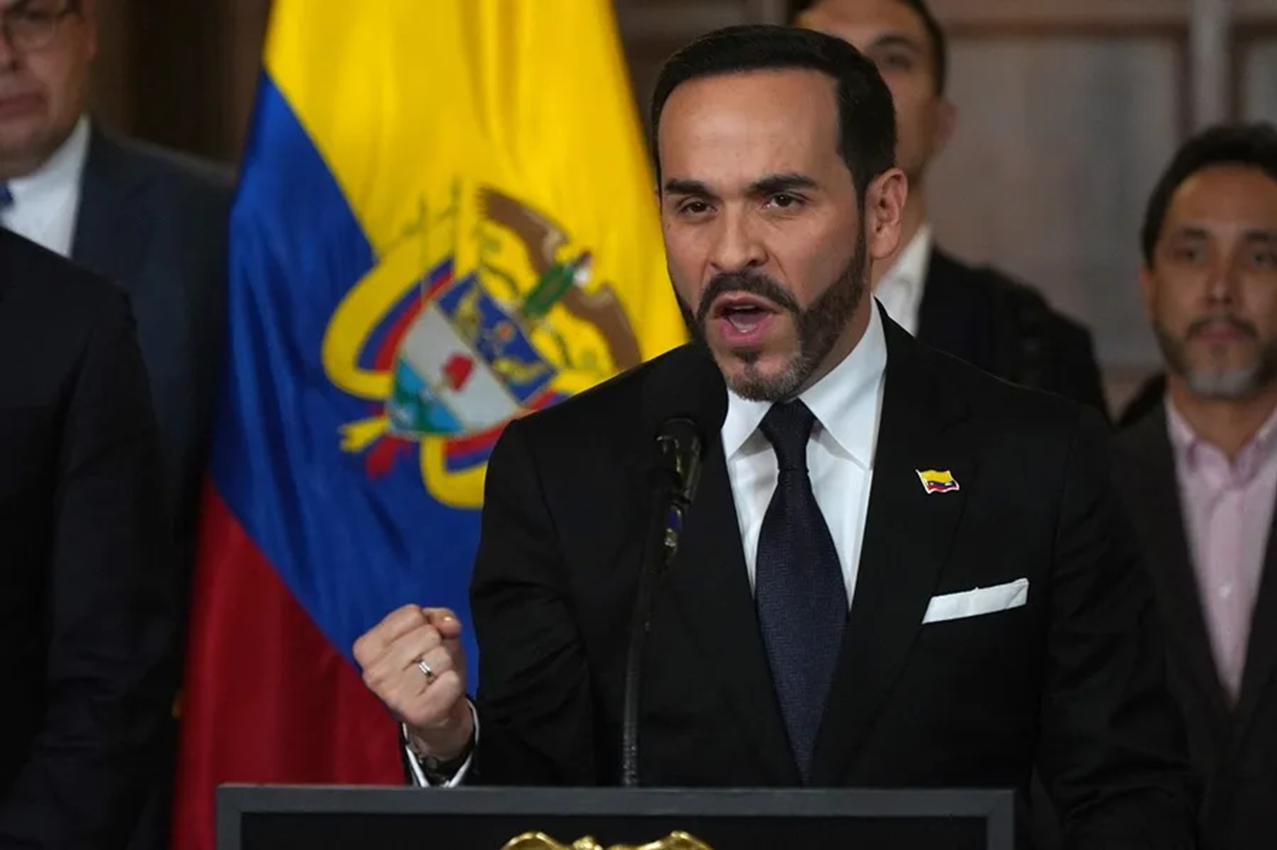
De la Espriella imported that strategy explicitly. During the presidential campaign, he told EFE that he admired U.S. President Donald Trump’s cultural battle against “wokism” and promised to confront what he calls gender ideology if elected. Morales, a former attorney general who took office on August 7, is now translating that campaign language into educational policy.
But Colombia is not the United States, and its educational struggle has older roots. The Catholic Church influenced schooling and family life for generations. The 1991 Constitution widened the pluralistic promise, while evangelical churches became an electoral force. Arguments over abortion, same-sex marriage, gender identity, and sex education now meet inside those histories.
Much of the new government’s support comes from Catholic and evangelical voters who see De la Espriella as a defender of family, an opponent of abortion, and an adversary of gender ideology. For many, parental authority is not merely a slogan imported from abroad. It belongs to a moral understanding of family they believe public institutions have dismissed.
Anti-woke language gives that coalition a modern enemy. It turns scattered disputes into a story in which elites capture institutions, experts hide radical ideas inside technical language, and parents discover the change only after it reaches their children. It combines cultural loss with political exclusion.
It can also make compromise look like surrender.
The Children Behind the Slogan
At a kitchen table, the dispute is less theatrical. A parent may want protection from explicit material while also wanting a child to recognize predatory behavior. A teacher may fear violating family convictions while knowing some students cannot safely ask questions at home. A teenager may need plain information about consent, pregnancy, coercion, or disease.
These realities expose the weakness of treating parental rights and comprehensive sex education as natural opposites. Parents are central to children’s formation, but not every home has the same knowledge, stability, or willingness to address sexuality. Schools cannot replace families. They also cannot assume silence protects every child.
The decisive question is not whether education contains values. It always does. Selecting what to teach, what to omit, when to introduce a subject, and whose experience counts are value-laden decisions. The real test is whether those choices are transparent, evidence-based, developmentally appropriate, and open to democratic scrutiny.
Morales says the government wants to prevent indoctrination and remove material inconsistent with children’s development. To make that promise credible, the ministry needs more than culture-war language. It should identify the materials under review, publish the standards being applied, consult teachers and child-protection specialists, and distinguish health information from partisan advocacy.
Otherwise, “woke” becomes a shortcut around proof. Once an educational idea enters that category, officials may feel little obligation to evaluate its purpose or effects. The label condemns before the review begins.
Colombia’s debate is ultimately about authority. Who has the final word over a child’s moral and civic formation: the family, the school, medical expertise, religious tradition, or the elected state? In practice, all participate, and none can fully erase the others. Democratic education policy must manage that tension rather than pretend one side can permanently conquer the classroom.
The government may gain politically by promising to drive ideology out of schools. Yet no ideologically empty curriculum is waiting to be restored. There are choices, safeguards, omissions, and consequences. Colombia must protect parental participation without turning education into a loyalty test, and protect young people without dismissing their families’ convictions.
That balance is harder than a slogan. It is also the work that matters in Colombia today.
Also Read: Argentina Makes AI Surveillance the Newest Battlefield for Personal Privacy