Cuba Sells Cigar Prestige While Shortages Empty Shelves and Workers Endure
Cuba’s cigar industry still projects luxury abroad. Still, Al Jazeera’s reporting shows a harsher truth at home, where fuel shortages, blackouts, weak harvests, and migration are shrinking production, emptying shops, and leaving workers trapped between prestige and daily scarcity now.
Luxury Behind Empty Glass
Just steps from the noise and traffic of Old Havana, a cigar shop stands in a kind of elegant silence. Esteban García, a pseudonym used out of fear of retaliation, looks through a heavy glass door at mahogany shelves that have gone mostly bare. He tells Al Jazeera the shop has not received a shipment in a month. Before the pandemic, premium Habanos arrived three times a month. Later, that became once a month. Now even that rhythm is breaking down. The emptiness is striking not only because Cuban cigars carry so much international mystique, but because the gap between the product’s image and the people’s reality has rarely looked so wide.
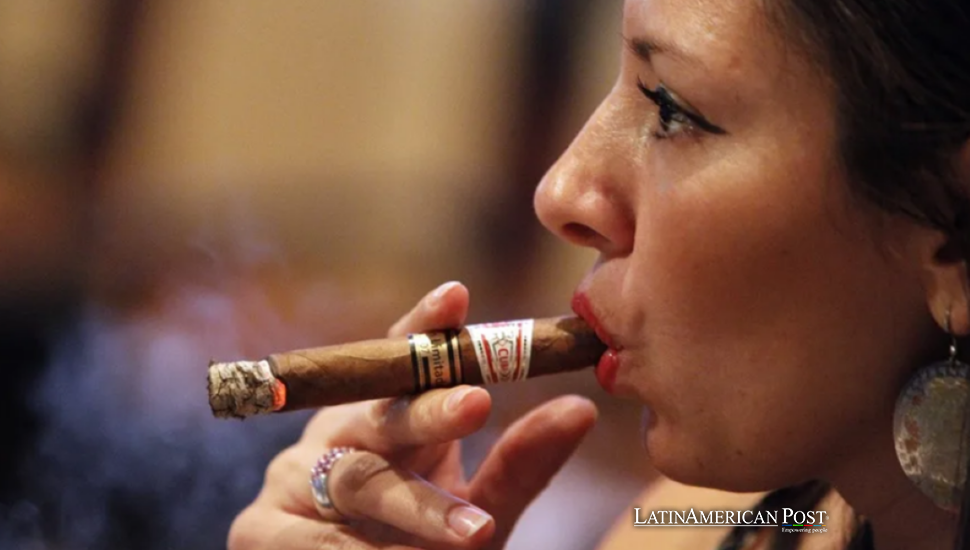
This is the central contradiction Al Jazeera captures in the story. Cuba’s top export remains tobacco. In 2024, the government reported nearly $827 million in revenue from its sale, a record figure. Around the world, Habanos still function as symbols of prestige, exclusivity, and cultivated taste. Sheldon Lloyd Smith, president of the Cigar Association of Canada, says that for many people, the cigar itself is almost synonymous with Cuba. That reputation remains powerful, and it is part of what has allowed the industry to keep selling scarcity as status.
But inside Cuba, scarcity is not a branding strategy. It is daily life.
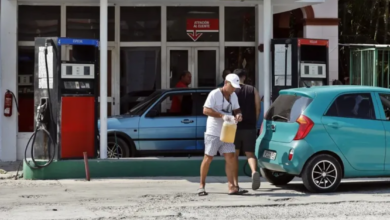
The crisis now pressing on the cigar sector is not one problem. It is several-layered ones on top of each other. The industry has already been hit by poor harvests and hurricanes. Then came the latest pressure, a de facto oil blockade as the United States moved to choke fuel supplies to the island. Al Jazeera reports that Cuba ordinarily imports nearly 60 percent of its crude. Since the start of the year, little oil has entered the country. Only one Russian tanker has been allowed through in recent months, and analysts estimated that its shipment would power the country for about a week.
That kind of fragility does not remain confined to the energy sector. It leaks into everything. Daily power outages have become routine, with three total grid collapses this year. In Pinar del Rio, the main tobacco-growing province, the government says around half of the tobacco fields depend on electrified irrigation. If the power fails, the crop suffers. If petrol is scarce, transport slows. If factories go dark, rolling slows too. The cigar, a product long sold as the essence of control and craftsmanship, suddenly looks vulnerable to every crack in the island’s wider economy.

A Prestige Economy Running on Fumes
Cuban cigars have always lived at the intersection of politics and desire. Their prestige was shaped not only by quality and tradition, but also by prohibition. Because they are illegal in the United States under the longstanding embargo, they became objects of distance and scarcity, desired partly because they were blocked. The notes make clear that this aura was later strengthened by the state’s control of iconic brands and the rise of Cohiba, a premium label closely associated with Fidel Castro.
That history helps explain why the industry still earns money even as production weakens. The cigar’s legend still travels. But legends cannot irrigate fields, fuel trucks, or keep factory lights on.
Al Jazeera’s reporting shows the material side of the crisis in blunt terms. Hurricane Ian damaged as many as 90 percent of the tobacco curing barns in Pinar del Rio. That season saw the lowest area planted since records began. Growth has remained sluggish since. Just last month, the government said it had failed to meet its target for the 2025 to 2026 growing season, a goal that had already been revised downward because of heavy rains. In 2024, Cuba exported 50 million cigars, only a little more than half the 93.9 million shipped abroad in 2018, according to Tabacuba. Industry insiders quoted by Al Jazeera say exports have slowed further in recent months.
What has risen instead is the price.
Brooks Whittington of Halfwheel tells Al Jazeera that state companies such as Habanos SA have sought to shield themselves from uncertainty by raising prices. In Spain, a Cohiba Siglo VI now sells for 105 euros, up from 37.80 euros in January 2022. That enormous increase is not a sign of abundance. It is a compensation mechanism. When production falls, revenue can still be protected by raising prices.
There is a cold logic to that strategy. If the island cannot sell former volumes, it can try to squeeze more value from what remains. But it also reveals the moral shape of the current model. The industry is defending its export prestige by leaning harder on scarcity, while workers inside Cuba are living through transport paralysis, utility breakdowns, and stagnant wages. It is a survival tactic, yes. It is also a portrait of an economy where symbolic value keeps rising while daily hardship keeps falling.

The Hands That Roll and the Lives They Cannot Afford
That downward pressure lands most brutally on workers like Elena Herrera, a pseudonym used to protect her job. She is 56 years old and has rolled cigars for 16 years. She tells Al Jazeera that her wages have not increased since the pandemic. She earns 6,000 Cuban pesos a month, roughly $12 on Havana’s informal currency market. A Cohiba Siglo VI sold in Havana costs $116, nearly 10 times her monthly wage.
That number says nearly everything.
The product she helps create belongs to a world of luxury she herself cannot enter. She walks home four kilometers because the fuel shortage has largely brought public transportation to a halt. She says the situation is grave. No electricity, no gas, no water, no food. In that sentence, the whole romance of the Cuban cigar collapses into the blunt inventory of a household under siege.
There is another wound here, too, quieter but just as damaging. The labor force is thinning. Al Jazeera reports that Cuba has experienced one of its sharpest population declines in modern history since the pandemic, with as much as a quarter of the population leaving the island. Whittington links that mass exodus to labor shortages in the tobacco industry. Lloyd Smith says some factories are operating with only a fifth of their workforce. Herrera is not surprised. The young, she says, have no hope and no options.
That observation may be the hardest one in the story. An industry can survive bad weather. It can sometimes survive fuel shortages. It can even survive by selling less at higher prices for a while. What struggles to survive is the collapse of belief among the people who are supposed to inherit it. If younger Cubans do not see a future in staying, then the hands that built the island’s most famous export become increasingly old, tired, and irreplaceable.
So the question hanging over this industry is not simply whether Cuba can keep producing cigars. It is whether it can keep producing them in a way that still means something beyond revenue. Right now, the cigar remains valuable because it is rare, storied, and desired. But Al Jazeera’s reporting suggests that behind that value lies a harsher truth. Cuba is selling prestige abroad while asking its workers to absorb the blackout, the walk home, the stagnant pay, and the silence of a shop waiting for a shipment that may not come. Herrera, looking back even to the special period of the 1990s, says this is worse. When a worker in Cuba’s signature industry says that, the smoke around the legend begins to clear.
Also Read: Panama Banana Jobs Return, but Bocas del Toro Still Trembles