Trinidad and Tobago Buries Valuable Waste While Workers Dig Out a Living
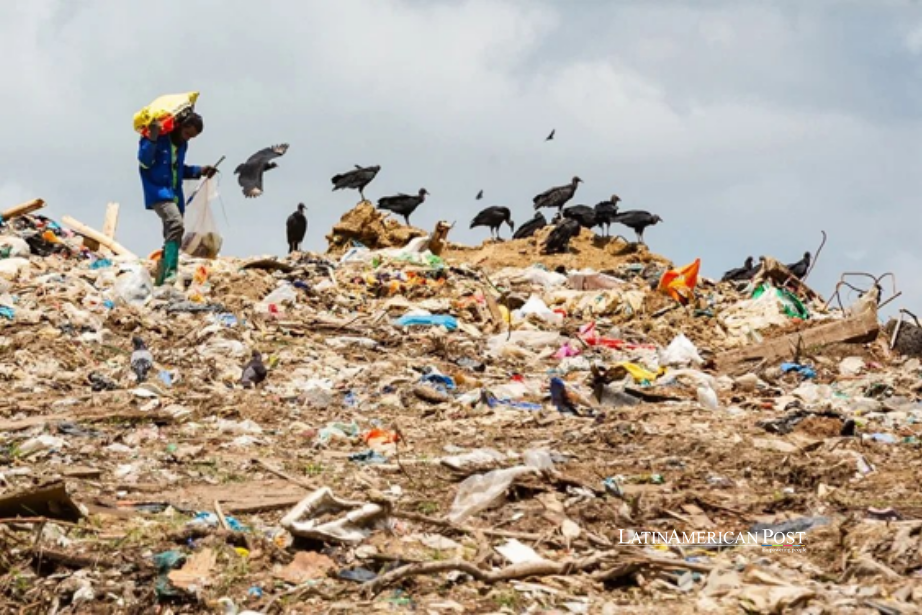
At Trinidad and Tobago’s Forres Park landfill, discarded goods feed families and sustain an informal economy. But crowded dumps, weak recycling and unusually high waste generation expose an uncomfortable bargain: environmental failures have become a livelihood for some struggling residents.
A Payday Beneath the Plastic
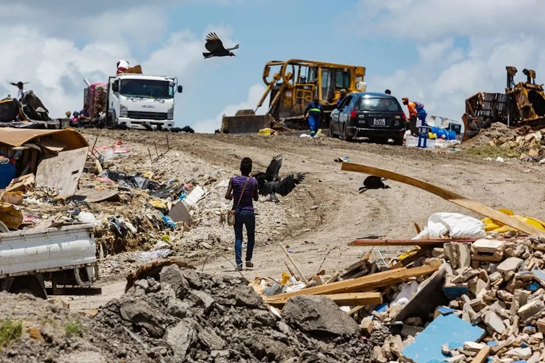
On Saturdays, dozens of women arrive at Forres Park to search through discarded clothing and food. In EFE’s reporting from Claxton Bay, in southern Trinidad, the landfill is more than the destination for unwanted things. It is somewhere people go when their own cupboards offer too little.
Sharlene Alexis, who sells food and drinks nearby, told EFE that the dump helps people without food, clothing or jobs, including parents whose children go hungry. Her explanation brings the national waste problem down to household scale. What one family throws away may help another get through the week.
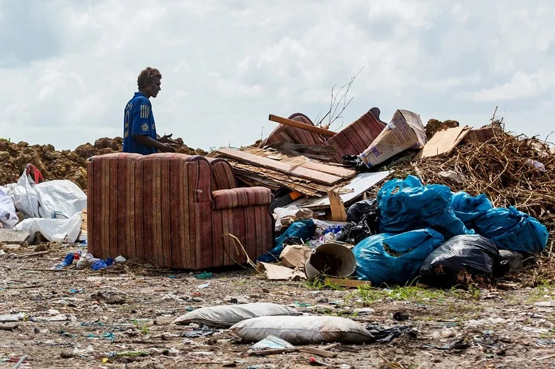
“Other people’s garbage becomes our treasure,” Gregory Robert told EFE. He estimates that more than 250 people depend on Forres Park for their livelihoods. Some stay overnight beneath tarps or in makeshift huts, guarding containers of materials they have already sorted.
Those containers hold labor as well as scrap. Recovering something salable requires searching, separating, and keeping it safe until it can change hands. The overnight watch reveals how little distance there is between a workplace and a shelter when losing inventory means losing earnings.
Robert also described an independence that conventional employment does not always offer. People can work at their own pace, he told EFE, and some have criminal records that prevent them from finding jobs elsewhere.
The landfill therefore performs a function far outside waste disposal. It offers entry into economic life to people shut out of other workplaces. That does not make its conditions acceptable. It makes shutting people out again a consequential policy choice.
The Arithmetic of Throwing Away
A 2023 government study estimated annual waste generation at more than 733,000 metric tons, with approximately 77 percent potentially recyclable. Applied to that baseline, the share represents roughly 564,000 tons of material.
Potentially is the important word. That figure is not a recycling rate, nor a valuation of recoverable merchandise. Contaminated material may be difficult to process, and technical recyclability means little without collection systems and buyers. A mountain of possible resources is not automatically a profitable business.
Still, the imbalance is striking. Informal workers painstakingly separate salable items after disposal, while most households do not separate their waste beforehand. Recovering materials downstream becomes harder when everything arrives mixed together, including organic waste.
The World Bank estimates cited in the reporting put municipal waste generation at 1.45 kilograms per person daily, compared with a regional average of about 1.05 kilograms. That is approximately 38 percent higher, a difference of 146 kilograms per person over a year.
The annual study total and the daily comparison should not be treated as identical measurements without matching their methods and reference periods. Together, however, they describe substantial disposal pressure and considerable room to reduce it.
Imported food packaging contributes to that pressure. For an island economy, the package remains after the imported product has been consumed. Buying it takes one transaction; collecting and processing what remains requires an organized system.
Recycling bins installed since the 2021 waste regulations have not produced comprehensive household separation. Containers alone cannot connect kitchens to reliable collection and viable processing. Without that chain, recycling remains an occasional option rather than a dependable public service.
Cleanups Cannot Discard the Workers.
The country’s three principal landfills are approaching capacity or have reached it. Beetham fires send smoke toward parts of Port of Spain, while contaminated liquids can threaten surrounding soil and water. Along San Fernando’s Lady Hailes Avenue, waste is burned or dumped over a cliff overlooking the Gulf of Paria.
Prime Minister Kamla Persad-Bissessar has blamed irresponsible citizens and the previous administration, describing a “lawless dump” in remarks reported by EFE. Illegal dumping deserves enforcement. But blaming attitudes cannot explain away the absence of comprehensive recycling or modern engineered landfills.
State waste company SWMCOL has completed studies for a suitable landfill and is working with the Environmental Management Authority on an environmental and social assessment. The social part is not incidental.
The reported dependence of more than 250 people also raises a question the national tonnage cannot answer: how many households would lose income if access disappeared? A landfill replacement plan needs that number as urgently as its engineering calculations.
A modern facility that excludes informal workers without replacing their earnings could improve waste containment while deepening nearby poverty. Conversely, preserving dangerous disposal conditions because people depend on them would turn deprivation into an argument against investment.
The practical question is whether modernization can move recovery work into safer conditions while giving existing workers a recognized place. Consultation must include people whose livelihood depends on access, not merely the institutions responsible for closing or replacing disposal sites.
Knaguse Simon, 29, grew up around the landfill. “This place saves many people from crime and misery,” he told EFE. His assessment is not evidence that a dump provides an adequate social safety net. It explains why people might fear losing one.
Trinidad and Tobago needs less waste reaching its dumps. It also needs fewer people forced to depend on what arrives there. A successful cleanup would leave neither discarded materials nor discarded workers behind.