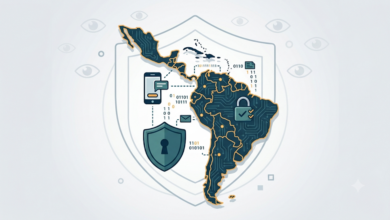
Smart Wellness Devices and the Growing Importance of Digital Privacy
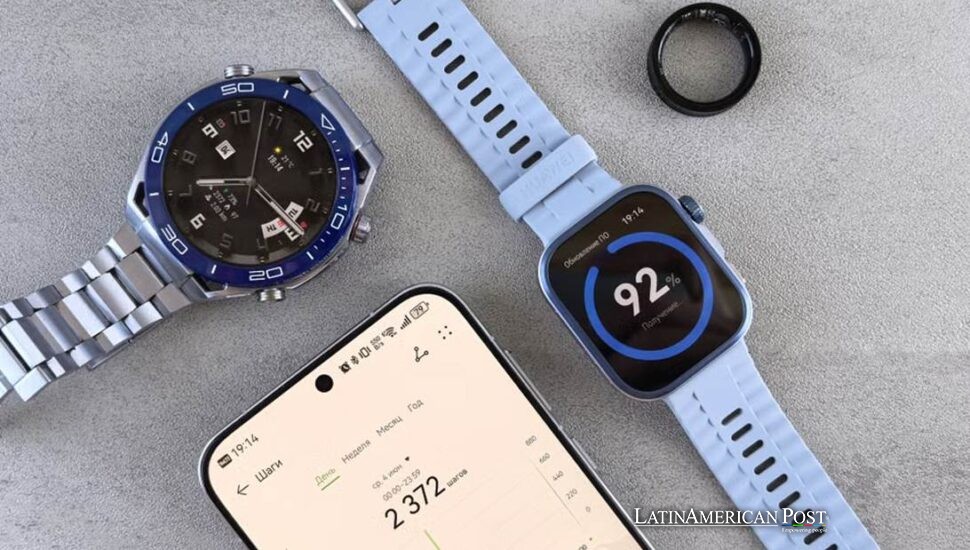
The wellness shelf has quietly become one of the most data-hungry corners of consumer tech. Smart rings track your sleep and heart rate, connected scales log your body composition, recovery gadgets record your workouts, and red light therapy mats increasingly ship with companion apps that want an account before they’ll let you press start. Most of these devices are genuinely useful. The part the marketing skips is that a gadget measuring your body is, by definition, collecting some of the most personal information you have.
That’s not a reason to unplug and go back to analog. It’s a reason to treat privacy as one more thing you check before buying, right alongside price, features, and reviews. Done that way, protecting your data is simple and mostly free. Ignored, it can mean your heart rate patterns, weight trends, and sleep data end up somewhere you never agreed to.
Why health data deserves special caution
Not all personal data carries the same weight. A weather app knowing your city is minor. A wellness device knowing your resting heart rate, sleep stages, recovery metrics, or weight over time is a different category, because that information can reveal health conditions, stress levels, pregnancy, and daily habits you may never have chosen to share.
The risk isn’t only dramatic breaches, though those happen. It’s the ordinary, legal, invisible flows of data that most buyers never see. Health metrics sync to a company’s cloud and sit there indefinitely. Data gets shared with analytics or advertising partners under a privacy policy almost no one reads. Companion apps request phone permissions far beyond what the device needs. And when a company is acquired or shuts down, your data can become just another asset that changes hands. None of this requires a hacker. It’s built into how many cheap connected devices and free apps make their money.
This matters as wellness tech spreads rapidly across Latin America and other emerging markets, where new buyers are adopting connected health gadgets faster than the habit of scrutinizing what those gadgets do with data has caught up.
Vetting a device before you buy
The best moment to protect your privacy is before the product is in your home and the first sync has already happened. A short pre-purchase check handles most of the risk, whether you’re eyeing a smart scale, a sleep tracker, or a recovery mat. Run through these before you pay:
- Read who gets the data. Skim the privacy policy for whether data is sold or shared with third parties. Vague, sweeping language is itself a warning sign.
- Check where the data lives. Prefer devices that store data locally or let you use core features without a mandatory cloud account.
- Look at the app’s permissions. A therapy mat’s app has no legitimate reason to want your contacts or location. Excess permission requests signal a data-hungry design.
- Favor established brands with a security track record. A cheap unknown gadget with no named manufacturer and no privacy policy is the highest-risk option on the shelf.
- Confirm you can delete your data. A trustworthy company gives you a clear way to export and erase what it holds.
This is also where an independent, tested recommendation earns its keep. Rather than trusting a product’s own marketing, it helps to start from a source that has actually evaluated the hardware. For example, if you’re shopping in the recovery category, the Cybernews health tech team’s guide to recommended red light therapy mats walks through real specs like irradiance, wavelength accuracy, and build quality, so you’re choosing on evidence rather than on a brand’s claims. The same instinct that makes you check a device’s performance should make you check its data practices.
Protecting yourself after the purchase
Buying carefully is half the job. The other half is how you set the device up, and a few minutes here prevents most of the quiet oversharing. When you first pair a new gadget, go into the app settings before anything else and turn off data sharing, ad personalization, and any “help us improve” telemetry you didn’t ask for. Give the app only the permissions it truly needs, and deny location or contacts access if the core function doesn’t require them.
Use a strong, unique password and turn on multi-factor authentication for the account, since a wellness account is a health record in everything but name. On your home network, keep the device’s firmware updated, because connected gadgets are a common weak point that manufacturers patch over time. And if a device demands far more access than its purpose justifies, treat that as a reason to reconsider the purchase rather than a box to click through.
In its broader security research, the Cybernews team has repeatedly found that connected consumer devices often ship with privacy-eroding defaults switched on, which puts the burden on the buyer to switch them off. That’s not fair, but it’s the current reality, and knowing it is most of the protection.
Wellness and privacy can coexist
None of this means the smart wellness category isn’t worth it. These devices can genuinely help with recovery, sleep, and skin health, and the convenience of tracking progress over time is real. The point is that you don’t have to choose between using them and protecting your data. You can have both, as long as privacy gets a seat at the table when you decide what to buy.
Treat a wellness gadget the way you’d treat any device that knows something intimate about you. Check who gets the data before you buy, choose devices reviewed on their merits, lock down the settings on day one, and walk away from anything that wants more than it needs. Do that, and the growing importance of digital privacy becomes less a warning and more a habit, one that lets you enjoy the tech without quietly paying for it with your most personal information.