Julieta Venegas to Champion Women’s Rights with Historic Concert in Mexico
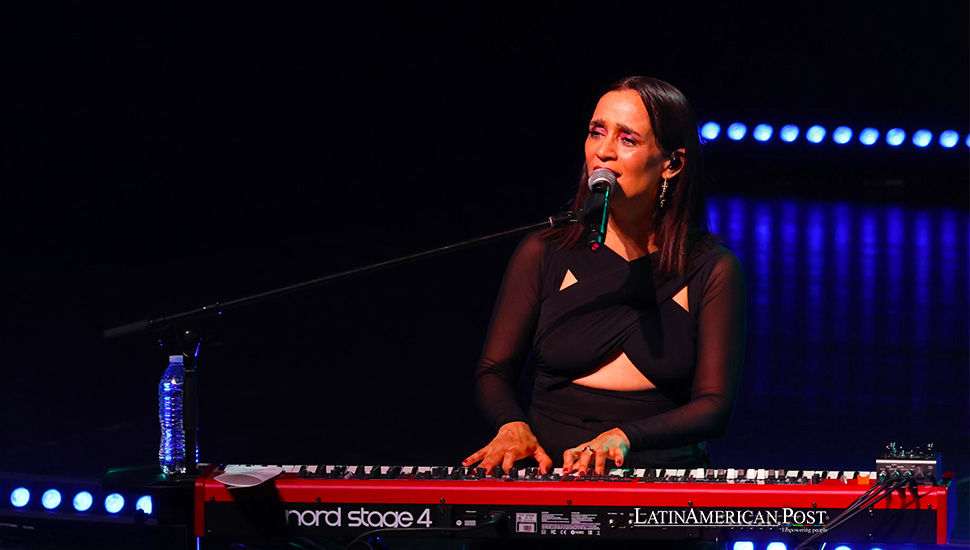
In an empowering celebration of International Women’s Day, Mexican singer-songwriter Julieta Venegas will perform a massive concert in Mexico City’s Zócalo on March 16, highlighting a festival dedicated to equality and women’s rights.
Julieta Venegas’ Empowering Concert in Mexico City
In a vibrant testament to the power of music and culture to champion social causes, Julieta Venegas, an iconic Mexican singer-songwriter, is set to perform a landmark concert in the heart of Mexico City. Scheduled for March 16, this event forms a central part of the “Tiempo de Mujeres” (Time of Women) festival, orchestrated by the city government to commemorate International Women’s Day and promote gender equality across all spheres of society.
The announcement by Mexico City’s head of government, Martí Batres Guadarrama, comes at a time when Latin America is witnessing a surge in movements advocating for women’s rights and equality. Venegas’ concert in the Zócalo, the city’s sprawling main square, is more than just a musical performance; it is a statement of solidarity and empowerment for women across Mexico and beyond.
Artistic and Cultural Celebration for Gender Equality
The “Tiempo de Mujeres” festival will feature an array of artistic and cultural events, culminating in a massive ballet class led by Elisa Carrillo, a renowned dancer with the Staatsballett Berlin, on March 17. These events underscore the festival’s commitment to leveraging the arts as a vehicle for social change, celebrating the contributions of women in culture while advocating for their rights and equality.
Significantly, the festival has been designed to respect and accommodate the annual women’s march on March 8, a pivotal date for global feminist movements. The government’s explicit support for these demonstrations underscores a growing recognition of the importance of women’s voices and activism in shaping a more equitable society.
Ingrid Gómez Saracíbar, head of the Secretariat of Women, and Claudia Curiel de Icaza, leading the Secretariat of Culture, have curated a program that spans the entire first half of March, barring the 8th. Their efforts highlight the city’s dedication to not only celebrating women’s artistic achievements but also addressing the urgent need for systemic change to combat gender-based violence and discrimination.
The festival’s extensive lineup includes over 150 activities across 28 venues, from museums and theaters to cultural centers and public spaces. With 90% of these events being free, the initiative ensures broad accessibility, inviting people from all walks of life to engage with and reflect on the themes of women’s rights and empowerment.
A Continental Wave of Advocacy
This celebration in Mexico City emulates a more significant trend across Latin America, where countries increasingly use cultural platforms to amplify discussions on gender equality and women’s rights. Nations like Argentina, Chile, and Brazil have seen a rise in similar festivals and events, each contributing to a continental wave of advocacy and activism to dismantle patriarchal structures and foster a more inclusive society.
Venegas’ upcoming performance in the Zócalo is not just a concert; it’s a rallying cry for equality, a celebration of female resilience, and a reminder of the transformative power of art. As Latin America continues to grapple with deep-seated issues of gender inequality and violence, initiatives like the “Tiempo de Mujeres” festival offer a beacon of hope and a model for how cultural expression can be harnessed to drive social change.
Also read: Preserving the Voice of the Ancients: The Zapotec Language’s Woman Guardian in Mexico
In uniting the voices of artists, activists, and communities, Mexico City is setting a precedent for the region, demonstrating the critical role that culture and music can play in advancing the dialogue on women’s rights. As the sounds of Julieta Venegas’ music fill the Zócalo, they will resonate far beyond, echoing across Latin America as a symbol of a movement that continues to grow, challenge, and inspire.