Venezuela Gang Strike Shows Crime Now Crosses Every Border Line

The killing of Tren de Aragua leader Niño Guerrero in Venezuela marks more than a battlefield headline. It exposes a Latin American security crisis that has outgrown borders, courts, prisons, politics, and the old habit of pretending crime stays local.
A Gang Boss Falls, a Region Shudders
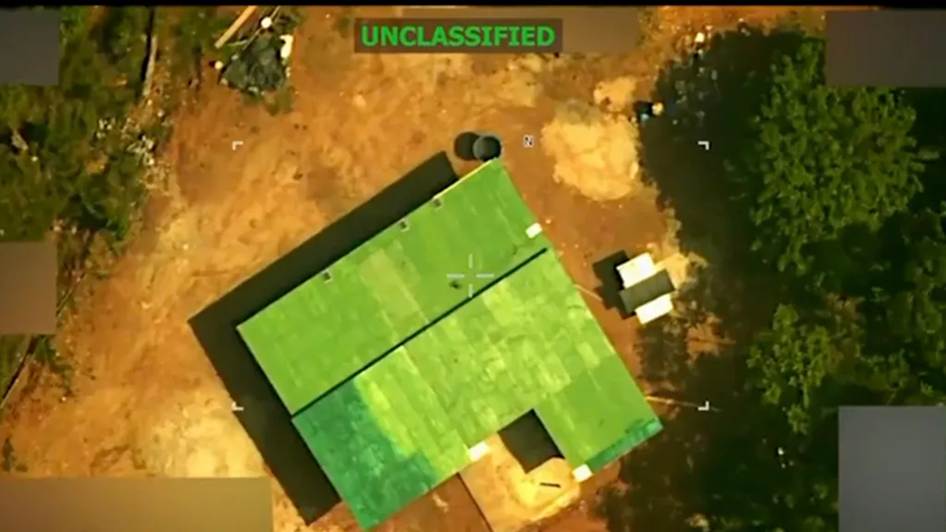
The blast that killed Héctor Rusthenford Guerrero Flores, better known as Niño Guerrero, was presented by Washington as a clean force in a dirty war. A green building, a nearby shed, debris thrown upward, and then the announcement from President Donald Trump that U.S. Southern Command had carried out a “swift and lethal” strike against the longtime leader of Tren de Aragua.
Venezuelan authorities said they were involved too, describing the attack in Bolívar state as a combined operation against organized crime. That detail matters. For years, Latin America has talked about transnational crime as if the phrase belonged in think tank reports, far from the buses, border crossings, mining towns, and migrant trails where people actually meet it. Now the region is watching a Venezuelan gang leader killed by U.S. military power on Venezuelan soil, reportedly with Caracas’s approval.
That is not just policing. It is a new security grammar.
Tren de Aragua began as a prison gang and became one of Latin America’s most feared criminal brands. Under Guerrero, it expanded into Colombia, Ecuador, Peru, and Chile, moving from extortion of migrants into sex trafficking, kidnapping, contract killing, illegal mining, border crossings, and drug corridors. It did not need a state, but it learned how to use the weaknesses of states. It fed on the Venezuelan collapse that began in 2014, when economic ruin, mass migration, and institutional decay created both recruits and victims.
The gang followed people on the move. That is the cruelest part. Venezuelan migrants fleeing hunger, repression, or joblessness did not only carry backpacks and phone numbers of relatives abroad. Many also crossed routes where criminals knew exactly how to tax desperation. Tren de Aragua understood the migrant trail as a business map.
The Prison That Became a State
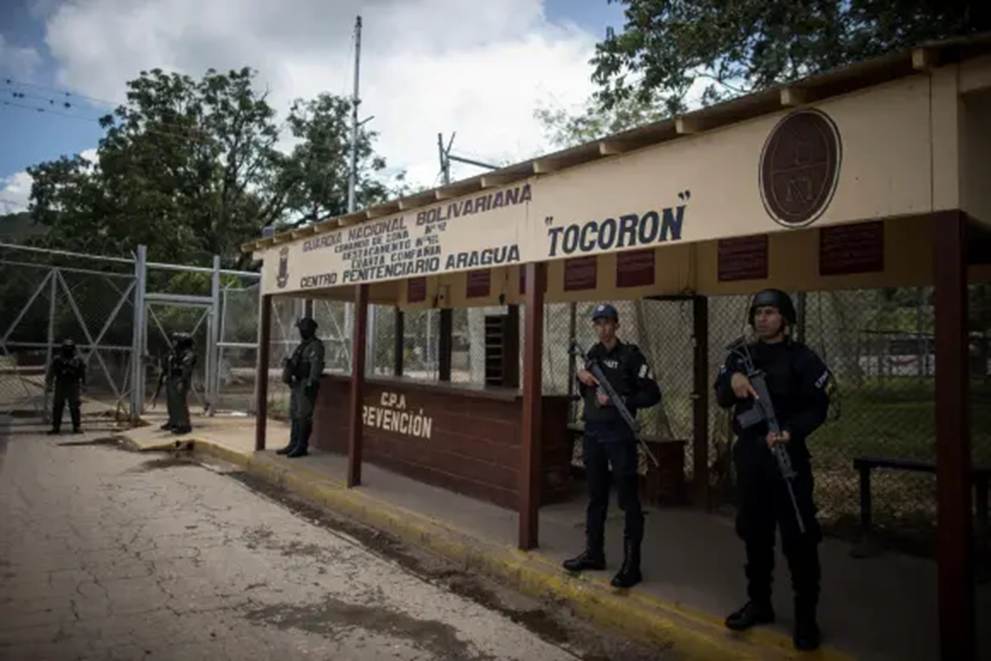
Every Latin American country should study Tocorón Prison with shame, not curiosity. Guerrero turned that Venezuelan prison into a leisure complex with a zoo, restaurants, a nightclub, a betting shop, and a swimming pool. That was not folklore. It was sovereignty lost room by room. A state facility became a criminal headquarters with better services than many poor neighborhoods outside its walls.
When Nicolás Maduro, then still president, sent 11,000 soldiers to retake Tocorón in September 2023, Guerrero escaped again. The image was almost too perfect: the state arriving late, loudly, with thousands of troops, and the boss already gone. Latin Americans know this scene. The raid after the empire has moved. The press conference will be held after the bribes have cleared. The uniform performance after years of quiet permission.
This is why Guerrero’s death cannot be treated as the end of anything. Killing a leader may disrupt a network, frighten lieutenants, and satisfy public anger. It does not erase the market. It does not rebuild courts. It does not make prisons governable. It does not protect a migrant woman being extorted at a border crossing tonight. Criminal organizations are now modular. They franchise, ally, rename, subcontract, and migrate. In Ecuador, Tren de Aragua reportedly built ties with groups linked to Mexico’s Sinaloa cartel. In Colombia, it has been alleged that members worked with actors connected to the ELN. The exact shape shifts, but the method is familiar: local muscle, foreign contacts, shared routes, common profits.
Latin America has lived through the illusion of the kingpin strategy before. Pablo Escobar died, and cocaine did not. Mexican capos fell, and fentanyl networks adapted. Brazilian prison gangs expanded from cellblocks into ports and neighborhoods. The lesson is not that leaders do not matter. They do. But they matter less than the conditions that allow their replacements to inherit routes, weapons, officials, and cash.
Here is the uncomfortable truth. Organized crime internationalized faster than governments cooperated. Criminal groups learned regional integration from below, through ports, highways, encrypted phones, informal finance, and migrant corridors. States, meanwhile, remained jealous, bureaucratic, underfunded, and politically theatrical. A gang can move money across three countries in the time it takes prosecutors to request a certified document.
Cooperation Cannot Mean Blank Checks.
The Trump administration has argued that groups like Tren de Aragua are not just criminal organizations but enemies engaged in irregular warfare, and it designated the gang a foreign terrorist organization. That framing gives Washington political and legal room to use military tools. It also raises a danger Latin America knows too well: when security language expands, rights often shrink first for the poor, the foreign, the brown, and the accused.
The airstrike comes amid a broader U.S. campaign against boats Washington says are ferrying drugs, including vessels it claims are tied to Tren de Aragua. More than 200 people have reportedly been killed since September. Yet the military has not publicly provided evidence that the targeted boats were carrying drugs or smugglers. Legal experts have questioned whether such strikes violate international law by killing civilians without due process. The White House has told Congress that the United States is in a formal armed conflict with drug cartels and that drug-running crews are combatants.
Latin America should not be naïve. Tren de Aragua is not a neighborhood nuisance. It is a violent transnational machine. But neither should the region accept a future where Washington decides from the sky who is a combatant and who gets no trial. Cooperation cannot mean subcontracting sovereignty to the strongest country in the hemisphere. Nor can sovereignty be the excuse corrupt governments use to shelter criminal economies until they become unmanageable.
What the region needs is harder, less cinematic, and more durable. Shared intelligence that can be audited. Joint financial investigations. Border task forces with civilian oversight. Prison reform that prevents inmates from running cities by phone. Protection for migrants who report extortion. Regional databases on trafficking, kidnapping, and missing people. Extradition rules that move faster without becoming political weapons. Anti-corruption units that can follow money into police commands, mining concessions, ports, and campaign finance.
Venezuela’s case also forces a broader reckoning. Washington has moved from seizing Maduro to working with Delcy Rodríguez, lifting sanctions and seeking collaboration on oil extraction. That turn may be pragmatic. It is also a reminder that security, migration, energy, and legitimacy are now tangled together. In Latin America, crime does not float above politics. It enters through the cracks that politics leaves open.
Guerrero is dead, according to both governments. Tren de Aragua is wounded. But the business of fear remains regional, adaptive, and hungry. If Latin America responds only with missiles, raids, and speeches, another boss will inherit the routes. If it responds with cooperation, law, evidence, and institutional courage, the region may finally stop treating organized crime as a series of national emergencies and start confronting it as the shared continental crisis it has become.
Also Read: Colombia Becomes the World’s Refugee Haven as Latin America Shifts