Central America Diplomacy Test Exposes Costa Rica’s Ortega Blind Spot
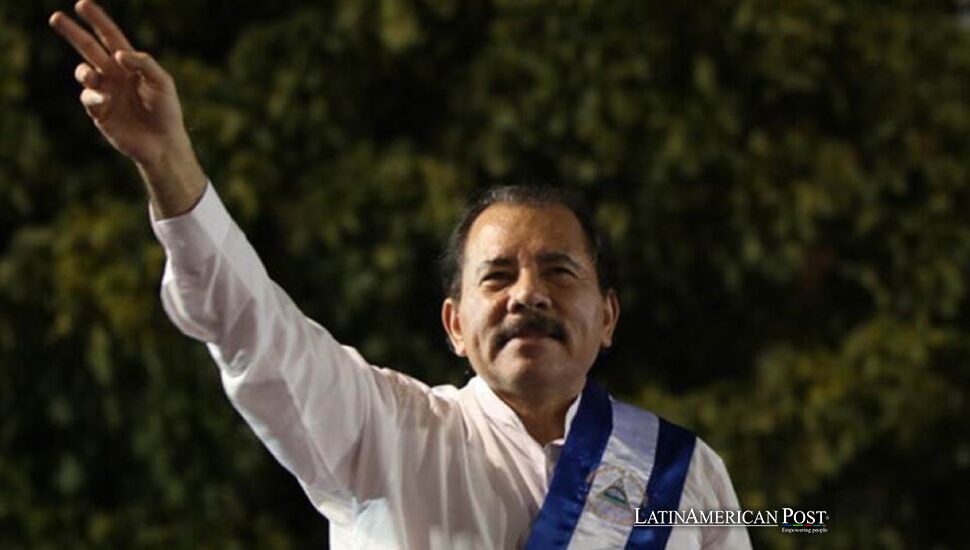
Costa Rica President Laura Fernández’s remarks on Nicaragua ignited a regional debate over democracy, migration, and diplomatic pragmatism, revealing how Daniel Ortega’s repression continues to shape Central America’s future, from border politics to exile communities and Latin America’s fragile human rights consensus.
A Neighbor’s Words, an Exile’s Wound
In Costa Rica, a sentence about Nicaragua can travel faster than a campaign slogan. It crosses kitchen tables in San José, buses packed with workers before sunrise, WhatsApp groups where exiles watch every word from power because words, in their lives, have often preceded arrests, exile papers, or silence.
President Laura Fernández opened that wound with comments about Daniel Ortega’s government that critics say softened the image of a regime accused of years of repression. The backlash came quickly, and not only from partisan opponents. Former presidents, rights groups, Nicaraguan exiles, and migrant advocates heard in her remarks something larger than a diplomatic slip. They heard recognition, or at least tolerance, for a neighboring government that many of them call a dictatorship.
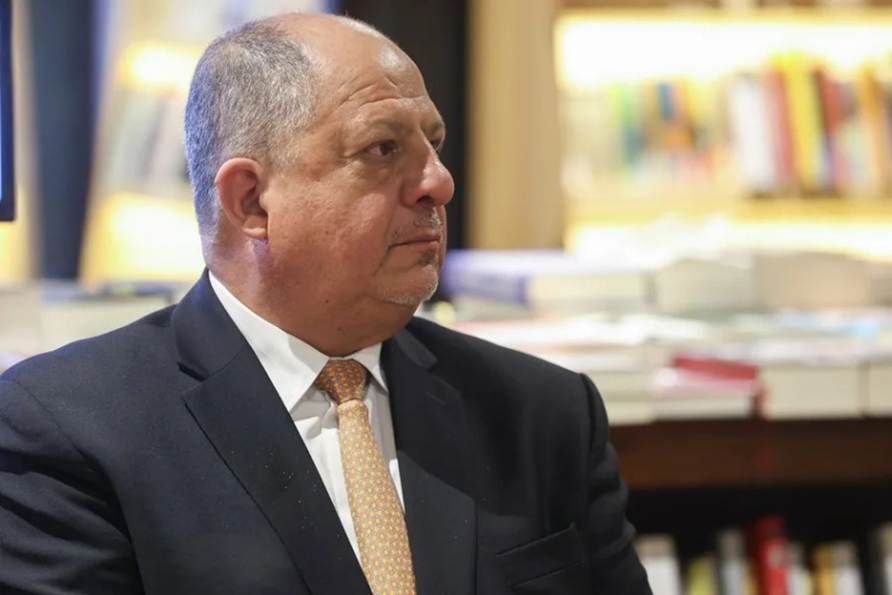
Former Costa Rican President Luis Guillermo Solís described Fernández’s statements as “unfortunate,” “very serious,” and even “unheard of,” telling EFE that the human rights abuses in Nicaragua have been certified by independent organizations, including the United Nations. He said the president seemed to ignore or minimize the political conditions in Nicaragua, “passing over the dictatorship” without acknowledging what he called its despotic, violent, and rights-violating nature.
Solís went further. Speaking to EFE, he said Ortega’s government has persecuted, killed, and tortured opponents, committed disappearances, and stripped dissidents of citizenship. For a country like Costa Rica, which has built part of its national identity on civilian democracy, peace diplomacy, and the absence of an army, the accusation cut deep. This was not simply about Nicaragua. It was about what Costa Rica thinks it is.
The Arithmetic of Repression
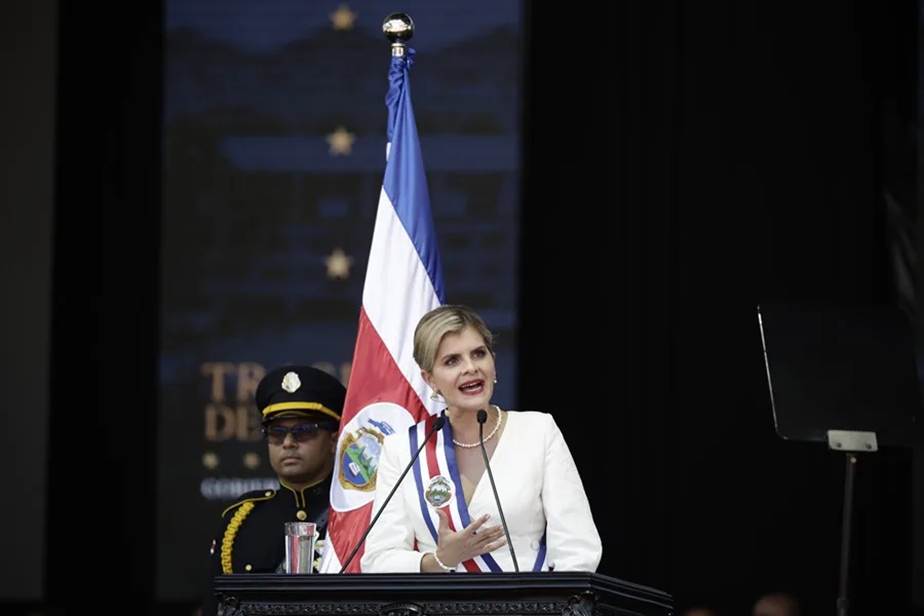
The argument over Fernández’s comments rests on a body of facts that is difficult to wave away. Nicaragua has been locked in a political and social crisis since April 2018, when protests against the Ortega government were met with force. The crisis deepened after the 2021 elections, when Ortega, now 80 and in power since 2007, secured another term with major rivals jailed, later expelled from the country, and stripped of nationality and political rights after accusations of coup plotting and treason.
The numbers cited by former Costa Rican President Laura Chinchilla tell the story in a brutal shorthand: more than 350 killings, more than 120 cases of forced disappearance, more than 1,000 detained opponents, more than 5,000 civil society organizations closed, dozens of universities shut down, and documented transnational repression, including the killing in Costa Rican territory of retired army officer and Ortega critic Roberto Samcam.
Numbers like these can numb a reader. But each one marks the demolition of a civic ecosystem. Closing 5,000 organizations not only silences human rights groups. It weakens women’s networks, church charities, cultural associations, local watchdogs, student spaces, community clinics, and the little institutions that make a society more than a government and a police force. Dozens of universities closed mean a generation learns that thought itself can be evicted.
Salvador Marenco, a lawyer with the Nicaragua Nunca Más Collective, told EFE that since Ortega returned to power in 2007, Nicaraguans have lived under constant human rights restrictions, and that elections since 2008, both municipal and presidential, have been fraudulent. He said abuses that were already systematic escalated after 2018 into crimes against humanity, producing one of the largest exiles or displacements in the country’s history.
That exile lives in Costa Rica. It works there, studies there, cries there, sends money home from there, and fears that even there, across the border, Ortega’s reach can still find names and addresses. This is why Fernández’s language became so explosive. In Central America, diplomacy is not an abstract performance between flags. It is personal. It has rent receipts, asylum appointments, remittances, missing relatives, and funerals.
Pragmatism With a Price Tag
There is, of course, a governing argument for caution. Costa Rica shares geographic, migration, trade, and security concerns with Nicaragua. No president in San José can pretend Managua does not exist. Borders must be managed. Families cross. Businesses move goods. Migrants need papers. Police need coordination. Diplomacy sometimes requires talking to governments one would not invite to a family dinner.
But the controversy shows the danger of confusing contact with validation. The Jesuit Migrant Service in Costa Rica said Fernández’s remarks contradicted the widely documented international consensus and the reality of thousands of people. It said minimizing Nicaragua’s crisis is not neutrality or pragmatism, but a deep contradiction of Costa Rican principles.
That distinction may define Central America’s next political decade. The region is being squeezed by three forces at once: authoritarian consolidation in Nicaragua, security populism spreading from country to country, and migration systems strained by poverty, violence, and political exile. Leaders increasingly sell order as the highest value. Citizens, tired of fear, often accept the bargain. But Nicaragua shows what happens when order becomes a permanent argument against rights.
For Latin America, the Costa Rican dispute is a regional mirror. Governments on the left and right have often handled authoritarian neighbors according to convenience rather than principle. Ideological friends are forgiven. Trade partners are indulged. Security allies are excused. The result is a human rights language that becomes loud in some capitals and timid in others.
Costa Rica’s importance lies precisely in its reputation. It has long punched above its size because it represented a civic idea: democracy without an army, stability without caudillo worship, diplomacy without militarized swagger. If that voice softens toward Ortega and Rosario Murillo, even in the name of pragmatism, the effect goes beyond San José. It narrows the moral space available to exiles. It tells other governments that fatigue can replace clarity.
Fernández’s supporters may argue that regional politics requires realism. They are not entirely wrong. But realism that cannot name repression becomes something else. It becomes accommodation. And accommodation, in Central America, has a long history of asking victims to wait while presidents preserve calm.
The future of Central America will not be decided only by elections, trade deals, or summits. It will be shaped by whether democracies defend people fleeing authoritarianism or merely manage them as a border issue. Nicaragua is testing that choice. Costa Rica, whether it wanted the role or not, is now responding publicly.
Also Read: Colombia Becomes the World’s Refugee Haven as Latin America Shifts